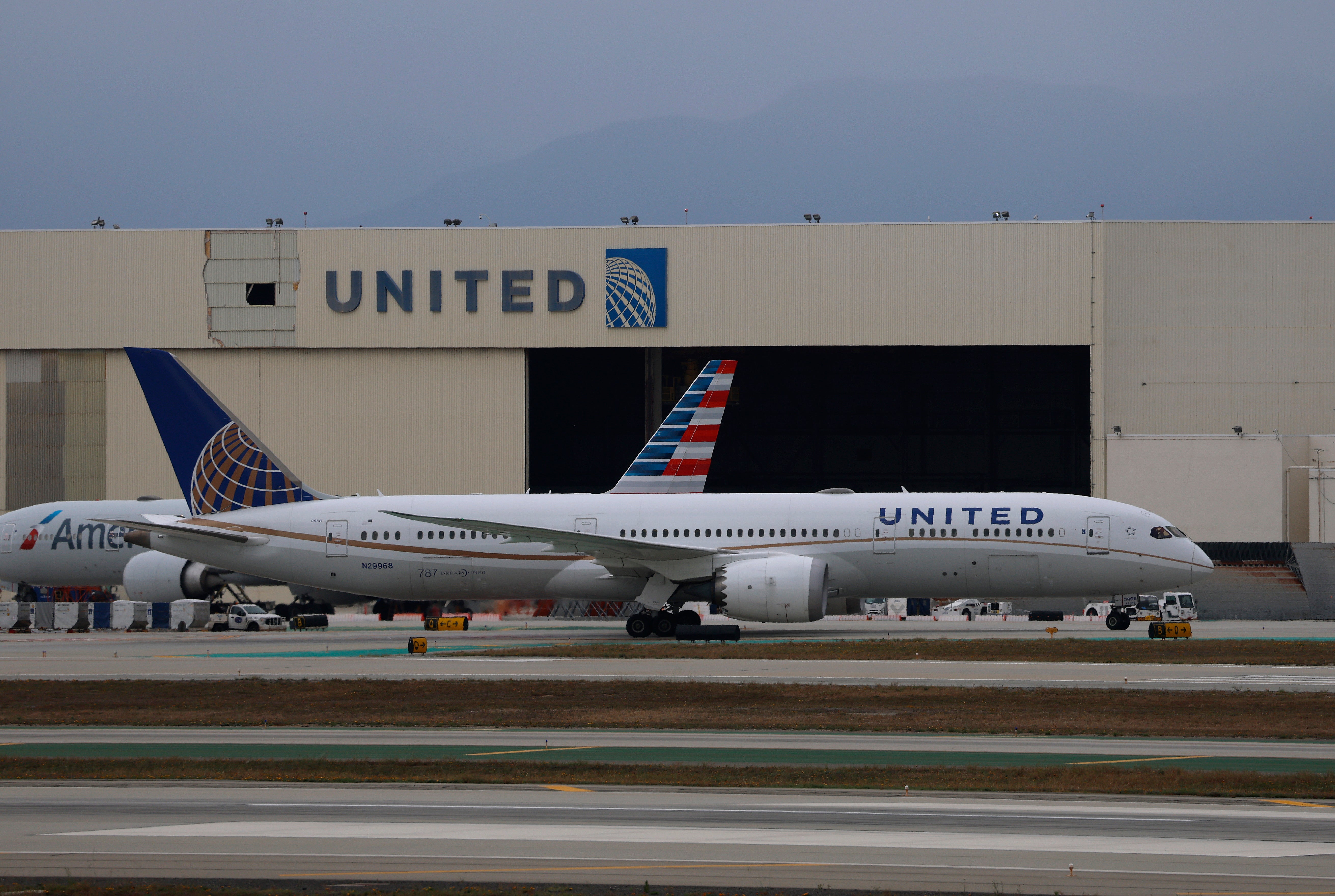
Airlines are responding to a sharp jet fuel spike tied to Middle East conflict with widespread flight cuts, baggage-fee increases, fuel surcharges, and lowered profit outlooks. Lufthansa plans to cancel 20,000 flights over six months to save 40,000 metric tonnes of fuel, Turkish Airlines has already cancelled over 3,000 flights, and Spirit Airlines ceased operations after failing to secure a $500 million bailout. The disruption is broad-based across global carriers, with some airlines warning of 1,000+ cancellations, 3.5 percentage point capacity cuts, and ticket-price increases of up to 15% to 20%.
This is less a demand shock than a margin cascade: when jet fuel spikes, airlines do not uniformly pass through cost, they first protect liquidity by cutting marginal capacity, then monetize ancillary fees, and only lastly test fare elasticity. That sequencing creates an uneven P&L outcome — network carriers with stronger pricing power and better hedge books can defend margins longer, while LCCs and leisure-heavy operators are forced to shrink the schedule or raise fees into already softer consumer demand. The second-order effect is that capacity discipline can temporarily support load factors and pricing for the survivors, but the industry’s aggregate revenue may still lag cost inflation for several quarters.
The market is likely underestimating the asymmetry between nominal fuel exposure and hedge duration. Names that are “well hedged” today are really only buying time; the earnings risk shifts into late summer and Q4 as legacy hedges roll off, at which point management teams will have to choose between visible capacity cuts and more explicit pricing actions. That makes guidance risk more important than current quarter EPS — the real catalyst is the next earnings call cycle, where we should see a widening dispersion between carriers with transatlantic premium mix and those reliant on price-sensitive short-haul leisure traffic.
The most interesting contrarian angle is that the stress may be peaking for the wrong stocks: the weakest balance sheets can sometimes outperform on relief rallies if fuel retraces, but fundamentally they are the ones most likely to be forced into capacity discipline or restructuring. Spirit’s failure is a warning that fuel inflation is acting like a solvency test, not just a margin test, and similar pressure could surface in smaller niche operators before it shows up in headline industry averages. In that setup, shorts need to be selective — the better expression is not “short airlines” broadly, but “long disciplined capacity / short exposed low-cost leverage.”
AI-powered research, real-time alerts, and portfolio analytics for institutional investors.
Request DemoOverall Sentiment
strongly negative
Sentiment Score
-0.72
Ticker Sentiment
