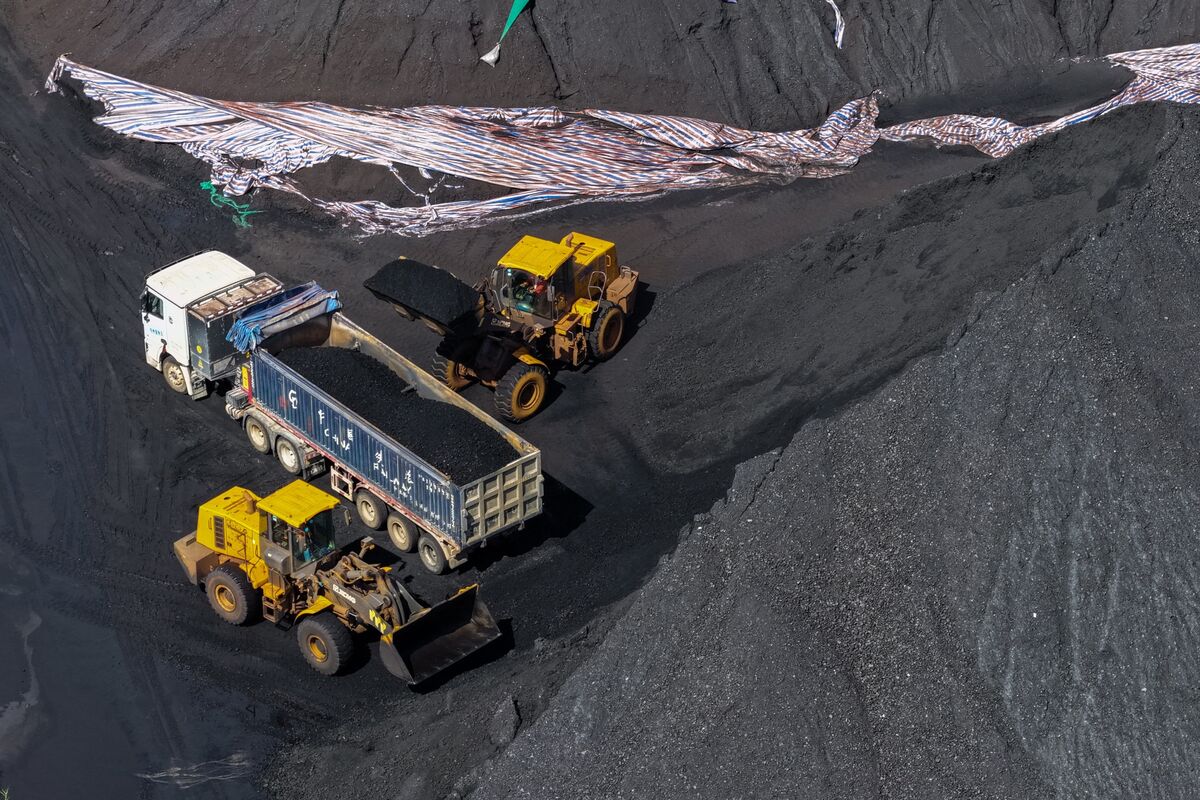
Chinese coking coal futures in Dalian have surged over 15% following government inspections and potential mine closures aimed at curbing excess supply. However, a leading industrial group warns this rally may be fleeting without corresponding policy support for demand, suggesting that supply-side interventions alone might not sustain the price gains.
A recent regulatory crackdown by China's National Energy Administration, involving inspections and potential closures of over-producing coal mines across eight provinces, has triggered a significant market reaction. This supply-side intervention directly fueled a surge of over 15% in Dalian coking coal futures since the news emerged. However, the sustainability of this price rally is in question, as a prominent industrial group warns that the gains will likely be fleeting. The core issue highlighted is the absence of corresponding government policies designed to support or stimulate demand, suggesting that administratively constraining supply alone may be insufficient to establish a new, higher price floor for the commodity.
AI-powered research, real-time alerts, and portfolio analytics for institutional investors.
Request DemoOverall Sentiment
mixed
Sentiment Score
0.15
Ticker Sentiment
