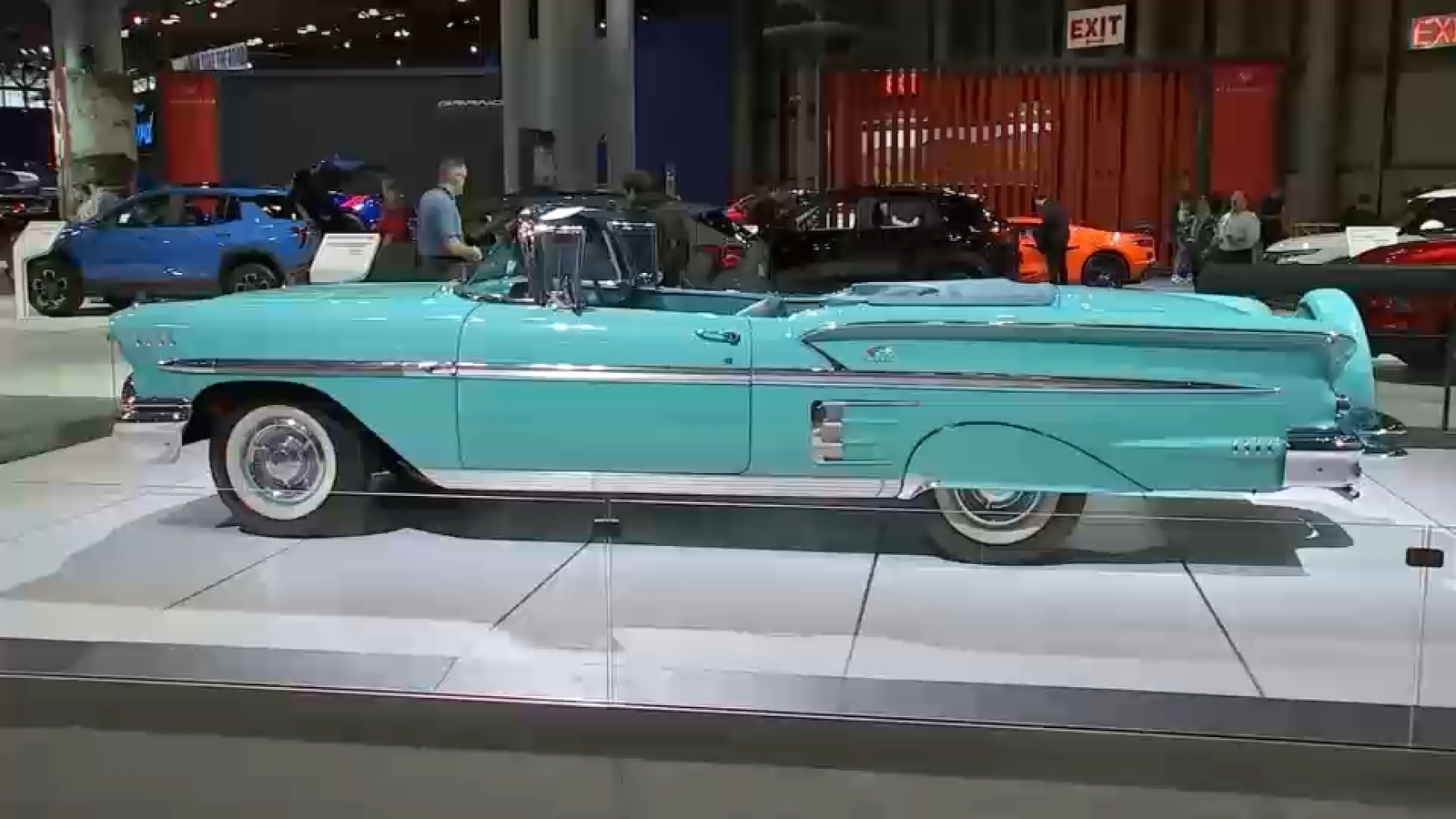
Organizers expect 400,000–500,000 attendees at the 126th New York International Auto Show, running Friday through April 12. The show includes displays from over 30 manufacturers, four indoor and two outdoor test tracks, and organizers estimate roughly 40% of visitors are shopping with intent to purchase—supporting near‑term dealer traffic and consumer interest; ABC7 will air special coverage on April 4 (7:00 p.m.) with a rebroadcast April 5 (4:00 a.m.).
Large, concentrated in-person auto events remain a unique demand-qualification funnel that digital channels struggle to replicate: the marginal buyer converting from a test drive is higher-quality (shorter lead time, higher likelihood to finance through dealer partners) which can translate into measurable order flow within 1–3 months and production scheduling adjustments in 3–9 months. That funnel also produces a predictable supply-side feedback loop — elevated trade‑ins from near-new buyers increase wholesale used-car volumes after delivery peaks, pressuring used prices and aftermarket margin mixes for 2–6 months. Suppliers and software vendors that win OEM attention at these shows can convert visibility into multi-year implementation contracts, but the revenue realization is lumpy and typically manifests 6–18 months later as pilot programs scale.
The biggest second-order beneficiary is the urban charging and last‑mile test-drive ecosystem: concentrated city shows accelerate awareness in demographics that are otherwise slower to convert online, favoring charging network operators and dealers with urban footprints. Conversely, pure-play digital used-car retailers are most exposed to a re‑acceleration of in-person conversion because they compete on price/selection rather than immersive experience — a reallocation of marketing dollars back to experiential channels could widen cost-of-acquisition divergence over the next 2–8 quarters. Macro risks that could reverse these effects are straightforward — a material rise in financing rates or a renewed supply-chain shock delays production conversion timing and compresses the upside window to 6–12 months from show time.
AI-powered research, real-time alerts, and portfolio analytics for institutional investors.
Overall Sentiment
mildly positive
Sentiment Score
0.20
