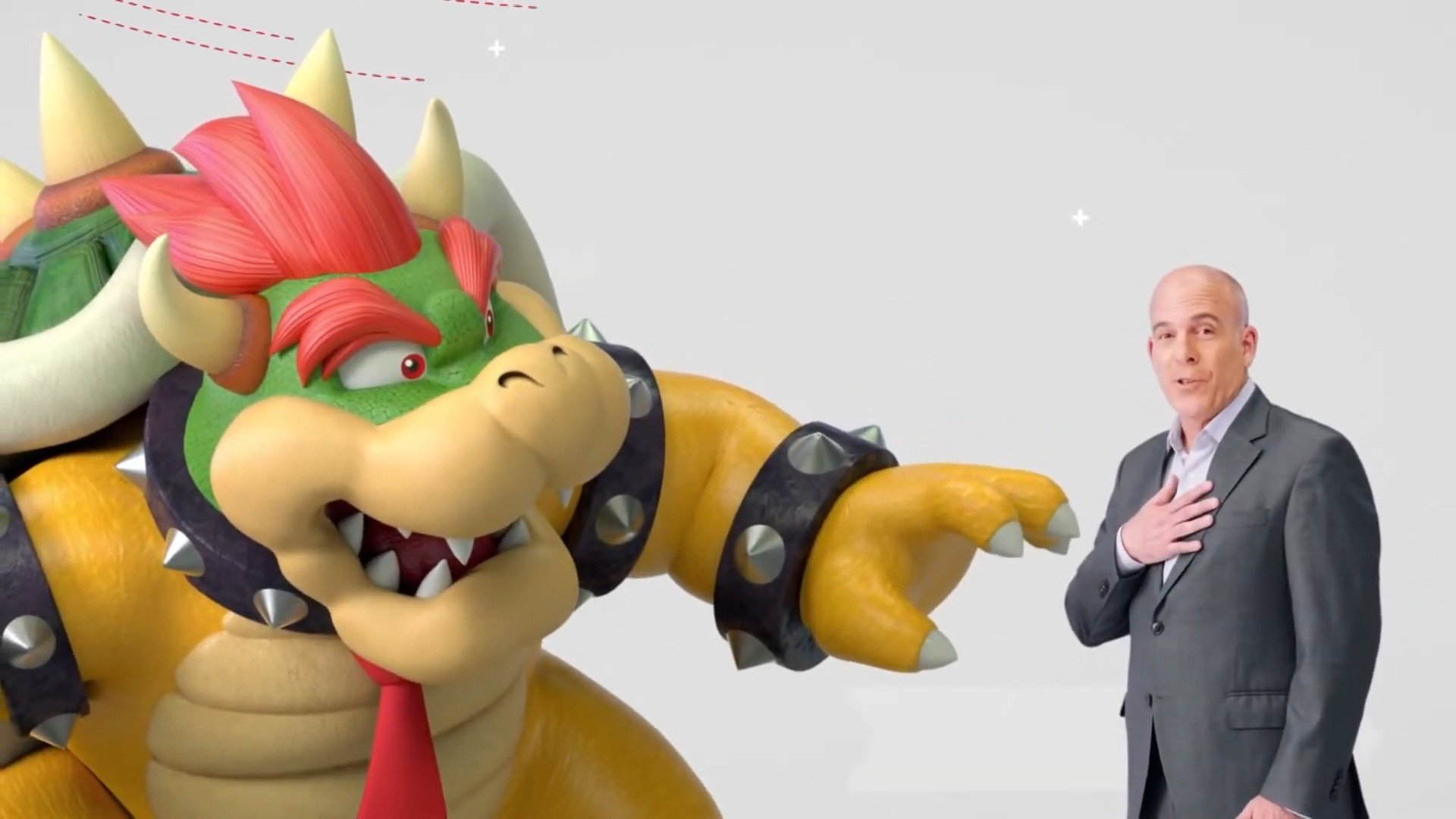
Nintendo of America President and COO Doug Bowser will retire effective December 31, 2025; Devon Pritchard, a 19‑year NoA veteran and current Executive Vice President of Sales, Marketing & Communications, will succeed him on January 1, 2026 and join the NoA Board and become a Nintendo Co., Ltd. Executive Officer. In tandem, Satoru Shibata will take on the role of Chief Executive Officer for the region while retaining other NCL responsibilities, a move that suggests closer Japan-level oversight of U.S. operations; the announcement contains no financial guidance or metrics and is likely to be viewed as an operational/PR leadership change with limited near-term market impact.
Market structure: The NoA leadership change is a low-impact corporate governance event for Nintendo (NTDOY / 7974.T) — winners are advertising/PR agencies and first-party marketing execution; losers are short-term sentiment traders and third-party publishers who rely on opaque NA communications. Competitive dynamics aren’t materially altered because product roadmaps and pricing remain Japan-led, so expect market share and pricing power to be largely stable; any NA-driven uplift will be incremental (mid-single-digit revenue tailwind at best) tied to improved messaging and attach-rate execution.
Risk assessment: Tail risks include a Switch 2 hardware or first‑party release delay, a major PR misstep in the US, or supply chain disruption; low-probability but high-impact (±10–20% equity move) over 3–12 months. Immediate (days) risk: muted; short-term (weeks–months): sentiment swings around any Directs or holiday sales; long-term (quarters–years): dependent on first-party title cadence and Japan–NoA coordination. Hidden dependency: Shibata’s elevated role suggests Tokyo is tightening control, reducing NoA autonomy — second-order risk to regional pricing/consumer initiatives.
Trade implications: Tactical trades should be small and event-driven. If NTDOY/7974.T drops 5–10% on sentiment, accumulate a 1–2% portfolio long with a 12‑month target +15% and 8% stop; ahead of an announced Direct within 4–8 weeks, enter a 3‑month call‑spread (buy ATM, sell +20% OTM) sized 0.5% portfolio if IV <35%. Consider a relative-value pair (long NTDOY 1%, short EA 1%) over 6–12 months to capture IP resilience; unwind if NTDOY underperforms EA by >10% in 90 days.
Contrarian angles: Consensus understates the impact of elevating a sales/marketing POA — Pritchard could materially reduce communication losses and improve attach rates by 50–150bps, translating to 1–3% EBIT upside in 12–24 months if execution follows. Reaction is likely underdone because regional CEO changes are usually discounted; historical parallels (regional exec swaps at global game cos) show equity moves concentrated around product catalysts, so focus on Directs, supply, and FY results for re-rating or disappointment. Unintended consequence: tighter Tokyo oversight could accelerate controversial pricing/monetization strategies, a downside trigger for western consumer sentiment.
AI-powered research, real-time alerts, and portfolio analytics for institutional investors.
Request DemoOverall Sentiment
neutral
Sentiment Score
0.05
Ticker Sentiment
