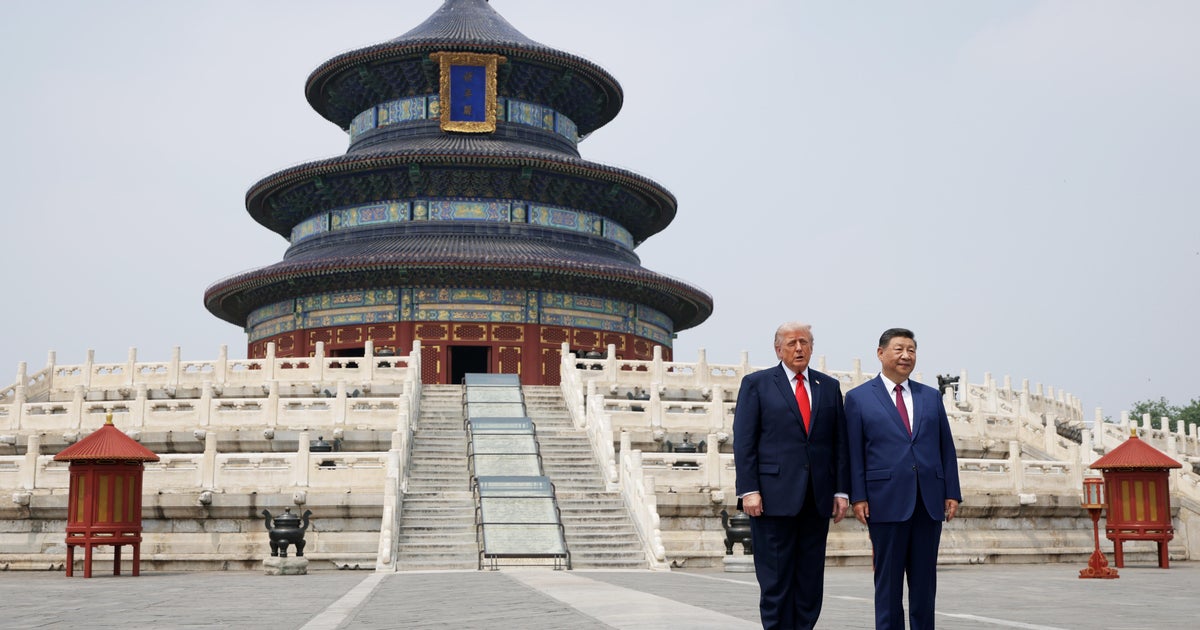
Trump and Xi agreed the Strait of Hormuz "must remain open" as Iran-related shipping disruptions, vessel seizures, and drone attacks intensified, with one ship taken off the UAE coast and another Indian vessel attacked near Oman. Retail sales rose just 0.5% in April, down from 1.6% in March, as higher gas prices tied to the conflict weighed on discretionary spending. The article underscores elevated geopolitical risk to global energy flows, regional security, and consumer demand.
The market is underpricing how quickly this can morph from a regional security event into a global pricing/toll problem. Even without a formal closure, persistent “coordination” requirements at Hormuz create a de facto shadow toll that raises effective freight and insurance costs, which should show up first in spot LNG and clean tanker rates, then in Asian refinery margins, and only later in headline crude. The key second-order effect is that China’s incentive is now not just diplomatic—it is economic self-preservation, which increases the odds of behind-the-scenes pressure on Tehran but also normalizes a two-tier shipping regime that benefits state-aligned carriers and penalizes the rest. The immediate losers are downstream energy users and import-dependent industrials, but the more interesting damage is to balance sheets with inventory exposure and just-in-time supply chains. If vessel seizures continue for even 2-4 weeks, shipping insurers will reprice the Gulf corridor, and that usually lags the first attack by only a handful of sessions. Defense names may get a bid, but the bigger trade is in logistics: any company reliant on Middle East transshipment, rerouting, or high bunker costs faces margin compression before revenues visibly slow. The retail data argues this shock arrives when the consumer is already brittle. Higher fuel is a tax on discretionary spend, so the next leg is not just lower unit demand but mix deterioration toward essentials and online channels; that is bearish for mall-heavy retail and furniture/home improvement, while e-commerce and discount formats can still defend share. The contrarian point: if the Strait remains functionally open for Chinese and select commercial flows, the market may overestimate a physical supply shock and underestimate a persistent political-risk premium, which can keep oil elevated even without a true embargo.
AI-powered research, real-time alerts, and portfolio analytics for institutional investors.
Overall Sentiment
moderately negative
Sentiment Score
-0.35
