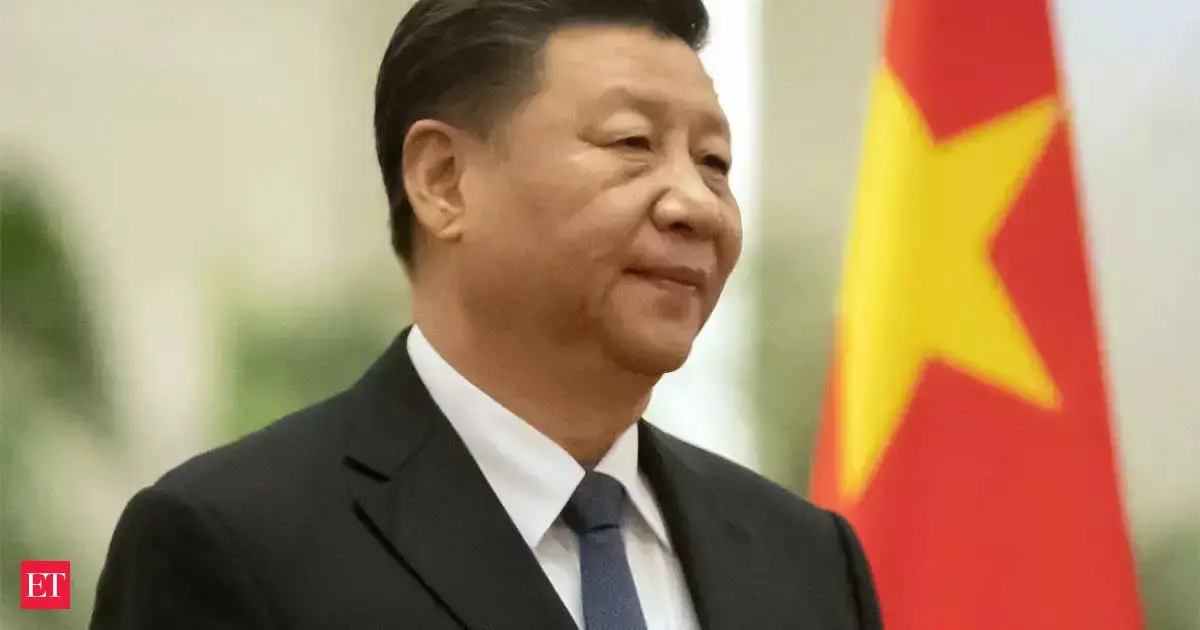
China has effectively restricted fertiliser and fuel exports amid the Iran war, cutting supplies from the world's second-largest fertiliser exporter and a major jet-fuel supplier and disrupting supply to countries including Bangladesh, the Philippines and Australia. Expect upward pressure on fertiliser and jet-fuel prices and heightened regional supply-chain risk for agriculture and energy; analysts expect China to prioritize domestic stockpiles and offer only selective, transactional support, prompting buyers to seek substitutes (e.g., Russia) and raising near-term sectoral volatility.
We view China's hoarding/targeted export posture as a supply shock that redistributes market power rather than permanently removing supply. In the near term (days–8 weeks) expect sharply elevated spot premia for fertiliser and select middle-distillates as buyers scramble and seaborne logistics re-route; this will compress availabilities for intensive crops (oil palm, rice paddies) and mechanically lift agricultural commodity prices and input-driven inflation in import-dependent EMs. Over 3–9 months, secondary effects emerge: higher fertiliser costs accelerate input substitution, precision-agriculture capex and merchant ammonia/nitrogen project FIDs, while also opening latitude for Russia, India and Middle Eastern suppliers to capture share — but ramp rates are constrained by logistics and feedstock (natural gas) availability, so margins for incumbent producers can stay elevated for multiple quarters.
Macro/credit channels matter: food and energy-led CPI pulses in SEA and South Asia increase FX and sovereign stress risk for smaller importers, raising default/counterparty concerns for banks with concentrated exposure; this is a 3–12 month idiosyncratic sovereign/corporate credit watch. Politically, Beijing’s selective resumption remains the highest-probability path to de-escalate bilateral pressure (transactional aid to key partners), meaning market shocks will be episodic and politicised rather than smoothly corrected — trade flows will therefore be lumpy and create recurring volatility windows tied to diplomatic milestones.
Key reversals: a quick diplomatic deal (2–6 weeks) or emergency rerouting from large alternative suppliers (Russia/India ramp within 4–12 weeks) would compress premia and punish stretched longs; alternatively, prolonged stock draws (3–9 months) amplify profits for capacity owners and refiners. Monitor 1) spot fertiliser spreads vs 12-month futures, 2) ammonia/urea plant utilisation in Gulf/India, and 3) short-term shipping/tanker rates as high-signal indicators for duration and when to scale exposure.
AI-powered research, real-time alerts, and portfolio analytics for institutional investors.
Request DemoOverall Sentiment
mildly negative
Sentiment Score
-0.30
