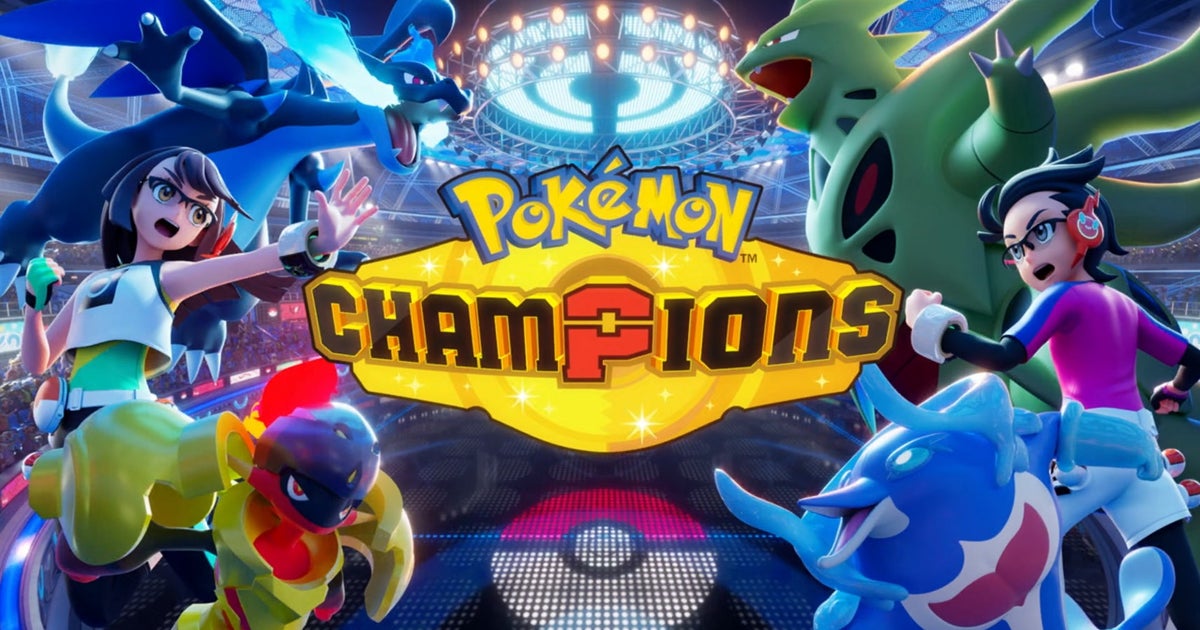
Pokémon Champions launched with 186 Pokémon at release and is locked to 30FPS on Nintendo Switch and Switch 2, drawing mixed community reaction over performance (slow/clunky menus) and design choices. The game enforces the VGC doubles format (4-of-6) with no option for 6v6 even in private matches, and several established items (e.g., Rocky Helmet, Heavy Duty Boots) are absent. Some players welcome a lower-power, slow-rollout approach, but overall player sentiment is split and near-term commercial or market impact is likely minimal.
The most immediate economic effect is on user monetization and retention curves: core competitive players are a small cohort but disproportionately high-LTV via event spending, cosmetics and viewership-driven ad revenue. If even 10-15% of that cohort delays or avoids migration to the new official platform, platform ARPDAU could undershoot expectations by mid-single-digit percentages for 2-4 quarters, amplifying downside to near-term revenue and advertiser interest.
From a hardware and franchise-management angle, release-quality signals matter for upgrade cycles and third-party developer confidence. Perceived under-optimization on console-native titles can shave 1-3% off near-term attach rates for a nascent hardware cycle and lengthen dev QA timelines across the IP, increasing capex and pushing monetization-heavy content later into the roadmap.
On the competitive ecosystem front, rule-design choices that diverge from established grassroots norms create a bifurcated meta: official events vs community-run ladders. That bifurcation tends to shift viewership and ad dollars toward platforms and titles that embrace the incumbent competitive audience until the official product demonstrates clear superiority — a reversal that is achievable within 3-9 months if a credible patch/dlc cadence is announced.
Contrarian read: market overreactions often price in multi-quarter churn as permanent. Historically, large gaming IPs recover via iterative balance patches and curated esports support; a disciplined content roadmap and targeted retention offers can restore pre-launch monetization within two to three content cycles (roughly 6-12 months).
AI-powered research, real-time alerts, and portfolio analytics for institutional investors.
Request DemoOverall Sentiment
mixed
Sentiment Score
0.00
