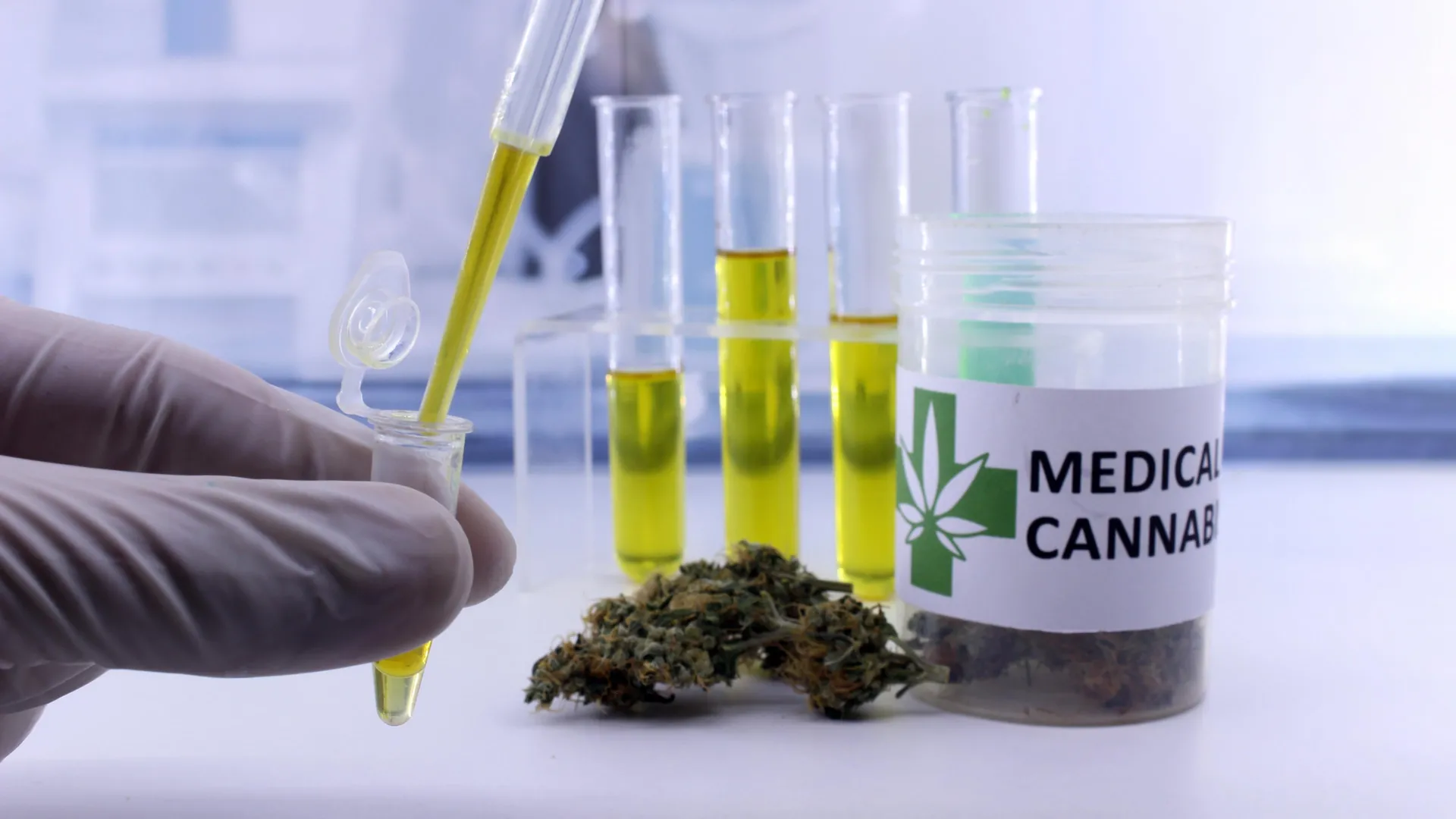
A UCLA-led JAMA review of more than 2,500 studies concludes that robust clinical evidence for medical cannabis is narrowly confined to a handful of FDA‑approved, pharmaceutical‑grade cannabinoid products for indications such as HIV/AIDS appetite loss, chemotherapy‑induced nausea and certain pediatric seizure disorders, while common uses like chronic pain, anxiety and insomnia lack strong support. The analysis also flags material safety concerns — higher rates of psychotic symptoms and generalized anxiety with high‑potency adolescent use (12.4% vs 7.1% and 19.1% vs 11.6%, respectively), about 29% of medical users meeting cannabis use disorder criteria, and possible increased cardiovascular risks with daily or high‑potency consumption — and urges clinicians to screen for psychiatric and cardiac risks and consider drug interactions. Given these evidence gaps and study limitations, the authors call for more rigorous trials, a clearer risk–benefit clinical framework and suggest that investors and policymakers should distinguish the limited, regulatory‑backed pharmaceutical opportunities from the broader consumer cannabis/CBD market, where clinical support and safety data remain weak.
A UCLA-led JAMA review of more than 2,500 studies (January 2010–September 2025) finds robust clinical evidence for medical cannabis is narrowly confined to a small set of FDA‑approved, pharmaceutical‑grade cannabinoid products for HIV/AIDS-related appetite loss, chemotherapy‑induced nausea and severe pediatric seizure disorders such as Dravet and Lennox‑Gastaut syndromes. The review highlights a clear gap between public usage—historically about 27% of adults in the U.S. and Canada reported using cannabis/CBD for pain, anxiety or sleep in a 2018 survey—and the evidence base, where common indications like chronic pain, anxiety and insomnia lack strong support.
The analysis flags material safety signals: adolescents using high‑potency cannabis showed higher psychotic symptoms (12.4% vs 7.1%) and generalized anxiety (19.1% vs 11.6%), about 29% of medical users met criteria for cannabis use disorder, and daily or high‑potency use is associated with elevated cardiovascular risks including coronary disease, heart attack and stroke. Authors recommend clinician screening for cardiovascular and psychotic disorders and caution on drug interactions.
Study limitations (not a systematic review, no formal bias assessment, observational confounding) mean conclusions are provisional; the report implies differentiated investment implications—potential upside for regulated, pharma‑grade cannabinoid developers but heightened risk for broad consumer cannabis/CBD plays while rigorous RCT evidence is lacking.
AI-powered research, real-time alerts, and portfolio analytics for institutional investors.
Request DemoOverall Sentiment
moderately negative
Sentiment Score
-0.45
