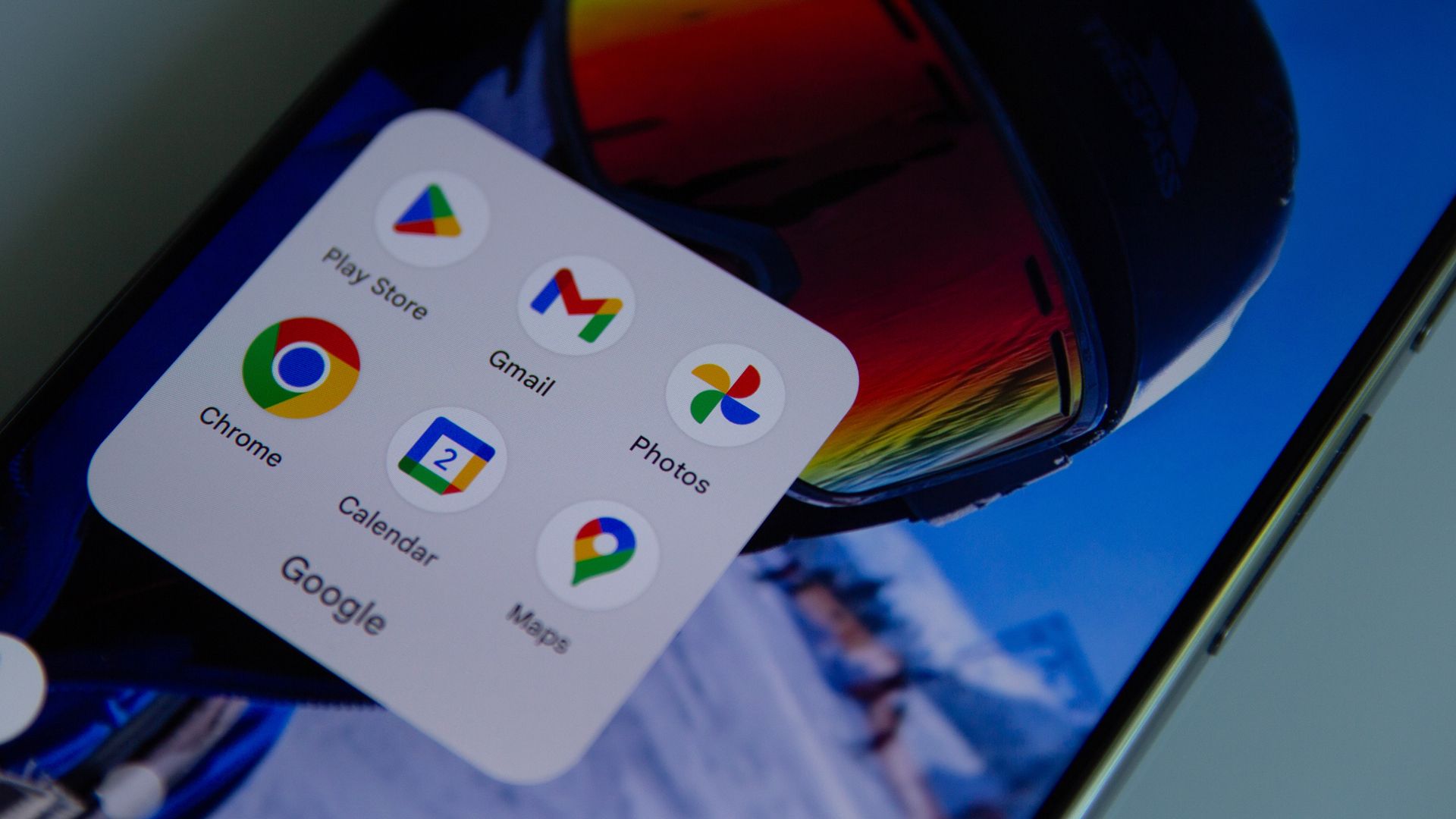
Google Photos for Android contains hidden code indicating a forthcoming Backup schedule feature and a redesigned backup settings UI aligned with Android 16. The feature would let users control when photos and videos are synced (e.g., scheduled backups or blackout times) rather than relying solely on always-on or Wi‑Fi-only options; it is not yet active and no launch date is given. This is an incremental product improvement that could modestly enhance user control and retention but is unlikely to have material financial impact on Alphabet in the near term.
Market structure: This small UX change favors integrated platform owners — Alphabet (GOOGL) and Google One — because tighter control over backups reduces friction and can nudge paid storage conversion and lifecycle engagement. Standalone consumer-storage vendors (DBX, BOX) face incremental competitive pressure; a 0.5–2.0% uplift in Photos engagement could plausibly translate to a 0.1–0.5% boost to Alphabet’s services revenue over 6–12 months, while ceding marginal share from niche players.
Risk assessment: Tail risks include EU/UK privacy enforcement or a major data breach that could impose fines >$1B or force feature rollbacks; probability low (<10%) but impact high. Near-term (days–weeks) effects are negligible; short-term (1–3 months) depends on Android 16 and Google I/O cadence; long-term (6–24 months) hinges on Google One conversion and regulatory landscape. Hidden dependencies: carrier data caps, OEM default settings, and Google One pricing elasticity.
Trade implications: Favor modest long exposure to GOOGL and underweight/short DBX/BOX for 3–9 months; express directional risk with low-cost option call spreads around product announcements. Rotate capital from pure-consumer storage names into cloud/infra leaders (MSFT, AMZN) that gain from increased backend demand. Entry window: initiate within 30–90 days around Android 16 rollout; re-evaluate 3 months post-launch using subscriber and telemetry KPIs.
Contrarian angles: Market will likely underprice the cumulative effect of many small UX wins — historically Apple’s iCloud integrations lifted services ARPU over several quarters. Conversely, the consensus may overlook that giving users more granular control could reduce passive data ingestion and ad signal volume (secondary downside to ads targeting). Monitor Google One net additions and Photos backup-on metrics for the next two quarterly reporting cycles to detect directionality.
AI-powered research, real-time alerts, and portfolio analytics for institutional investors.
Request DemoOverall Sentiment
neutral
Sentiment Score
0.05
