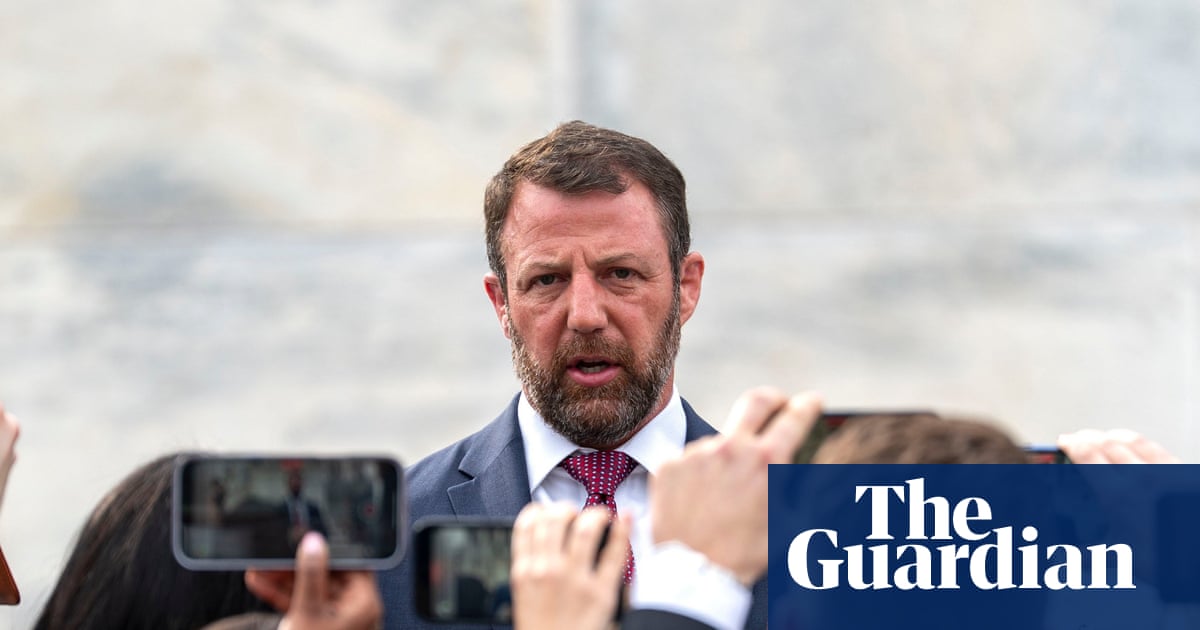
The Senate Homeland Security Committee will hold Markwayne Mullin's confirmation hearing Wednesday with a committee vote scheduled for Thursday; Republicans appear positioned to confirm him quickly given Senate control. His nomination is entangled with a partial DHS shutdown driven by Democratic demands for immigration-enforcement guardrails (including bans on mask-wearing during operations, random stops, and a formal use-of-force policy), which has left TSA, Coast Guard and FEMA staff furloughed or working without pay and produced longer airport lines. The standoff raises operational risk for travel and homeland-security services but is unlikely to move broader markets absent a larger budget or policy resolution.
The confirmation dynamics are a near-term governance event with outsized operational externalities: a rapid appointment that preserves the administration’s enforcement posture materially raises the probability that DHS-related contracting and detention revenue flows remain intact over the next 12–18 months. Contractors tied to immigration enforcement and detention capacity will see steadier backlog assumptions, while transportation operators—airlines, airport services, and ground handlers—face continued throughput and staffing volatility that can depress revenues by low-single-digit percentages per quarter during sustained disruption. A partial funding impasse creates two distinct timeframes for market effects. In the first 2–6 weeks, expect operational noise (TSA delays, furlough-driven inefficiencies) to show up in airline on-time metrics and ancillary revenues; this is a high-gamma window where headline risk (votes, protests) can move small-cap travel names 10–15% intraday. Over 3–12 months, the bigger driver is budget allocation: if Republicans push a full reopen without guardrails, fiscal eyes turn to larger DHS programmatic spends (surveillance, detention, border tech) that meaningfully re-rate defense/IT contractors over a multi-quarter procurement cycle. Second-order winners include private detention operators and surveillance/intel systems vendors who can monetize policy continuity; losers include regional airlines and airport concession operators dependent on smooth peak-season throughput. The key catalyzing triggers to watch are (1) committee vote timing and margin, (2) whether Republicans accept piecemeal funding for non-immigration DHS components within 1–3 weeks, and (3) any litigation or protest escalation that forces operational stoppages—each pivoting risk from short-duration volatility to multi-quarter earnings shifts.
AI-powered research, real-time alerts, and portfolio analytics for institutional investors.
Request DemoOverall Sentiment
neutral
Sentiment Score
0.00
