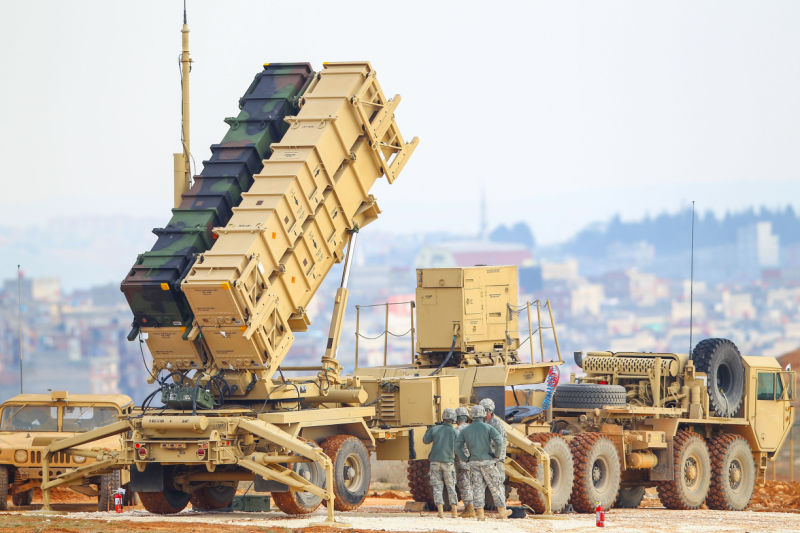
Dozens were injured after a Patriot missile detonated over a residential area in Bahrain on March 9, an event Reuters and independent analysis attribute to a U.S.-operated battery rather than an Iranian drone. The same night Sitra oil refinery suffered strikes and declared force majeure, disrupting oil and LNG flows and highlighting vulnerabilities in Gulf energy infrastructure. The incident raises reputational and efficacy questions for U.S.-made interceptors and RTX exposure, implying potential near-term volatility in defense contractors and regional energy assets and complicating future basing/defense agreements.
Defense procurement is now being stress-tested not just for hardware performance but for collateral risk management; expensive interceptors perform differently under urban, saturation, and asymmetric-threat regimes, incentivizing buyers to reweight towards shorter-range, cheaper interceptors, electronic warfare, and directed-energy R&D over time. That rotation favors firms with modular C-UAS suites, sea-based sensors, and rapid software upgrades, and penalizes incumbents whose revenue mixes are skewed toward high-cost kinetic rounds unless they can prove mitigations quickly.
Market-impact timing breaks into three horizons: immediate (days–weeks) where shipping insurance and regional operational tempo drive volatility in oil and tanker rates; medium (3–9 months) where audits, contract delays, or Congressional inquiries can pressure share prices and procurement schedules; and long (1–3 years) when force-structure changes — more DEW spend, more unmanned mine-countermeasure buys, and hardened basing — reshape backlogs and margins. A realistic reversal would come from a technical fix or a transparent after-action report within 60–120 days; absent that, reputational and litigation risks can compound and extend underperformance for a couple of quarters.
Second-order winners include modular C-UAS and mine-countermeasure suppliers, naval retrofit yards, and insurers writing Gulf risk; losers are firms with concentrated revenue in the contested kinetic intercept chain and those lacking diversified orders. The consensus is leaning negative on the prime implicated, but it underestimates the buffer provided by diversified aerospace aftermarket cashflows — making size and instrument choice critical if positioning for downside.
AI-powered research, real-time alerts, and portfolio analytics for institutional investors.
Request DemoOverall Sentiment
moderately negative
Sentiment Score
-0.45
Ticker Sentiment
