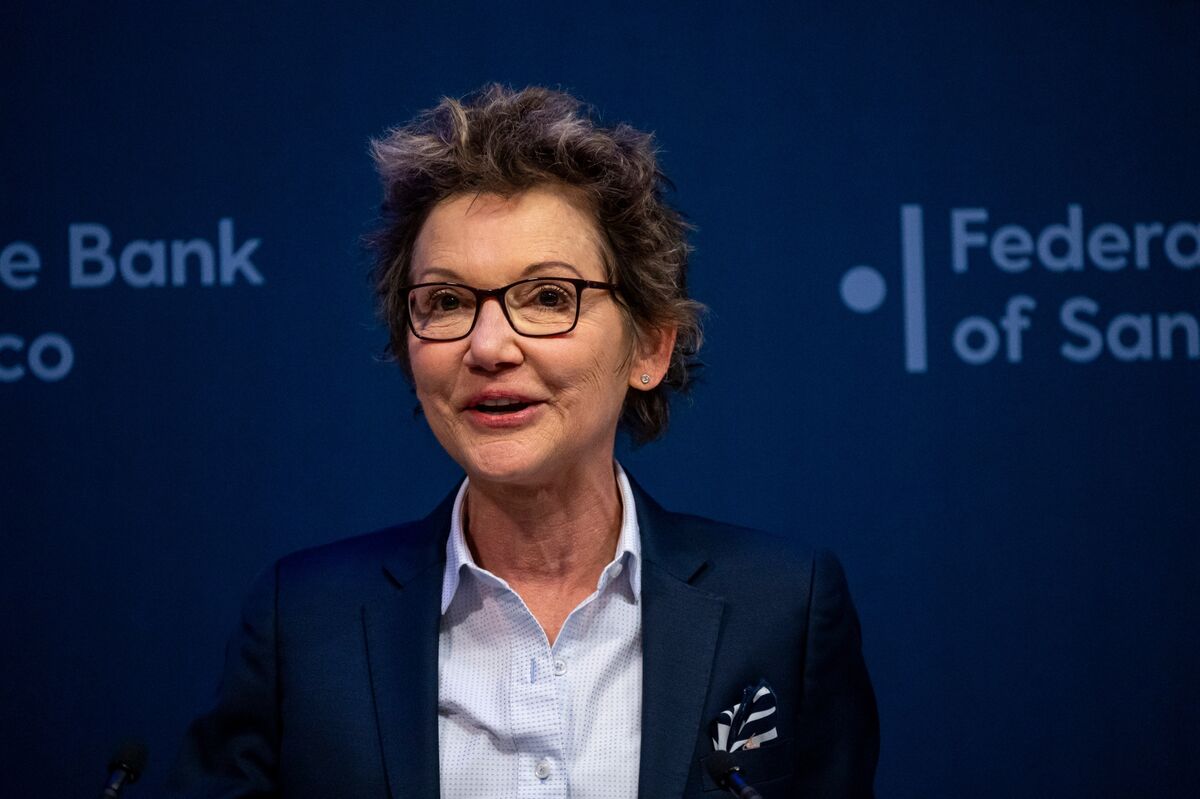
Federal Reserve Bank of San Francisco President Mary Daly stated that more interest rate cuts will likely be necessary over time, as current rates remain modestly restrictive. She emphasized that further easing would help balance risks to both employment and inflation, with the timing of such cuts dependent on incoming data, particularly regarding the labor market.
Federal Reserve Bank of San Francisco President Mary Daly has signaled a dovish tilt in monetary policy, stating that further interest rate cuts will likely be necessary over time. She characterizes the current policy rate as "modestly restrictive" even after the recent quarter-point reduction, suggesting the easing cycle is not yet complete. The rationale for additional cuts is to preemptively balance the dual risks to employment and inflation, with a specific focus on watching for "increasing weakness in the labor market." This data-dependent stance underscores that the timing of future policy moves is not predetermined and will be a direct function of incoming economic reports. The high market impact score associated with these comments indicates that investors are highly sensitive to guidance on the future path of rates, and Daly's remarks reinforce the view that the Federal Reserve's bias is toward further accommodation, contingent on economic data deterioration.
AI-powered research, real-time alerts, and portfolio analytics for institutional investors.
Request DemoOverall Sentiment
moderately positive
Sentiment Score
0.40
