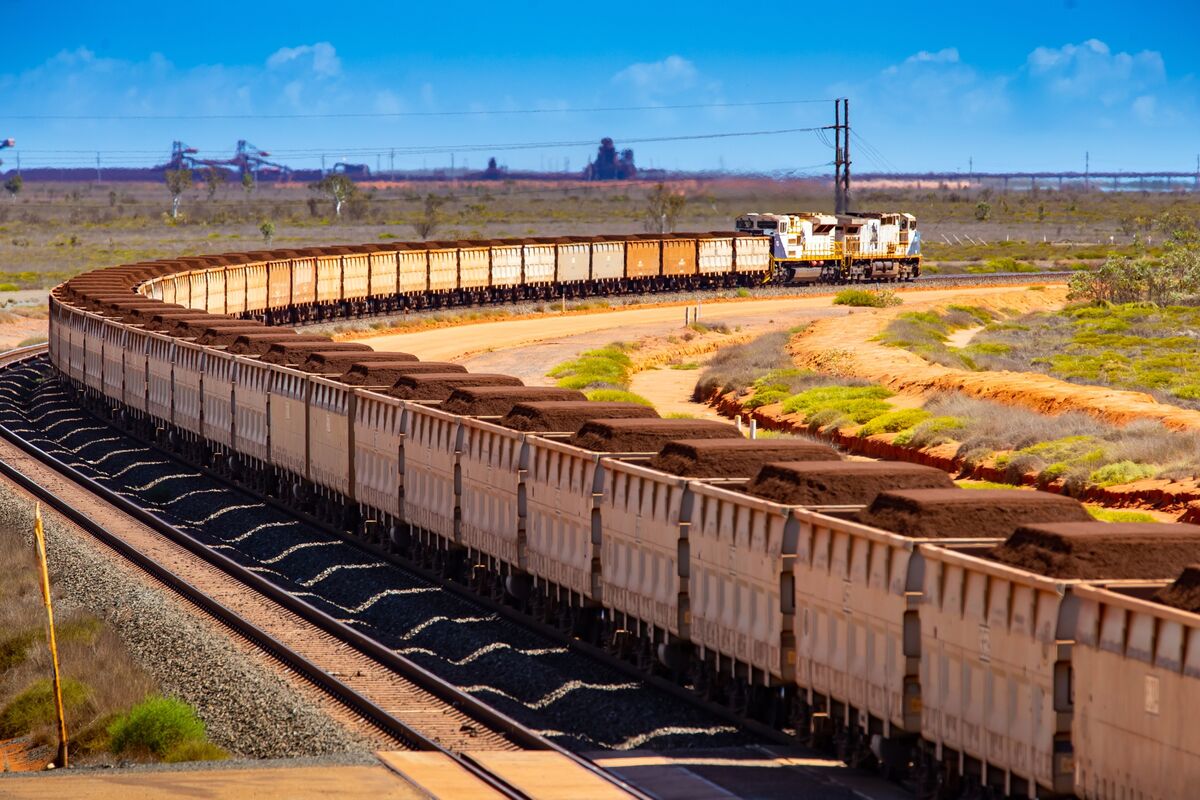
Australian iron ore exports from Port Hedland, the nation's largest bulk-export terminal, reached record levels in June with 54.6 million tons shipped, contributing to a new half-year record of 288 million tons. This significant increase in seaborne supply emerges amidst growing concerns regarding the outlook for Chinese demand, potentially signaling an oversupply in the global iron ore market.
Iron ore shipments from Australia's Port Hedland reached a record 54.6 million tons in June, contributing to a record first-half volume of 288 million tons. This surge in exports from the world's largest bulk-export terminal indicates a significant and growing level of seaborne supply. The timing of this supply increase is critical, as it coincides with mounting concerns about the demand outlook from China, the primary consumer of iron ore. This dynamic points to a potential oversupply in the global market, creating a bearish fundamental backdrop for the commodity's price. The data from the Pilbara Ports Authority confirms a robust supply-side response from Australia, which could exacerbate price weakness if Chinese industrial and construction activity falters.
AI-powered research, real-time alerts, and portfolio analytics for institutional investors.
Request DemoOverall Sentiment
mixed
Sentiment Score
0.00
