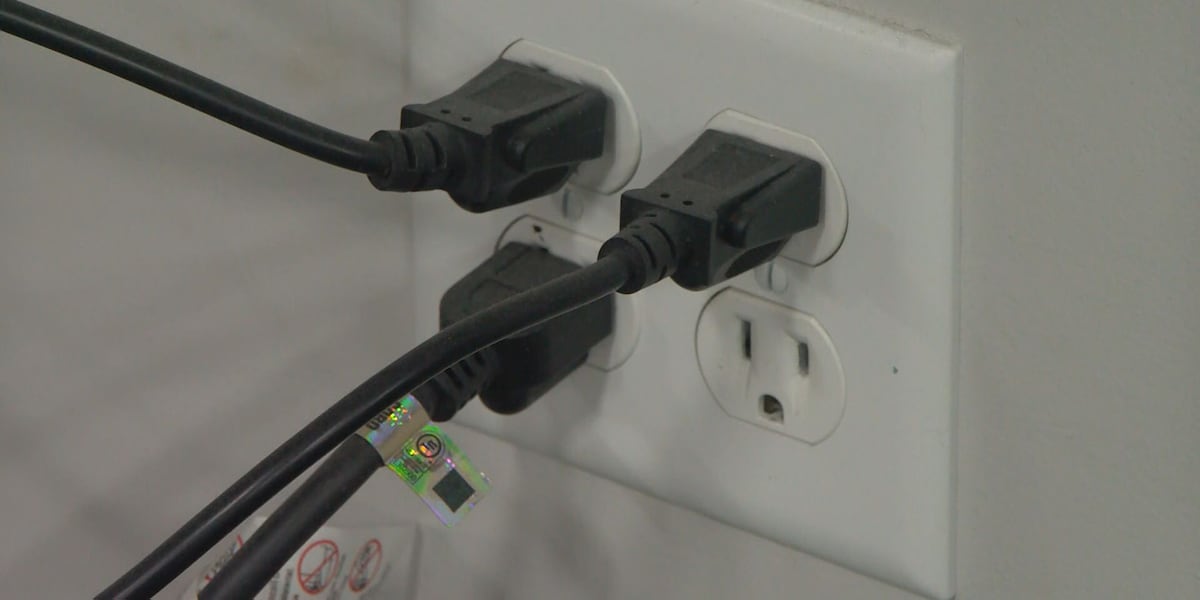
Senate Bill 3104 would exempt plug-in solar panels from utility interconnection requirements and bar landlords/HOAs from banning them, while requiring UL (or equivalent) certification for compliance. Proponents say plug-and-play units could modestly offset household energy costs and similar measures have been introduced in 34 states; opponents including the Quincy Fire Chief raise safety concerns about backfeeding, extension-cord use, and first-responder risk. Germany already has over 1.2 million registered plug-in units, providing an international precedent for adoption.
Regulatory carve-outs for low-voltage, plug-and-play solar accelerate a non-linear revenue stream for independent certifiers: every state that adopts a certification mandate creates recurring testing work plus follow-on advisory and product-retrofit demand. If just 5–10 states mirror Illinois over 12–24 months, certification volumes could rise by a low‑single-digit percentage of current global lab throughput but monetize at higher per‑unit advisory rates versus routine product testing.
Second-order winners are safety‑hardware and anti‑islanding suppliers because rapid consumer adoption will force building owners and municipalities to retrofit simple, low‑cost protections (transfer switches, GFCI upgrades, labeled breakers) to avoid backfeed liabilities. This creates a steady aftermarket for electrical OEMs and distributors rather than a one‑time solar installation spike, shifting margin capture from installers to component and safety-equipment manufacturers.
Key tail risks are headline fire incidents or a high‑profile responder injury that prompt municipalities to tighten rules or impose retroactive standards — that can pause adoption for months and erase nascent certification arbitrage. Conversely, a cluster of state adoptions in the next 6–12 months would quicken product standardization, concentrate market share with certified suppliers, and compress time to revenue for labs that already have frameworks and test rigs in place.
From a demand perspective, multi-family housing represents an under‑served, high‑frequency replacement market: even a 1% penetration in US apartments converts to a meaningful multi‑hundred‑million-dollar TAM over 3–5 years for hardware + certification + safety retrofits, creating a favorable environment for firms that control compliance touchpoints rather than commodity panel producers.
AI-powered research, real-time alerts, and portfolio analytics for institutional investors.
Request DemoOverall Sentiment
mixed
Sentiment Score
0.00
Ticker Sentiment
