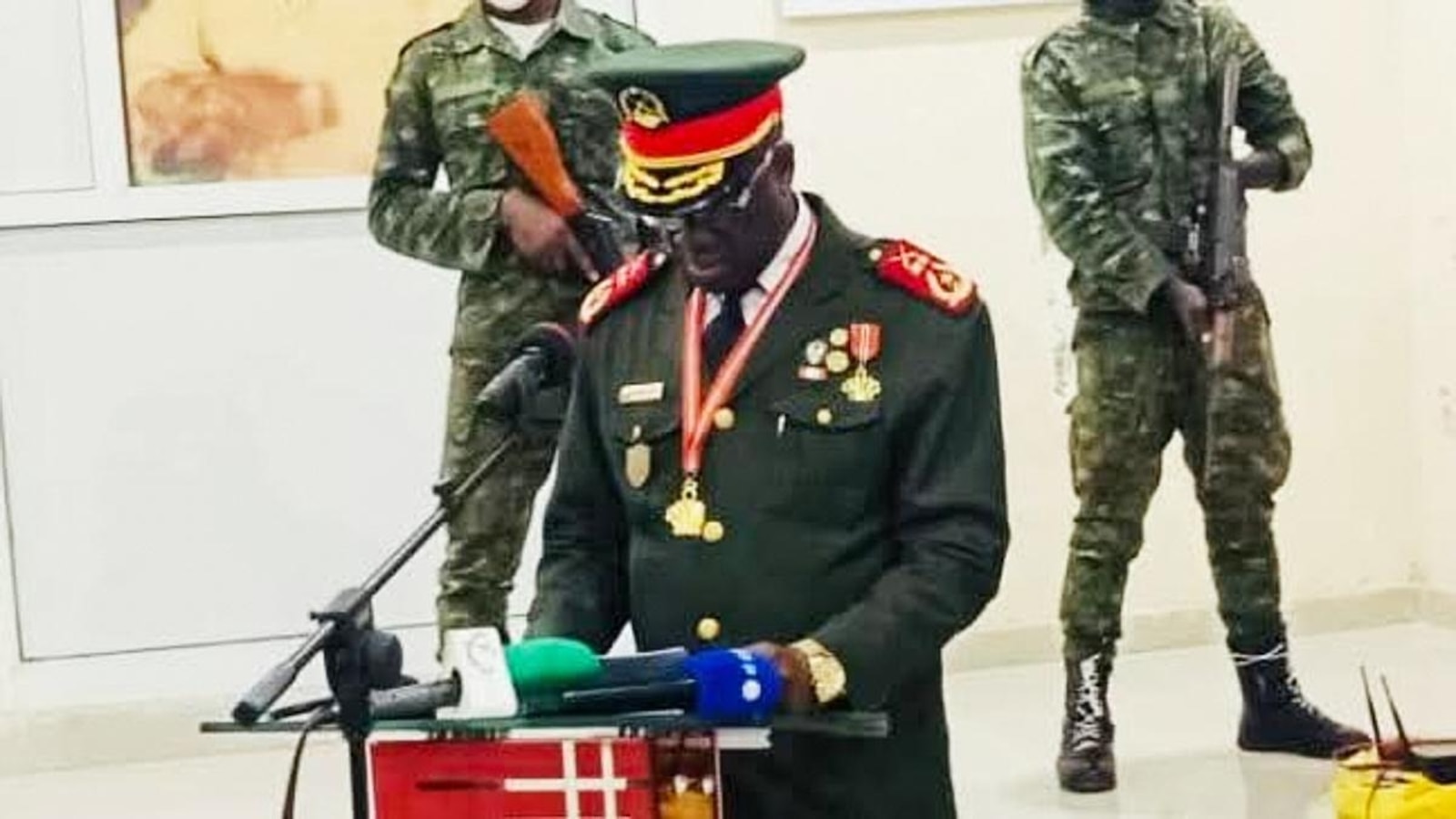
Guinea-Bissau’s military seized power days after a disputed presidential vote and appointed finance minister Ilídio Vieira Té, a close ally of deposed President Umaro Sissoco Embaló, as prime minister. Embaló flew to neighbouring Senegal as ECOWAS suspended Guinea-Bissau from its decision-making bodies and warned of possible sanctions while a regional mediation team prepares to travel to Bissau. Checkpoints and a curfew were lifted, markets and banks reopened, but the takeover highlights ongoing political fragility in the 2.2 million‑person state — long plagued by coups and drug‑trafficking routes — increasing near‑term political and operational risk for investors with exposure to the country or the region.
Market structure: The coup in Guinea-Bissau is a localized shock that raises short-term risk premia across frontier West Africa and broader EM risk assets. Expect immediate outflows from frontier equity/debt (directional move: spreads +30–200bps for the smallest issuers; ETF flows negative), while traditional safe havens (USD, UST, gold) benefit. Pricing power: commodity exporters with limited diversification see larger spread moves vs. larger EMs where impact is diluted.
Risk assessment: Tail risks include ECOWAS sanctions or limited military intervention (low-probability, high-impact) that could freeze banking corridors or banking counterparties — this could cause >200–500bps sovereign spread spikes for affected issuers and illiquidity in local FX within 1–4 weeks. Immediate (days): localized liquidity runs; short-term (1–3 months): broader risk-off pushing EM equity ETFs down 3–8%; long-term (3–12 months): persistent governance risk raises country risk premium if junta endures.
Trade implications: Implement targeted, size-controlled hedges rather than large directional bets. Use liquid instruments (EEM puts, EMB hedges) to protect EM beta; favor short exposure to frontier indices and small increases to gold/UST duration for 1–3 month risk-off. Banks with African retail exposure are vulnerable to sentiment; avoid adding exposure until ECOWAS stance clears (7–21 days).
Contrarian angles: Consensus may overstate contagion — Guinea-Bissau is tiny (pop ~2.2m) and the peg (XOF) limits immediate FX collapse; a rapid ECOWAS-mediated restoration is plausible within 2–4 weeks, creating a buying opportunity. If frontier ETFs sell off >7–10% on headline risk, selectively accumulate Senegal/Cape Verde assets or regional infrastructure names that trade on re-opening expectations.
AI-powered research, real-time alerts, and portfolio analytics for institutional investors.
Request DemoOverall Sentiment
moderately negative
Sentiment Score
-0.52
