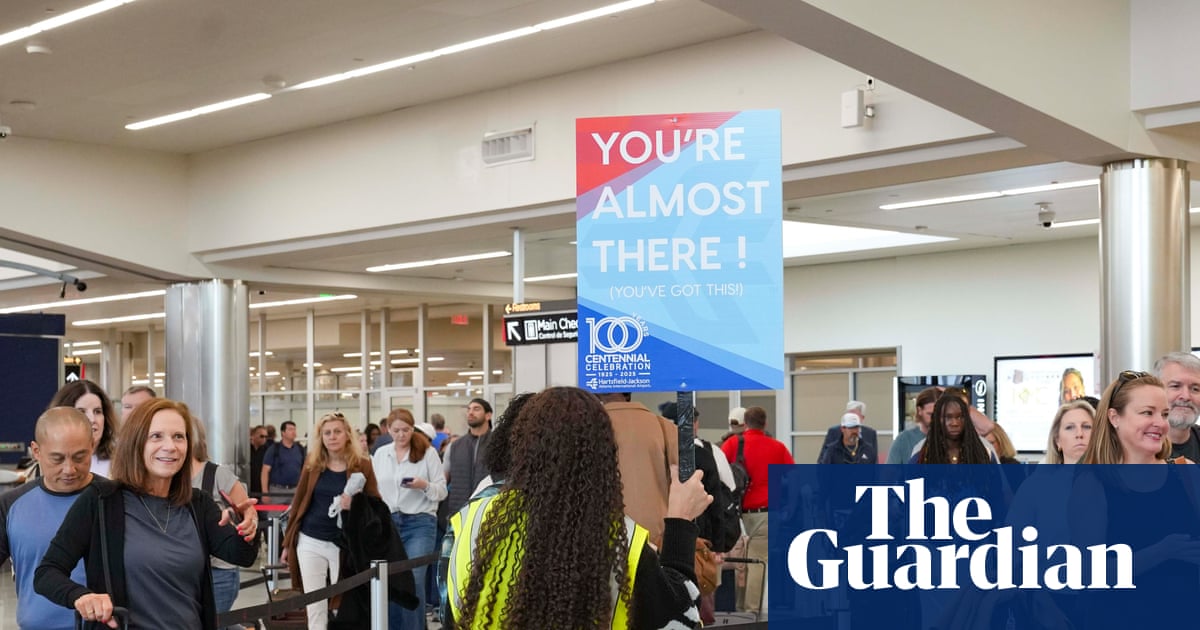
Key event: the U.S. Senate voted to fund DHS and President Trump said he would sign an order to pay 50,000 TSA agents; nearly 500 TSA screeners reportedly quit recently amid missed paychecks. The staffing shortfall has produced highly variable security wait times (reports up to ~3 hours in morning peaks) with ICE agents filling ID-check roles but not trained screening stations. Funding or an executive action could materially ease bottlenecks ahead of peak travel (spring break/World Cup), but operational uncertainty and PR risks persist for airports and travelers.
If security-capacity constraints at checkpoints persist, the economically predictable outcome is a redistribution of passenger demand across dayparts and distribution models rather than a simple volume decline. That shift raises marginal costs for hub-and-spoke carriers (higher rebooking, hotel and ground-handling costs per misconnect) while improving realized yields for point-to-point operators that avoid multi-leg itineraries; expect a 3–9% hit to unit revenues at highly hubbed carriers over the next 1–3 months if disruptions continue.
Airports and concession ecosystems face compressed peak windows: retailers and parking providers will see higher variance in daily cashflows, creating a short-term revenue arbitrage for firms able to dynamically reprice or redeploy staff; operators that can monetize schedule certainty (premium early check-in, fast-lane upsells, pre-paid parking) gain incremental margin. Vendors that supply screening hardware, identity/biometrics, and contract labor stand to capture multi-quarter contract uplifts as agencies seek durable fixes — contract awards and tech upgrades are a 3–12 month story.
Politically driven stopgaps can unwind stress quickly, producing sharp mean reversion in travel scheduling and airline routing economics; conversely, entrenched staffing deficits take months to normalize because hiring + certification has multi-week lead times. Key catalysts to watch: congressional funding action, emergency administrative orders, and first tranche of contract solicitations — each can swing sentiment and relative equity performance within days to weeks.
AI-powered research, real-time alerts, and portfolio analytics for institutional investors.
Request DemoOverall Sentiment
mildly negative
Sentiment Score
-0.30
