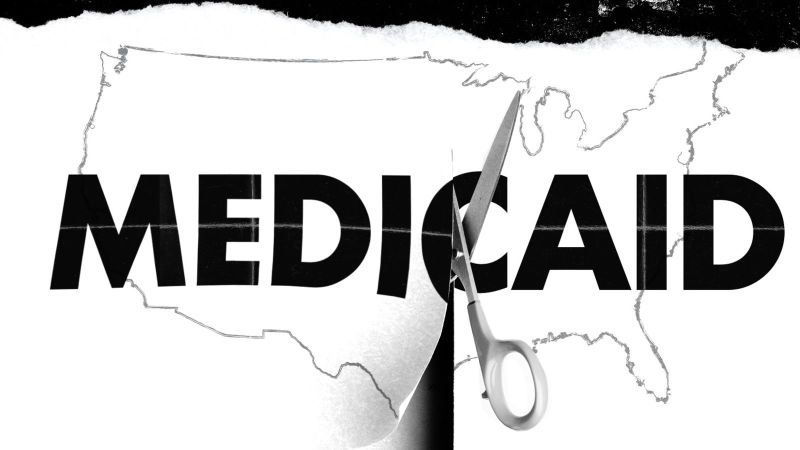
House Republicans are proposing legislation that would cut nearly $1 trillion from Medicaid and food stamps, potentially impacting millions of Americans. The plan aims to reduce federal support for Medicaid by nearly $700 billion over a decade and impose stricter work requirements for both Medicaid and food stamp recipients, shifting more financial burden onto states. Experts warn these changes could lead to significant coverage losses, strain state budgets, and negatively affect hospitals, grocery stores, and vulnerable populations, while proponents argue the measures target employable adults.
House Republicans are advancing legislative proposals aiming to reduce federal spending by nearly $1 trillion over a decade, primarily targeting Medicaid and the Supplemental Nutrition Assistance Program (SNAP). The proposed changes to Medicaid envision a federal funding reduction of approximately $700 billion over ten years, which the Congressional Budget Office (CBO) estimates could lead to over 10 million individuals losing coverage, with a net increase of 7.6 million uninsured Americans projected by 2034. A key provision introduces work requirements for Medicaid recipients aged 19 to 64, and delaying a Biden administration rule on Medicaid eligibility until 2035 is projected by the CBO to affect 2.3 million people. For SNAP, the legislation extends work requirements and introduces a cost-sharing model where states would cover at least 5% of benefit costs and 75% of administrative expenses from fiscal year 2028, potentially putting 11 million people at risk of losing benefits. These fiscal shifts are anticipated to place considerable strain on state budgets, potentially compelling states to curtail services or increase state taxes by an average of 4%. The healthcare sector, particularly hospitals, faces risks of increased uncompensated care costs and financial instability, especially for facilities in rural and low-income areas. The grocery industry also anticipates adverse economic effects from SNAP reductions, as the National Grocers Association highlights SNAP's role in supporting approximately 388,000 jobs. The progression of this legislation remains uncertain due to ongoing negotiations and anticipated modifications.
AI-powered research, real-time alerts, and portfolio analytics for institutional investors.
Request DemoOverall Sentiment
Negative
Sentiment Score
-0.70
