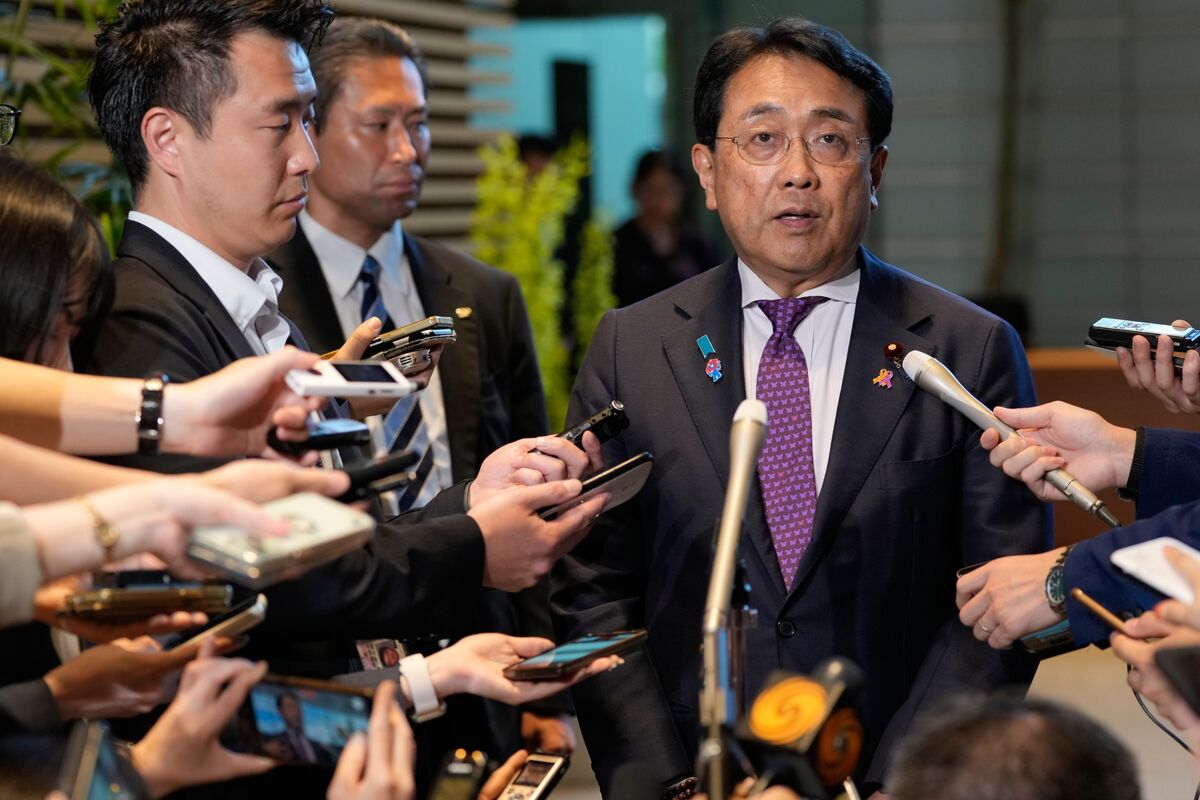
Japan's top trade negotiator, Ryosei Akazawa, is visiting the U.S. this week to press for the implementation of lower tariffs, specifically on cars and auto parts, which were agreed upon in a July bilateral trade deal. This marks Akazawa's tenth visit, highlighting Japan's persistent efforts to ensure the U.S. fulfills its commitments, as the previously struck agreement remains undelivered.
A significant disconnect exists between the U.S.-Japan trade agreement struck in July and its subsequent implementation, creating uncertainty for the Japanese automotive sector. The upcoming visit by Japan's top trade negotiator, Ryosei Akazawa, marks the tenth such effort this year, underscoring Japan's persistent but so far unsuccessful push to have Washington honor its commitment to lower tariffs on cars and auto parts. This continued delay, reflected in the mildly negative sentiment signal, introduces a tangible headwind for Japanese automakers who had anticipated relief from these duties. While the market impact is currently assessed as moderate, the situation highlights a key political risk in bilateral trade relations, as the failure to execute on agreed-upon terms could erode confidence and impact future cost projections for companies reliant on this trade corridor.
AI-powered research, real-time alerts, and portfolio analytics for institutional investors.
Request DemoOverall Sentiment
mildly negative
Sentiment Score
-0.25
