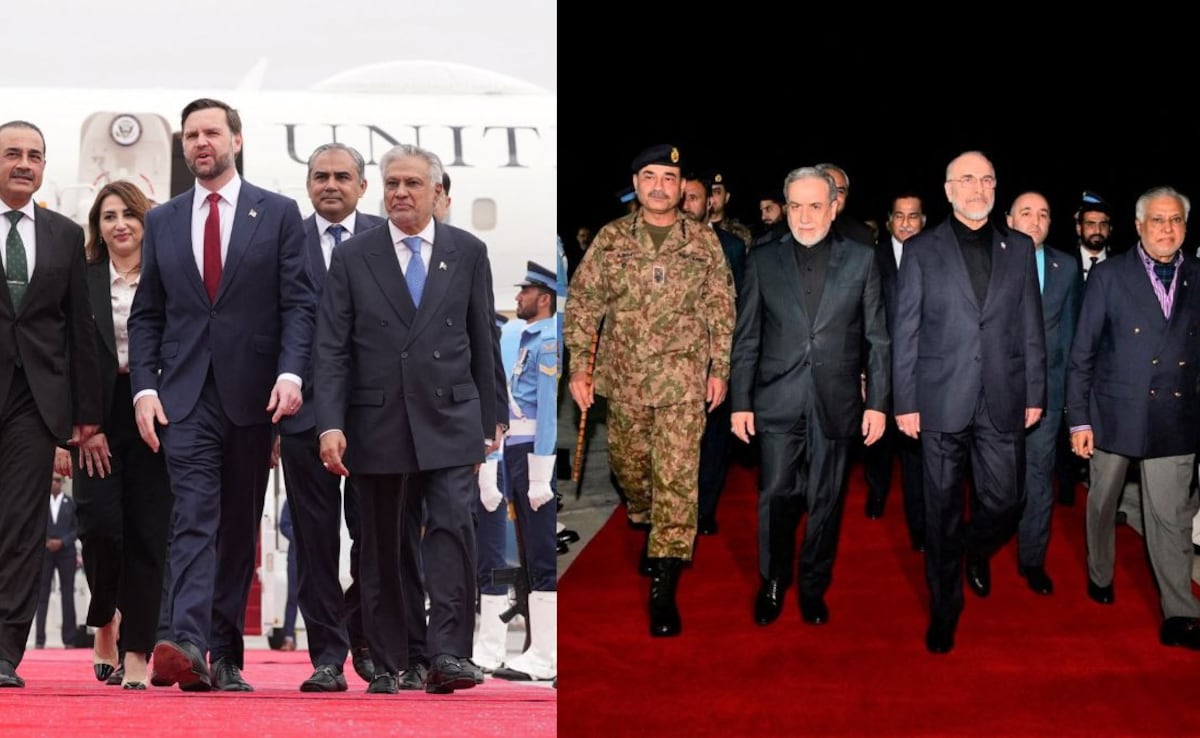
The 21-hour US-Iran peace talks in Islamabad ended without a deal, with JD Vance saying Washington made its 'final and best offer' and that Iran rejected US terms. The failure keeps the Middle East ceasefire fragile, raises the risk of renewed strikes and Strait of Hormuz disruptions, and sustains upside pressure on oil, shipping, and regional risk assets. Trump also warned of problems if China supports Iran, while Oman urged 'painful concessions' to avoid a return to war.
The market is underpricing how quickly a failed negotiation can morph into a shipping/insurance event rather than a pure military one. The key second-order effect is not just higher crude; it is a forced repricing of freight, war-risk premia, and working capital across Asia-bound energy flows, which hits refiners, chemical feedstocks, and import-dependent EMs before it shows up in headline oil. If the Strait remains intermittently constrained, the winners are the operators with alternative routing, floating storage, and optionality in North American barrels; the losers are importers with thin inventories and no pricing power. The bigger tail risk is policy escalation through maritime interdiction rather than direct strikes. That would create a gap between physical supply and listed energy equity response: upstream names rally immediately, but airlines, truckers, container lines, and Asian utilities can sell off on margin compression even if the crude move is modest. Over the next 1-3 weeks, the market will likely trade every headline as a binary on/off switch, but the real damage comes from customers rebuilding inventory and charter rates repricing higher, which is slower and more persistent. Consensus is too anchored on a short-lived ceasefire extension and too complacent about China’s role as an absorber of marginal barrels. If Beijing quietly supports defenses or logistics, it may not trigger an overt escalation, but it does increase the probability that this becomes a multi-month sanctions-and-export-controls regime rather than a clean diplomatic reset. That means the rally in risk assets should fade faster than the move in energy volatility; the cleanest expression is to stay long optionality on disruption while fading cyclical beta that depends on cheap shipping and stable Asian demand.
AI-powered research, real-time alerts, and portfolio analytics for institutional investors.
Overall Sentiment
strongly negative
Sentiment Score
-0.72
Ticker Sentiment
