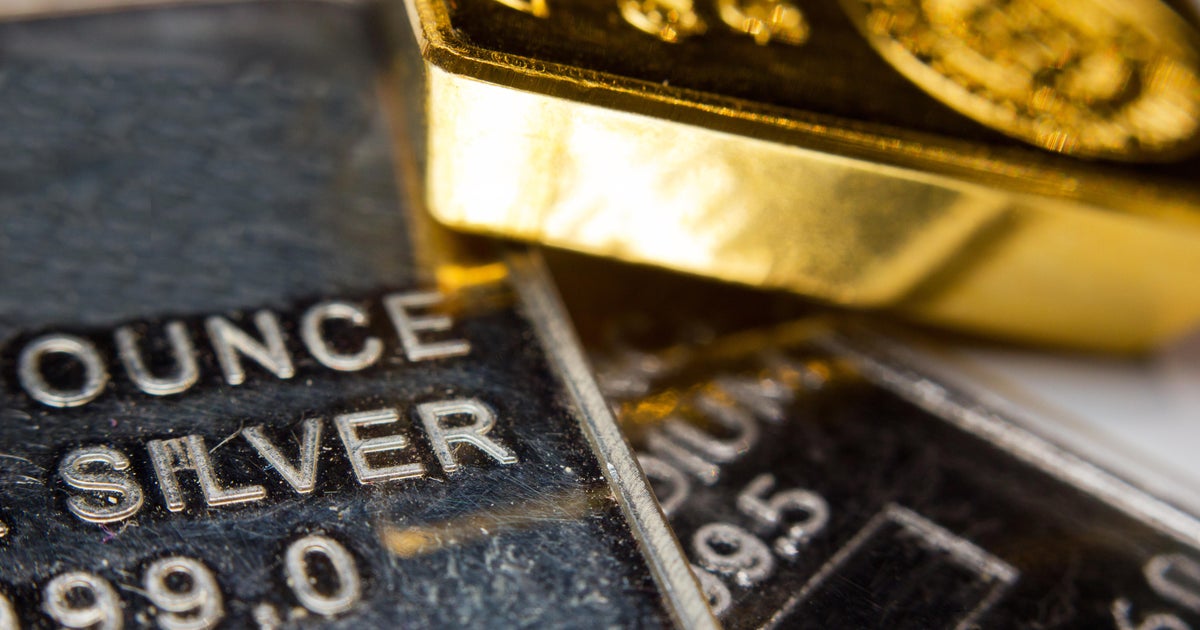
Gold and silver plunged after a parabolic run — gold, which topped $5,500 last week, fell below $4,500 in overnight trading before rebounding to $4,779, while silver tumbled more than 31% and was at $81 as of 10:30 a.m. EDT. The immediate catalyst was the nomination of Kevin Warsh as Fed chair, which stoked expectations of a more hawkish stance and a dollar rebound, triggering rapid de-risking, margin calls and forced liquidations among leveraged positions; JPMorgan nevertheless raised a year-end gold target to $6,300 while Oxford Economics warned of much lower year-end levels. The move highlights acute volatility across precious metals, FX and leveraged commodity positions and the potential for further short-term dislocations as forced selling abates.
Market structure: The immediate winners from Friday’s rehypothecation and dollar rebound are cash/liquid dollar exposures (UUP) and short-duration rate instruments; losers are levered paper gold/silver longs (ETF & futures) and momentum-driven miners in the short run. Forced deleveraging amplified supply of paper metal (ETF redemptions + futures liquidations) without a corresponding physical-market shock; expect elevated intraday correlation between gold/silver and DXY until margin pressures ease.
Risk assessment: Tail risks include a geopolitical shock (Ukraine/Taiwan) that could retrigger a rapid 20–50% snap-back in gold/silver, or a Fed pivot that collapses the dollar and re-inflates the metals bubble. Time horizons: immediate (days) = margin-call cascades; short (weeks–months) = positioning and rate-expectation repricing; long (quarters–years) = sustained real-rate trajectory and sovereign debt growth supporting real assets. Hidden dependencies: ETF inventories, leasing rates, and prime-broker collateral flows can prolong volatility even if fundamentals don’t change.
Trade implications: If forced-selling ends, miners (GDX) offer asymmetric upside vs GLD because of operational leverage; however, implied vols are rich—use limited-loss option structures. Cross-asset: rising USD and front-end yields should pressure long-duration credit and growth equities; prefer short-duration cash/floating-rate and long cash via UST bills as defensive arms.
Contrarian angles: Consensus views gold as a pure inflation hedge miss the dominance of liquidity and carry dynamics; current price action likely overstates a structural derating unless real rates rise sustainably >200bps from current levels. Historical parallels (2013 forced gold unwind) show a multi-week capitulation then a multi-quarter recovery—trade sizing should therefore be phased and hedged.
AI-powered research, real-time alerts, and portfolio analytics for institutional investors.
Request DemoOverall Sentiment
moderately negative
Sentiment Score
-0.55
Ticker Sentiment
