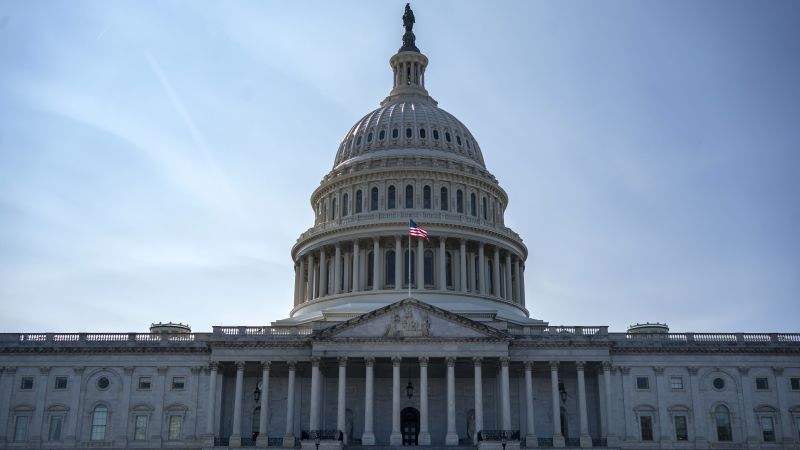
Congress moved rapidly to force release of the Jeffrey Epstein Justice Department files, with the House approving the measure 427-1 and the Senate agreeing by unanimous consent to deem it passed as soon as it is transmitted; Majority Leader John Thune said the House will send it Wednesday and President Trump has indicated he will sign though the White House said timing is undecided. Lawmakers from both parties hailed the effort, while Senate Democrats warned DOJ could still try to withhold material and House Republicans signaled parallel legislative maneuvers (including a planned move to repeal a separate DOJ damages provision). Separately, President Trump hosted Saudi Crown Prince Mohammed bin Salman, announced plans to designate Saudi Arabia a major non‑NATO ally and sign agreements including potential F‑35 sales, and said he was open to a deal with Iran—developments that underscore a shift toward deeper U.S.–Saudi security and commercial ties with implications for defense contractors and Middle East geopolitics.
The House voted 427-1 and the Senate agreed by unanimous consent to pass a bill compelling the Justice Department to release its Jeffrey Epstein case files, with Senate Majority Leader John Thune saying the House will formally transmit the measure Wednesday and the White House indicating President Trump will sign once it arrives. Congressional leaders from both parties praised the rapid, near-unanimous action, while Senate Democrats and others warned the DOJ could still attempt to withhold material or use procedural maneuvers to limit disclosure.
Political fallout is already evident: House Minority Leader Hakeem Jeffries disavowed recollection of a 2013 fundraising email tied to Epstein, and the House rejected a GOP censure of Delegate Stacey Plaskett by a 209-214 vote, signaling contested reputational risk for named politicians should the files contain further revelations. House Oversight Chair James Comer and Senate Minority Leader Chuck Schumer both signaled the files could drive additional investigations or partisan messaging, creating a disclosure-driven event risk window for affected individuals and institutions.
Separately, President Trump hosted Saudi Crown Prince Mohammed bin Salman, announced plans to designate Saudi Arabia a major non‑NATO ally and flagged a potential F-35 sale, actions that deepen U.S.-Saudi defense and commercial ties; the White House said these moves expand opportunities for U.S. jobs and supply-chain linkages. For markets this implies a directional read-through toward defense primes and suppliers if procurement advances, while media and politically exposed names face short-term volatility tied to the Epstein disclosure and related political developments.
AI-powered research, real-time alerts, and portfolio analytics for institutional investors.
Request DemoOverall Sentiment
mixed
Sentiment Score
0.00
Ticker Sentiment
