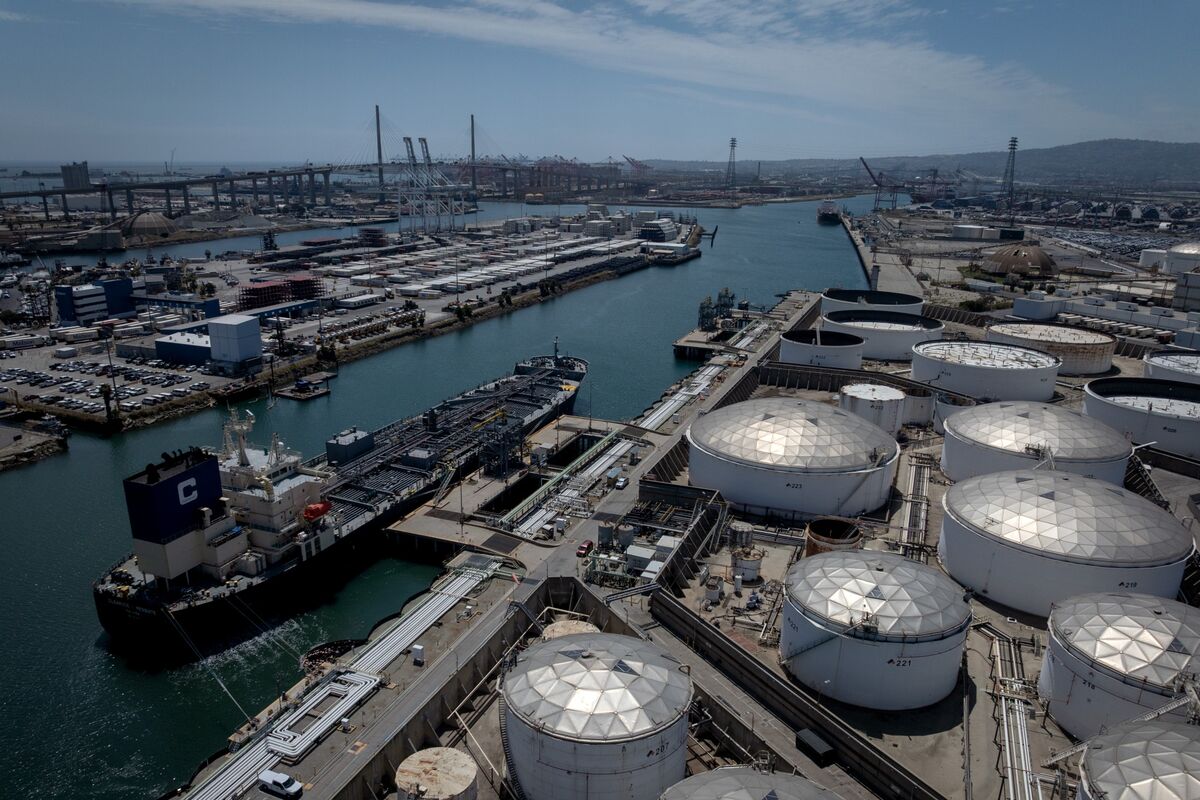
Trump administration officials are resisting restrictions on U.S. oil and gasoline exports despite concerns that domestic stockpiles are tightening as global demand leans on U.S. crude to offset supply disruptions from the war in Iran. Interior Secretary Doug Burgum said export curbs would be "bad on all accounts" economically, geopolitically and for affordability. The stance keeps supply-policy risk elevated for energy markets and could support volatility in crude and fuel prices.
The key market implication is not the headline rhetoric, but the administration’s willingness to protect the export function as a pressure valve. That keeps U.S. crude priced into the global marginal barrel rather than forcing a domestic isolation premium, which should mechanically support inland differentials, refining utilization, and waterborne export logistics while limiting the odds of a sharp collapse in global benchmarks from unilateral policy intervention.
The biggest second-order winner is the export-linked complex: Gulf Coast terminals, VLCC utilization, pipeline operators feeding the coast, and refiners that can arbitrage domestic feedstock against elevated overseas product demand. The loser is the politically sensitive consumer basket if policymakers refuse to lean on exports while stocks tighten; that shifts the burden of adjustment toward higher pump prices, which tends to feed a lagged inflation impulse over the next 4-8 weeks and raises the odds of a sharper demand response only after prices have already moved.
A contrarian read is that the market may be underpricing the chance of a later, not immediate, policy reversal if inventories keep drawing and gasoline becomes a voting issue. The near-term window is days-to-weeks for crude spreads and energy equities, but months for any regulatory response; the real tail risk is a fast move in domestic product prices that forces a symbolic action aimed at gasoline rather than crude, which would hit margin-sensitive refiners first and export-heavy producers second.
For now, the setup argues for staying long the beneficiaries of global linkage and selectively fading domestic price suppression narratives. The cleanest expression is a relative-value trade that owns export exposure and avoids assets most exposed to U.S. consumer backlash if prices keep rising.
AI-powered research, real-time alerts, and portfolio analytics for institutional investors.
Request DemoOverall Sentiment
neutral
Sentiment Score
-0.05
