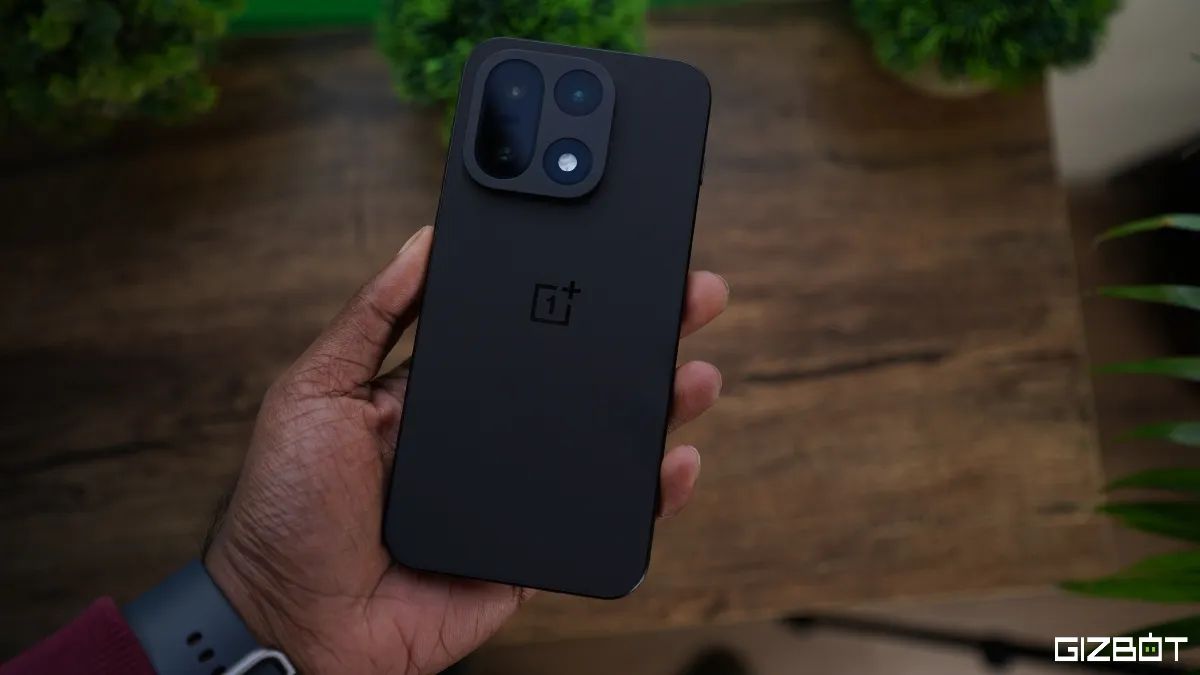
Leaks suggest the OnePlus 16 could feature an ultra-high-refresh-rate BOE display, Snapdragon 8 Elite Gen 6 Pro, a battery as large as 9,000mAh, and a dedicated AI hardware button. Camera rumors point to a 200MP periscope telephoto sensor plus 50MP main and ultrawide cameras, with OxygenOS 17 on Android 17. The article is speculative and centered on product features rather than confirmed financial or operating data, so near-term market impact appears limited.
The market is underestimating how much of this rumor stack is really a Qualcomm content-share story rather than a handset story. If OnePlus ships even a fraction of the claimed spec envelope, the implication is not just a higher-end SKU mix but a broader halo effect for QCOM’s next-gen platform, RF front-end attach, and premium Android upgrade cycle over the next 2-4 quarters. The most important second-order effect is that Apple’s display and battery leadership narrative gets a visible challenger in Android premium, which can force broader OEM spec inflation and modestly raise bill-of-materials intensity across the category.
The biggest near-term swing factor for QCOM is not unit volume from OnePlus itself, but whether this leak is a signal that flagship Android OEMs are willing to absorb higher silicon and display costs to differentiate on AI and performance. That can support pricing power in Qualcomm’s premium SoC franchise even if handset ASPs compress elsewhere. On the supply chain, BOE and other display components could see incremental order interest if ultra-high-refresh LTPO becomes a marketing feature, but the more durable read-through is to thermal, battery, and power-management suppliers as endurance becomes a headline metric again.
Contrarian view: the specs sound more like a prototype wish list than a shipping configuration, and the market may be extrapolating too much from leak velocity. A 9,000mAh battery and very high refresh panel would likely force tradeoffs in weight, thermals, and margin that limit real-world adoption, so the eventual commercialized product could be far more conservative. That means the trade is better expressed as an event-driven QCOM upside skew than a broad long handset-equipment basket until confirmation arrives.
Catalyst timing matters: the next 1-3 months should be viewed as rumor/validation phase, while the real earnings impact would land over 2-3 quarters if multiple OEMs follow suit. The main risk to the bullish read is that the final product launches with watered-down specs, in which case any pre-event multiple expansion in Qualcomm could fade quickly. If the leak proves directionally right, expect premium Android peers to respond within the next upgrade cycle with higher refresh rates, larger batteries, and dedicated AI hardware controls.
AI-powered research, real-time alerts, and portfolio analytics for institutional investors.
Request DemoOverall Sentiment
mildly positive
Sentiment Score
0.15
Ticker Sentiment
