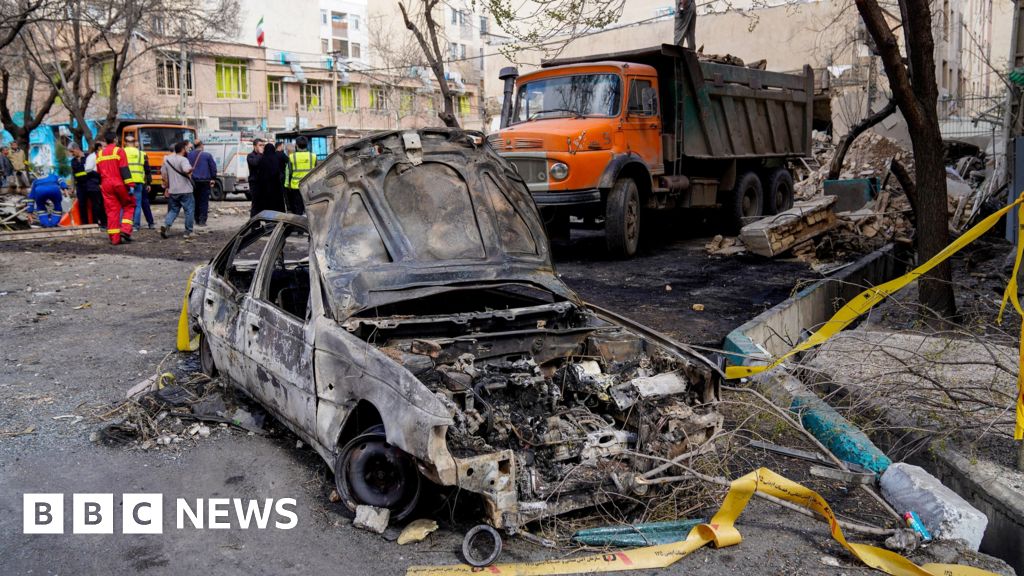
Coordinated US‑Israeli strikes reportedly struck Ayatollah Ali Khamenei's compound in Tehran with US and Israeli officials claiming Khamenei and multiple senior leaders were killed, a claim Iran denies. Iranian authorities report at least 201 killed and 747 injured (including 108 killed in a girls' school in Minab); Israeli forces say ~200 fighter jets hit roughly 500 targets, and Iran has launched missile and drone retaliation across the region with reports of strikes on US bases and an explosion in Dubai. The strategic Strait of Hormuz—carrying about one‑fifth of global oil and gas flows—was reported closed, creating acute upside risk to oil prices, shipping/insurance disruption, and broad risk‑off pressure on EM assets and energy‑exposed sectors.
Market structure: Immediate winners are energy producers and defense contractors; losers are regional EM sovereign credit, airlines/tourism, and Gulf logistics. Expect Brent/WTI to gap +15–35% if the Hormuz is intermittently closed (threshold Brent >$100) and energy equities (XLE, XOM, CVX) to reprice cashflows; shipping and insurance rates will spike, benefiting insurers with war-risk premiums. Liquidity will compress in regional FX and local sovereign bond markets, widening EM spreads by 200–500bp in stressed scenarios.
Risk assessment: Tail risks include a protracted regional war (6–18 months) that removes ~20% of seaborne flows, which could push Brent >$150 and create stagflation, or conversely a quick decapitation/retaliation cycle resolved within 2 weeks that crimps volatility. Near-term (days) expect VIX >30 and safe-haven flows to USD and gold; short-term (weeks–months) inflation vs growth ambiguity will drive bond volatility and curve steepening if oil stays above $100. Hidden dependencies: global supply chains for petrochemicals, fertilizers, and shipping re-routing; sanctions escalation could disrupt majors’ operations unpredictably.
Trade implications: Favor tactical long energy (physical/futures/ETFs) and long-defense while hedging with sovereign CDS and short regional equity/airline exposure. Use options to express convexity — buy 3-month calls or call spreads on XOM/CVX and 3-month puts on JETS or airline names. Size positions for portfolio shock: initial 1–4% allocations with pre-defined add/trim triggers tied to Brent and VIX levels.
Contrarian angles: Consensus may overpay for pure "flight-to-safety" (TLT/long-duration Treasuries) early; if oil-induced inflation materializes >$100 for 90+ days, long-duration bonds get crushed. Historical parallels (Gulf wars 1990–91, 2003) show energy spikes often mean revert after supply adjustments within 6–12 months — favor front-month crude/options over outright long-dated physical exposure. Unintended consequence: defense rally priced quickly; avoid overstaying into a 12–18 month peace/investment reversion window.
AI-powered research, real-time alerts, and portfolio analytics for institutional investors.
Request TrialOverall Sentiment
strongly negative
Sentiment Score
-0.85
