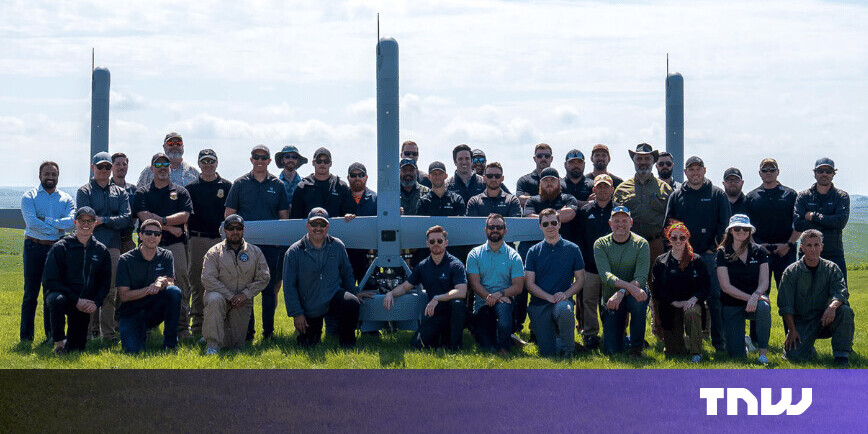
Shield AI raised $2.0B at a $12.7B valuation — a $1.5B Series G led by Advent and $500M in preferred equity from Blackstone (plus a $250M delayed-draw) — and will use part of the proceeds to acquire Aechelon Technology. The valuation has jumped roughly fivefold from $2.7B in Oct 2023 to $12.7B today, reflecting heavy investor interest in defence AI and Shield’s combat-proven Hivemind and DoD ties; execution risks remain around the X-BAT 2028 operational timeline and scaling Hivemind across platforms.
Large-balance-sheet private capital and the banks that distribute it are the non-obvious near-term winners: they monetize large, concentrated rounds through management fees, preferred instruments and structured exits rather than through immediate sponsor-level EBITDA growth. This reallocates margin pools toward financial intermediation and away from pure manufacturing — expect a multi-year uplift in fee-bearing AUM and recurring yield-like returns for asset managers who can deploy at scale, even if underlying revenue growth at the target companies lags.
On the industrial side, the biggest second-order shift is procurement friction: high-fidelity simulation and software stacks raise the cost of switching for governments and accelerate software-first procurement, compressing long-term margins for commodity airframe and systems suppliers while boosting demand for compute, sensor suites and MRO providers that integrate with synthetic training regimes. Supply-chain winners will be firms that sell validation tooling, digital twins and secure edge compute; losers will be suppliers whose value is tied to low-margin airframe components that are easier to commoditize.
Key risks come from execution and policy: milestone slippage, failed integration between synthetic and live test regimes, and a regulatory backlash around autonomous weapons could each unwind sentiment in weeks-to-months. The market is sensitive to a small number of binary events (first complex flight-tests, DoD certification steps, major contract award decisions), making calendar-driven hedges and event-specific option structures essential over the next 6–24 months.
The consensus is underweighting the sustainable moat that high-fidelity, classified synthetic datasets can create: if a firm successfully locks in a closed data+simulation loop with government customers, it can convert an R&D lead into a 5–7 year durable advantage that supports premium valuations. That said, the current financing environment also raises the chance of a 30–40% drawdown if multiple engineering or procurement milestones are missed within a 12–18 month window.
AI-powered research, real-time alerts, and portfolio analytics for institutional investors.
Request DemoOverall Sentiment
strongly positive
Sentiment Score
0.60
Ticker Sentiment
