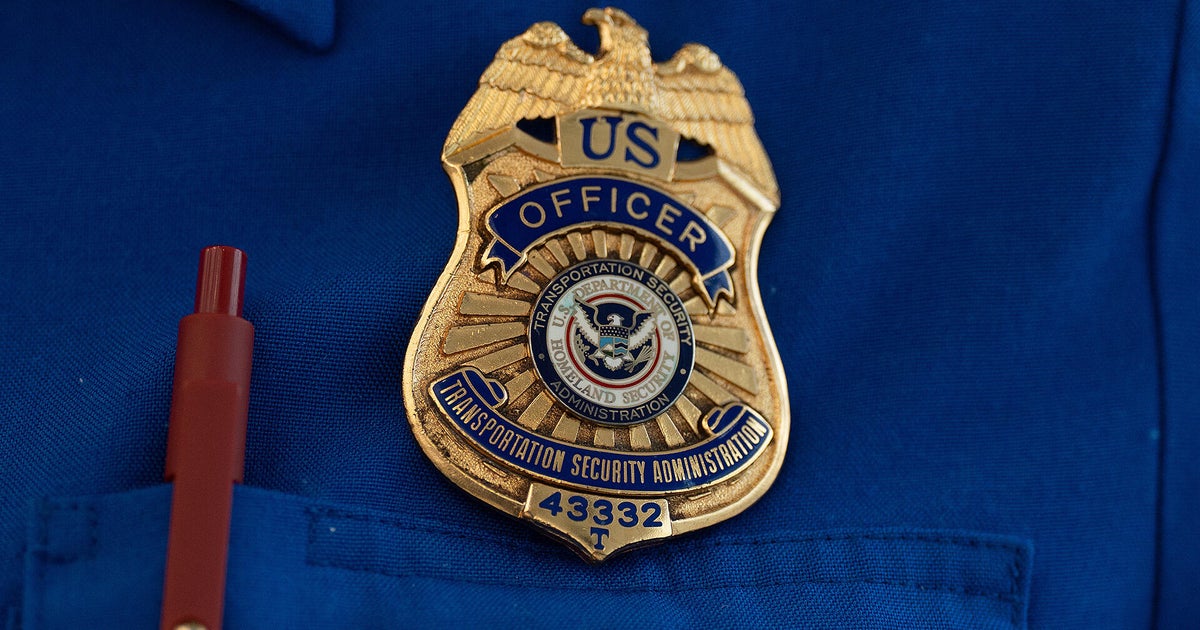
TSA officers began receiving pay after a 45-day partial government shutdown, with backpay reported as 160 hours per employee (per CBS). The union represents ~50,000 members, ~510 officers have resigned during the closure, and individual employees face material household hits (one cited ~ $2,000 in late fees). Relief is partial and uneven — other agencies (Coast Guard, FEMA, CISA) remain unpaid — leaving staffing and operational risk elevated while lawmakers negotiate funding and ICE-related reforms.
Operational stress in the federal screening workforce is a supply-side shock to airport throughput that is not binary — its impact compounds non-linearly across the value chain. Even modest, sustained reductions in frontline staffing during the next 8–12 week peak travel window translate into outsized increases in missed connections, rebooking costs and passenger compensations for network carriers because delays propagate through hub schedules.
The political lever is binary and fast (appropriations/emergency order) but the economic recovery is slow: hiring, background checks and on-the-job certification for new screeners typically take multiple weeks to months, so market relief on funding news risks being immediate in headlines but muted in operational outcomes for at least 6–12 weeks. That gap creates an asymmetric window where airlines more exposed to hub congestion carry concentrated downside while vendors of automated screening/biometric systems stand to see accelerated procurement cycles.
Tail risks: a protracted funding standoff or a spike in attrition/strike activity would force airlines into contingency staffing and compensation regimes, inflating opex and insurance claims over quarters; conversely, a one-off legislative package that includes sign-on/retention bonuses and accelerated capex could sharply reprice security-tech contractors within 3–9 months. Monitor three catalysts: (1) appropriation vote timing, (2) DHS contract solicitations for screening tech, and (3) weekly air travel operational metrics — each will materially reweight exposures.
Consensus underestimates the persistence of morale-driven absenteeism and rehiring frictions. Markets tend to mark stocks back quickly on funding headlines, but the durable economic impacts (higher unit costs for airlines, accelerated security tech spend) are staggered — this creates a tradable window to position against headline-driven rallies.
AI-powered research, real-time alerts, and portfolio analytics for institutional investors.
Request DemoOverall Sentiment
moderately negative
Sentiment Score
-0.45
