
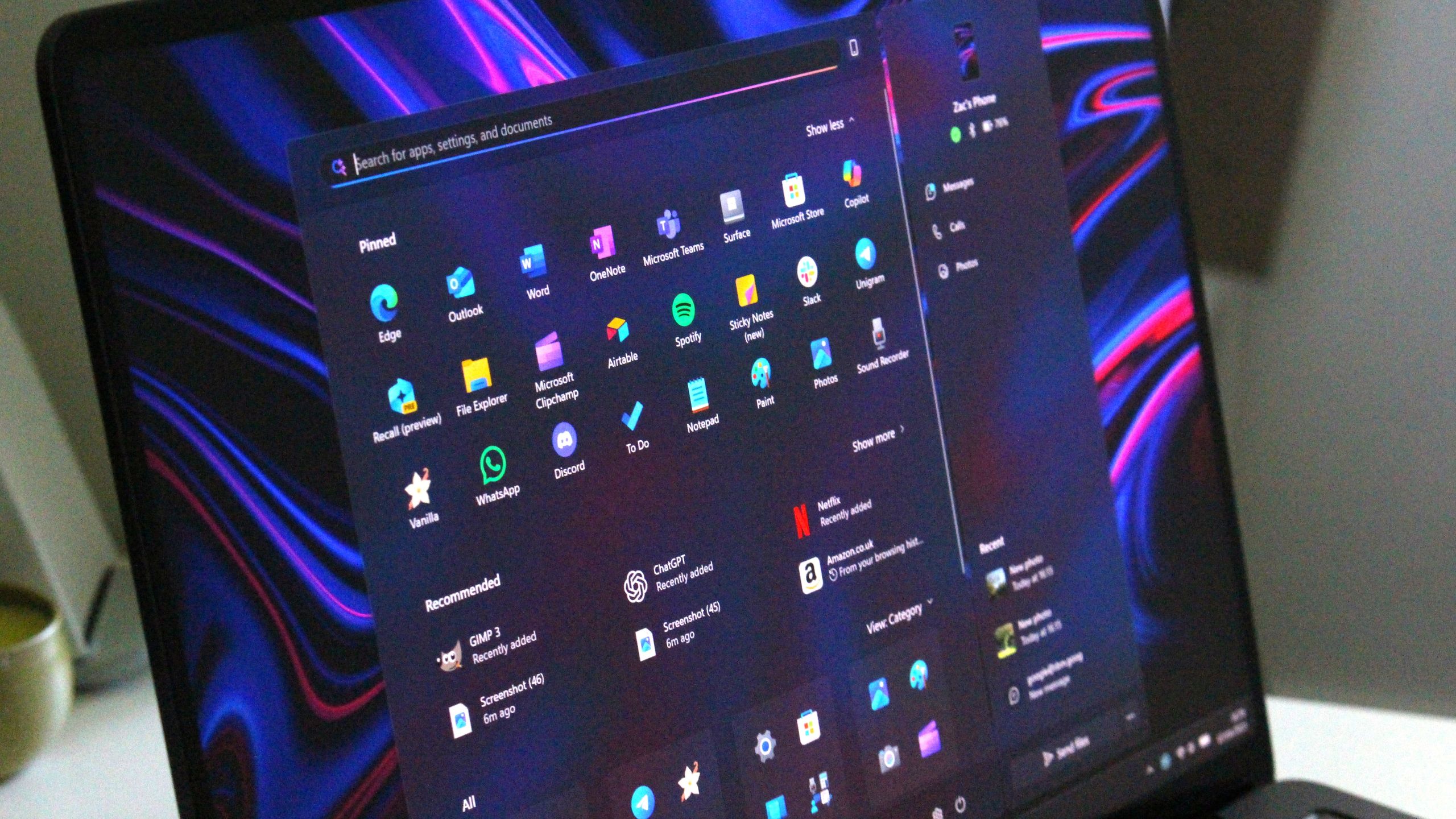
Microsoft is rebuilding the Windows 11 Start menu with new customization controls, including the ability to resize the menu, toggle entire sections on or off, and choose between small or large layouts. The update also targets faster responsiveness under heavy CPU load and improved search performance. While product-focused rather than financially material, the changes address user pain points and support Windows 11's usability and stability.
This is a subtle but meaningful quality-of-experience upgrade for MSFT: the operating leverage is not from monetization, but from reducing friction in the daily entry point to Windows. The second-order effect is that a faster, more configurable shell lowers the perceived tax of Windows 11, which matters most for enterprise rollouts where user complaints drive IT delay more than feature gaps do.
The more important signal is organizational: Microsoft appears to be prioritizing core UX stability over headline AI features in a way that could improve Windows’ retention at the margin. If execution is real, the benefit accrues across the ecosystem through fewer helpdesk tickets, less “workaround” software behavior, and lower pressure on OEMs to differentiate on hardware just to offset OS complaints.
The near-term market impact is limited, but the setup can matter over months if this becomes the first visible proof that Windows K2 is changing the product cadence. Consensus may underweight how much a responsive Start/search experience affects enterprise sentiment; if this reduces frustration enough to keep upgrade cycles on schedule, it modestly improves the long-duration Windows annuity and supports premium multiple stability.
Contrarian view: this may be more about perception than earnings, and the stock likely won’t rerate on a feature bundle with no direct revenue. The risk is that delivery slips or the improvement is marginal under real-world load, which would reinforce the narrative that Windows remains bloated and reactive rather than genuinely improving.
AI-powered research, real-time alerts, and portfolio analytics for institutional investors.
Request TrialOverall Sentiment
mildly positive
Sentiment Score
0.25
Ticker Sentiment
