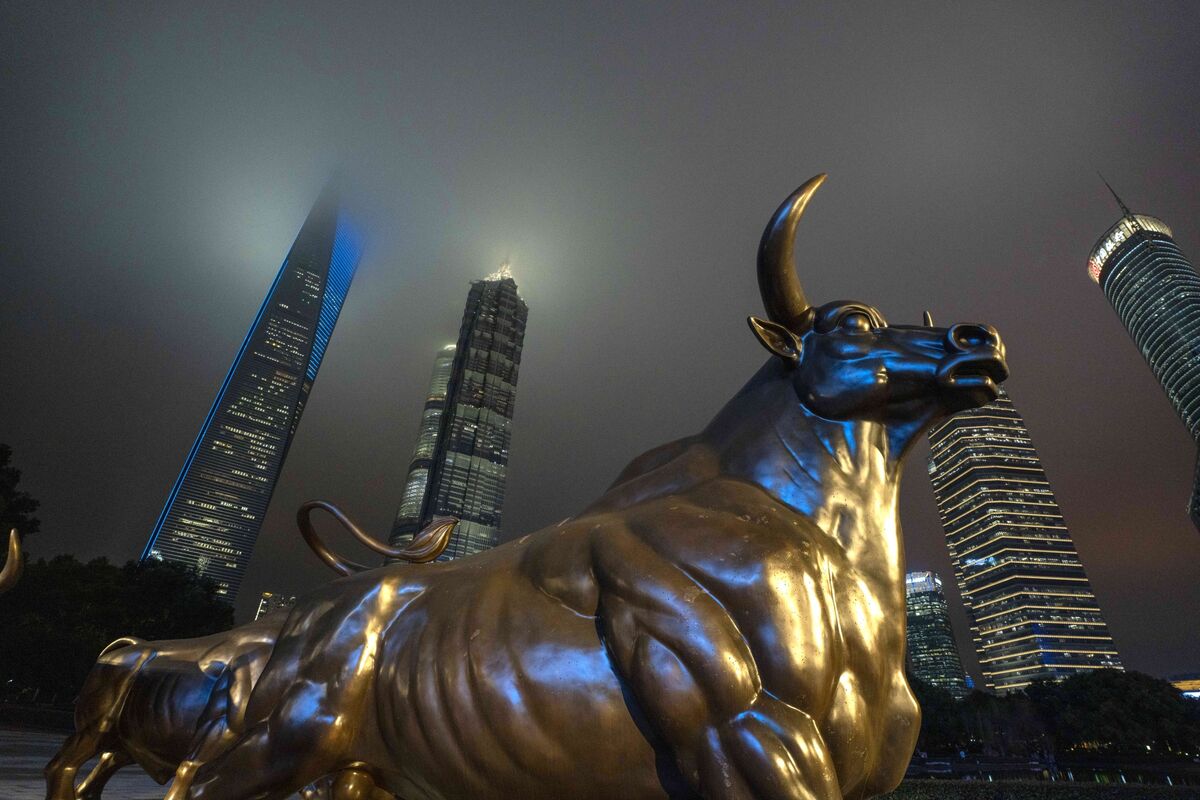
China's financial markets have reached a critical 'tipping point,' as investment flows into and out of the country now exceed its goods and services trade for the first time. This milestone signifies a profound shift in China's global economic integration, potentially holding implications for international financial markets comparable to its manufacturing revolution.
A structural tipping point has been reached in China's economic integration with the world, as financial flows have, for the first time, surpassed the value of the country's goods and services trade. This development marks a significant acceleration in the opening of China's historically insular financial markets, suggesting that the era of tentative liberalization is giving way to a more profound integration. The magnitude of this shift is positioned as being potentially as impactful on a global scale as China's manufacturing revolution, fundamentally altering its role from primarily the world's factory to a major hub for international capital. This transition implies that global fund flows, currency markets, and investment strategies will now be more significantly influenced by capital moving into and out of China, creating a new dynamic separate from its trade relationships.
AI-powered research, real-time alerts, and portfolio analytics for institutional investors.
Request DemoOverall Sentiment
strongly positive
Sentiment Score
0.80
