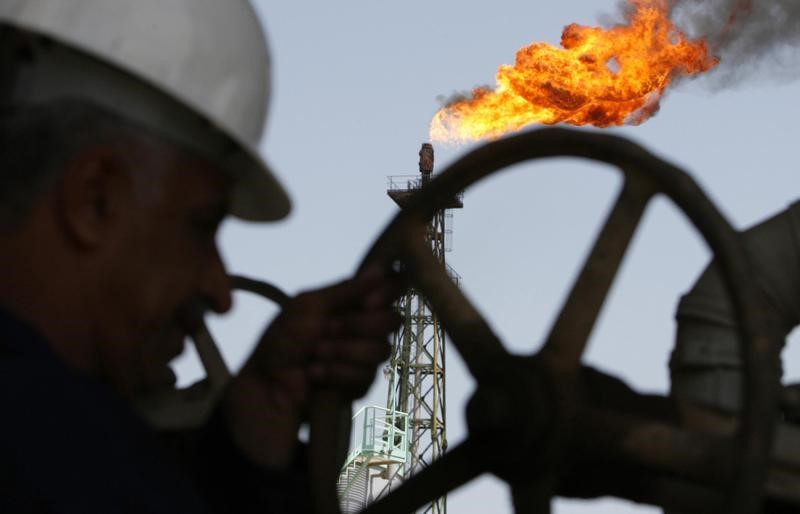
Brent is trading around $104.47/bbl and WTI around $102.21/bbl after Brent surged to $118.31 in the prior session; Brent posted a record monthly gain of >63% in March. Tanker traffic through the Strait of Hormuz — which handles roughly 20% of global oil supply — has collapsed, keeping upside pressure on prices despite muted market reaction to mixed diplomatic signals (Trump signalling a possible U.S. exit in 2–3 weeks; Iran saying it’s conditionally ready to end the war). Ongoing supply disruption risk and API commentary that reopening Hormuz is “the critical piece” imply sustained volatility and upside tail risk for energy prices and inflation; consider energy exposure hedges or reassess inflation-sensitive positions.
A sustained disruption at a major maritime chokepoint will not only lift headline hydrocarbon prices but also raise marginal delivered cost by forcing longer voyage patterns and higher war-risk/insurance premia. Expect incremental freight and insurance to add roughly $2–6/bbl to delivered crude depending on route length and vessel class, and to remove the equivalent of ~0.5–1.5 mbpd of export capacity from effective daily trade by constraining tanker availability and increasing voyage times by 10–25%.
The immediate corporate winners are companies with floating or spot-exposed transport capacity and those selling war-risk insurance/reinsurance capacity; listed VLCC/Aframax owners and Bermuda reinsurers are direct beneficiaries if elevated rates persist. Conversely, refiners dependent on short-haul seaborne supply and countries reliant on marginal exports from the constrained basin will face margin compression and higher feedstock costs; this will push some refiners into force‑majeure or lower run rates, tightening product markets and widening regional crack differentials for months.
Time horizons matter: headlines will drive intraday and week-to-week volatility, but the 3–9 month window is decisive — re-routing logistics, insurance repricing, and maintenance cycles determine how much lost flow is structural versus transient. Reversal catalysts include a rapid diplomatic reopening or a coordinated large strategic release; both could shave 15–25% off risk premia in weeks. Tail risks include escalation that expands insurance blacklists or a cascading logistics breakdown that forces prolonged floating storage and deeper structural underinvestment, keeping upside for years.
The market consensus is overlooking the elasticity on both sides: transport capacity and insurance adjust slowly, but onshore production can ramp if prices stay high longer than 3 months. Watch two leading indicators to adjudicate: average VLCC TCEs and incremental rig count/change in US crude differentials over the next 6–12 weeks; divergence (high TCEs + rising US supply) signals a pivot to mean reversion, while both staying elevated implies more persistent dislocation.
AI-powered research, real-time alerts, and portfolio analytics for institutional investors.
Request DemoOverall Sentiment
mixed
Sentiment Score
0.00
