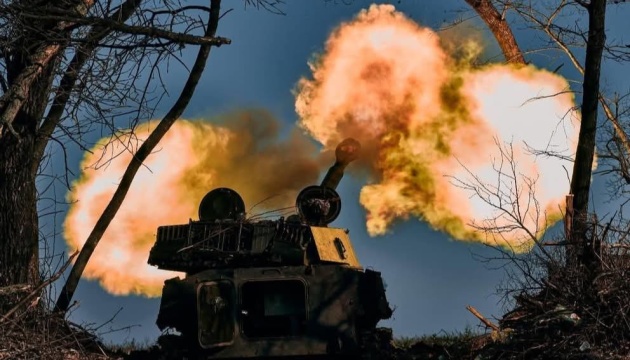
Ukrainian General Staff reports 338 frontline clashes over the past day with the Pokrovsk sector the hottest; Russian forces carried out 44 airstrikes (dropping 144 guided bombs), launched 4,053 kamikaze drones and conducted 3,319 attacks including 190 MLRS strikes. Ukrainian missile and artillery forces struck two enemy personnel concentrations, two command posts and one other high-value target, while defenders repelled widespread assaults across multiple sectors—notably stopping 80 assaults in Pokrovsk; no offensive groupings were detected in Volyn/Polissia and no offensive actions in the Dnipro River sector. The scale and intensity of strikes and drone use underline continued operational risk in the theater, implying persistent regional security and defense-sector implications for investors.
Market structure: Persistent high-intensity attacks (4,000+ drones/day, 44 airstrikes) favor defense primes, munitions manufacturers, and tactical ISR/sensor suppliers (scale winners: RTX, LMT, GD, NOC) as demand for precision munitions and integrated air defense should rise 6–18 months. Losers include Ukraine-adjacent domestic infrastructure, European regional travel (airlines, airports) and commodity-disrupted farmers; expect elevated oil/gas and agricultural price volatility (+10–25% swing potential). Cross-asset effects: near-term flight-to-quality should push UST yields down and gold up; oil and European gas have >20% convexity to escalation; FX pressure on UAH and RUB remains acute.
Risk assessment: Tail risks include rapid escalation (5–15% probability) that triggers strikes on energy infrastructure causing oil spikes >$20/bbl and global inflationary shock, or broad sanctions that freeze Russian commodity flows. Immediate (days): volatility spikes and liquidity squeezes; short-term (weeks–months): defense order flow and commodity dislocations; long-term (quarters–years): permanent re-rating of defense capex. Hidden dependencies: Western logistics/munitions pacing, ammunition stockpile depletion, and semiconductor supply for guided munitions constrain supply response and cap revenue growth.
Trade implications: Direct plays—overweight large, investment-grade defense primes (RTX, LMT, GD) with 2–4% portfolio allocations for 6–18 months; buy 6–12 month call spreads to cap entry cost. Pair trade—long RTX vs short JETS (airline ETF) to capture divergence in persistence of defense demand vs travel disruption for 3–6 months. Options—purchase 3-month Brent call spread (e.g., $80–$100) size 1–2% notional if Brent closes >$85 on 3 consecutive sessions.
Contrarian angles: Consensus underprices production bottlenecks (ammunition-grade steel, chips) that can limit revenue growth despite larger budgets; primes with better vertical integration (LMT) will out-earn smaller suppliers. Market may over-rotate into mega-cap defense now; consider waiting for 10–15% pullbacks to add mid-cap suppliers with proven production (GD, RTX aftermarket vendors). Unintended consequence: accelerated Western aid announcements can re-rate select small cap suppliers faster than primes—monitor contract awards within 14 days.
AI-powered research, real-time alerts, and portfolio analytics for institutional investors.
Request DemoOverall Sentiment
moderately negative
Sentiment Score
-0.50
