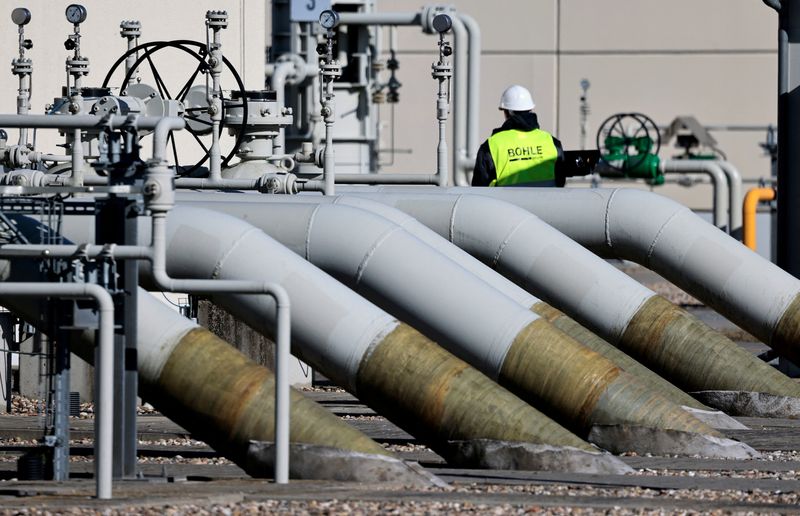
European gas prices rose 3.6% to 47.47 euros/MWh as investors weighed stalled U.S.-Iran talks and renewed concerns over shipping through the Strait of Hormuz, which carries roughly one-fifth of global oil flows. Iran warned U.S. forces to stay out of the strait and threatened a harsh response, while the U.S. floated a plan to reopen traffic with limited detail. The standoff keeps energy prices elevated and poses a broader risk to global growth and supply chains.
The market is pricing a disruption premium, but the bigger second-order effect is not just higher prompt energy prices — it is a widening dispersion between energy-intensive sectors and asset-light, pricing-power businesses. European gas is the cleanest short-term expression because it is the most vulnerable to any bottleneck in seaborne flows and has the least cushion from inventories if the corridor remains functionally constrained; that makes the move more a logistics/insurance shock than a pure commodity demand story.
The key asymmetry is that a partial reopening of traffic may be bearish for headline prices yet still leave enough friction to keep freight, insurance, and inventory costs elevated for weeks. That is a negative setup for refiners, airlines, chemicals, and European industrials, which tend to lag spot moves in energy by one reporting cycle but absorb margin compression immediately. Conversely, upstream energy and selective tanker/shipping names can benefit even if volumes normalize, because risk premia often persist after the physical bottleneck loosens.
The contrarian view is that the market may be underestimating how quickly diplomatic noise can fade while the physical market remains tight; a temporary de-escalation would likely cause a sharp but brief retracement in gas/oil, creating an attractive entry for downside hedges rather than outright chasing longs. Another underappreciated risk is positioning: when headlines are binary and liquidity thin, a false easing can trigger a violent squeeze lower in energy, so the trade should be structured with defined risk, not outright levered beta.
For the named stocks, ING is more of a sentiment barometer here than a direct earnings beneficiary; the relevance is in its read-through to European macro and rates rather than standalone alpha. SMCI and APP are indirectly helped only if the market rotates toward secular growth as an energy shock looks transitory; that is too indirect for a primary trade, but it does argue against blanket de-risking of high-multiple tech on this headline alone.
AI-powered research, real-time alerts, and portfolio analytics for institutional investors.
Request DemoOverall Sentiment
mildly negative
Sentiment Score
-0.35
Ticker Sentiment
