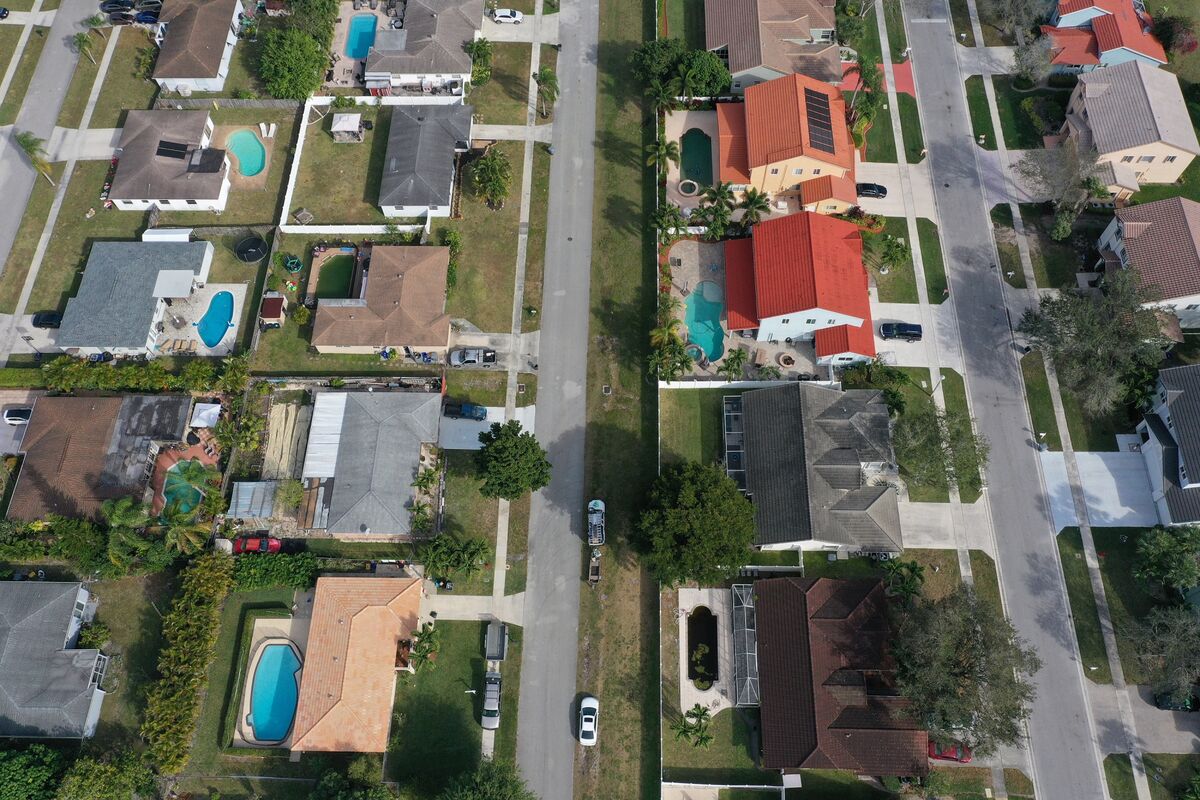
Florida's housing market is softening due to rising insurance and condo fees, driven by climate-related costs, which are outweighing traditional benefits like sunshine and no income tax. Experts suggest this climate cost burden is not cyclical and may permanently reset baseline housing values in the state, potentially deepening the down phase of the real estate cycle.
The Florida housing market is experiencing a downturn, with real estate prices reportedly declining. This softening is attributed not only to typical cyclical factors but significantly to escalating climate-related costs, particularly sky-high insurance rates and condominium fees, which real estate experts indicate are weighing against traditional benefits like year-round sunshine and zero income tax, amidst existing pressures from borrowing costs. According to Jesse Keenan, a real estate professor at Tulane University focusing on climate adaptation, this emerging trend is viewed as a "non-cyclical phenomenon" potentially leading to a fundamental "resetting of the baseline values of housing in Florida." The situation is further compounded by the risk of a major hurricane, which could exacerbate the market's fragility. The overall sentiment regarding this development is negative, with a pessimistic tone indicated by a sentiment score of -0.6, and a moderate market impact score of 0.5 suggests these localized issues are gaining broader attention.
AI-powered research, real-time alerts, and portfolio analytics for institutional investors.
Request DemoOverall Sentiment
Negative
Sentiment Score
-0.60
