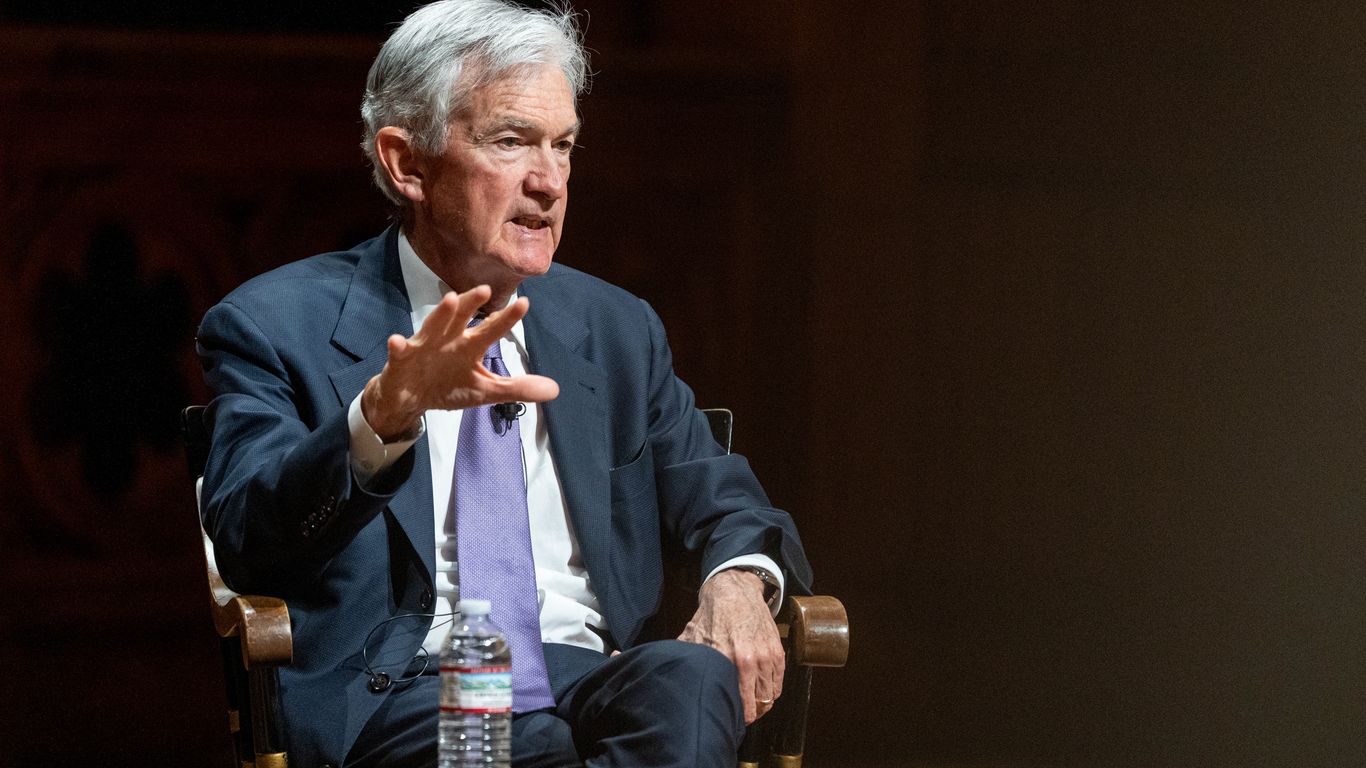
Key event: the U.S. District Court in D.C. denied the government's motion to reconsider Judge James Boasberg's decision to quash grand jury subpoenas for Fed official Powell, with Boasberg stating the government presented "no evidence whatsoever of fraud." The subpoenas sought records tied to the Federal Reserve's multibillion-dollar building renovations and the DOJ had been probing alleged fraud and false statements to Congress. Impact: the ruling shields Powell for now but leaves Michael Warsh's nomination in limbo—Sen. Thom Tillis has vowed to block confirmation while the DOJ investigation continues and Powell's term expires next month.
This ruling raises the evidentiary bar for politically sensitive criminal probes and therefore reduces near-term legal risk premia for senior officials and companies who trade in politically charged areas. Expect a modest compression in event-driven volatility for large-cap financials and politically exposed corporates over the next 4–12 weeks as one pathway for enforcement is temporarily weakened, but that compression will be limited (not transformative) because civil and regulatory paths remain open.
A key second-order market effect is the amplification of Senate leverage as the primary venue for political outcomes. Hold-and-block tactics (multi-week to multi-month) become a more powerful tool than courtroom process for shaping personnel outcomes; that skews short-term pricing toward policy continuity scenarios and reduces the near-term probability of an abrupt hawkish pivot from new appointees. Market mechanics: if the market re-prices the marginal probability of a more hawkish appointee down by ~15–25% over 1–3 months, front-end yields could move 10–25 bps lower while term premia are largely unchanged.
Main tail risks are procedural: an appeal, newly discovered evidence, or aggressive political escalation can reverse the relief quickly — such reversals would likely show as a rapid rise in front-end yields and a flight-to-quality in equities within days. Tactical positioning should therefore favor short-lived, size-constrained trades (1–3% of book) with tight, event-driven stop discipline rather than large multi-quarter directional bets based solely on this decision.
AI-powered research, real-time alerts, and portfolio analytics for institutional investors.
Request DemoOverall Sentiment
neutral
Sentiment Score
0.00
