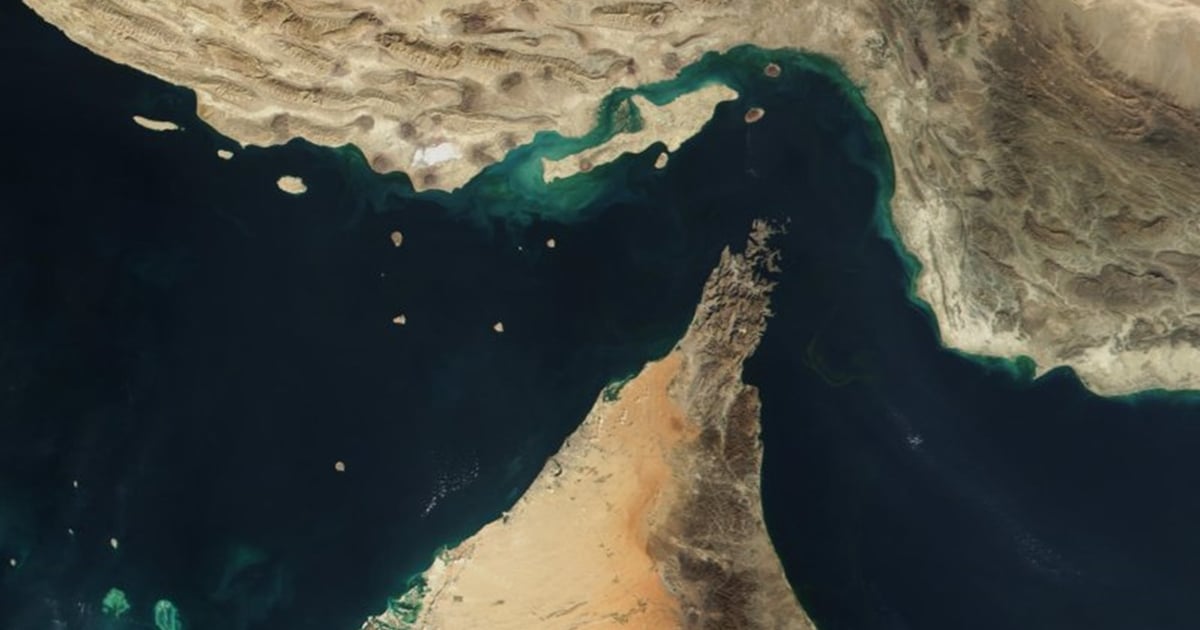
20 transits (14 outbound, 6 inbound) were recorded in a 24-hour period—highest since Feb 28 but only ~14% of the historic average of 138/day; Iran also reported 15 ships allowed in the past 24 hours. Over 40 countries plus the IMO are coordinating diplomatic pressure to secure unimpeded passage and reject Iranian transit tolls, while US threats and Iranian counter-threats raise the risk of wider supply-chain disruption, higher freight and insurance premia, and potential energy-price shocks.
The market is re-pricing the Strait of Hormuz from temporary disruption to an enduring chokepoint premium. Expect a persistent two-tier freight environment: long-haul crude and LNG voyages will carry a higher time-on-route premium (adding ~7–14 days per round trip to Asia if forced around Africa), tightening effective available tonnage and pushing spot VLCC/Tanker rates materially above forward curve levels for months; short-haul product trades and feeder container loops will see selective capacity relief but steep insurance and reroute surcharges.
Second-order supply-chain effects will propagate into inventory dynamics and refining margins: Asian refiners facing delayed crude arrivals will deplete prompt crude stocks and bid up prompt cargoes, widening Brent crude backwardation and compressing fuel cracks heterogeneously (middle distillate shortages vs gasoline). Shipping services and logistics providers with flexible tonnage (asset-light carriers, third-party logistics) will monetize premium pricing but suffer stranded assets and crew-rotation bottlenecks, boosting working capital stress for smaller owners.
Policy and legal moves (IMO framework, coordinated sanctions, or recognized maritime corridors) are the principal de-escalation levers; absent a diplomatic breakthrough, market participants will embed a multi-year security premium into shipping cost curves and long-term charters. A rapid military escalation or targeted strikes on maritime infrastructure would produce the largest positive oil price shock and instantaneous insurance corridor blowouts; conversely, a verifiable international convoy mechanism combined with insured neutral corridors could deflate the premium within 30–90 days.
AI-powered research, real-time alerts, and portfolio analytics for institutional investors.
Request DemoOverall Sentiment
strongly negative
Sentiment Score
-0.65
