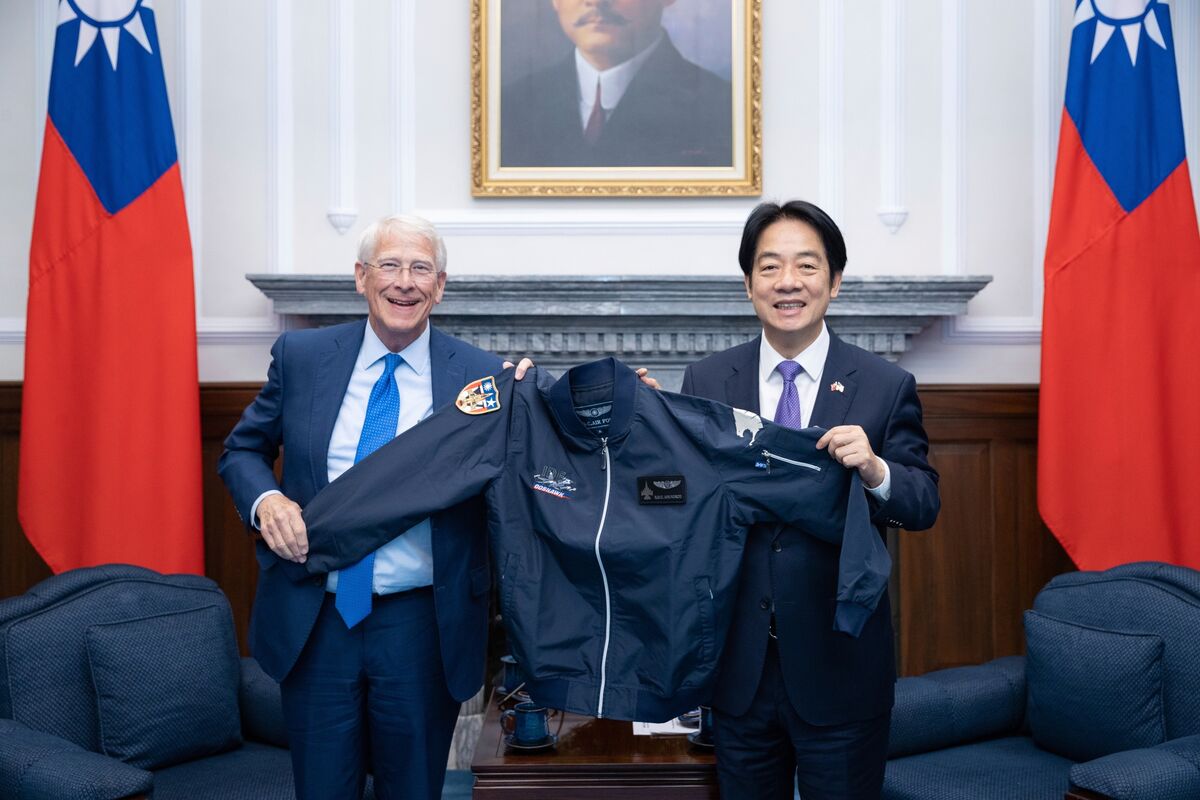
US Senator Dan Sullivan has indicated the feasibility of joint arms production with Taiwan, signaling a potential deepening of military cooperation aimed at bolstering Taiwan's defense capabilities and accelerating critical arms deliveries. This strategic initiative could enhance deterrence against Chinese aggression, presenting significant implications for regional security and defense sector investment.
A statement from US Senator Dan Sullivan regarding the feasibility of joint arms production with Taiwan signals a potential strategic shift in US-Taiwanese military cooperation. This initiative, if pursued, would aim to accelerate the delivery of critical defense systems and bolster Taiwan's domestic defense industrial base, thereby enhancing its deterrence capabilities against potential aggression from China. While no specific corporations have been named, this development points to a significant long-term catalyst for the defense sector. The mixed sentiment and defensive tone associated with this news reflect the dual implications: a positive driver for defense spending and industrial collaboration, but also a considerable escalation in geopolitical risk within the US-China relationship. The low market impact score suggests the market views this as a preliminary political signal rather than an imminent policy change, but its realization would have material consequences for regional security and defense industry contracts.
AI-powered research, real-time alerts, and portfolio analytics for institutional investors.
Request DemoOverall Sentiment
mixed
Sentiment Score
0.00
