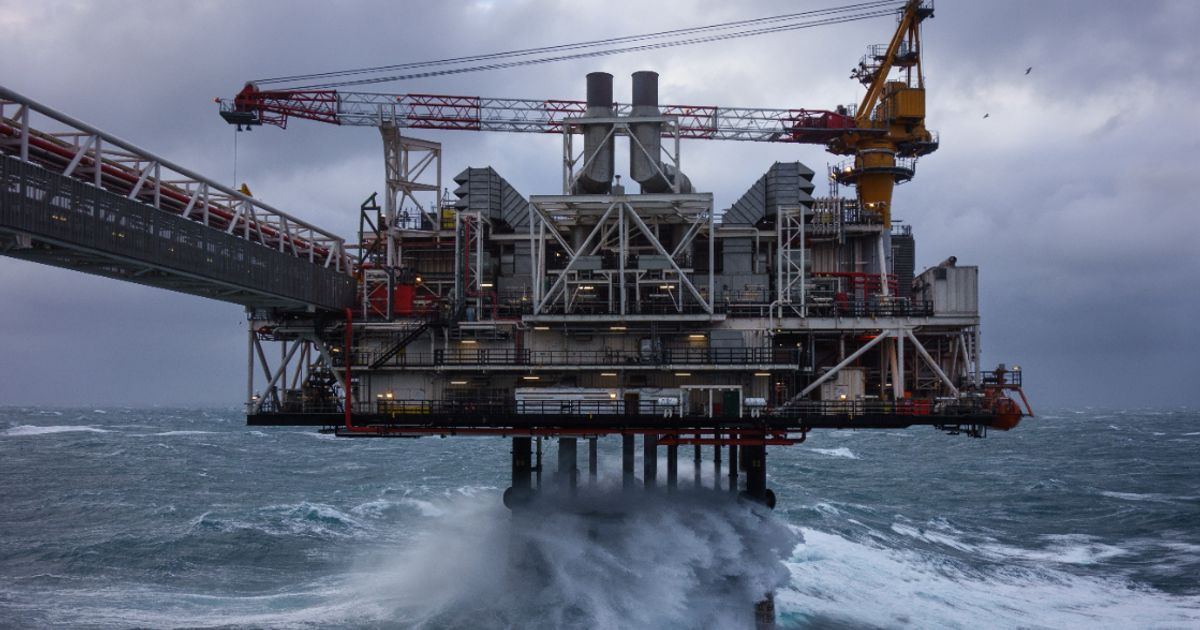
Jersey Oil & Gas' Buchan redevelopment economics improve materially after the UK reset of the Energy Profits Levy, with Cavendish highlighting 84.25% tax offsets for capital invested before the levy ends in March 2030 and a permanent 40% tax rate thereafter. Jersey retains a 20% carried interest, halved annual cash costs to ~£1.5m, held £11m cash at end-2025 and is due £15m ($20m) on FID from JV partners NEO Energy and Serica; it also has >£100m of UK tax losses to optimize post-2030. Operational steps (EIA addendum, value engineering) and partner portfolio expansion reduce policy risk and improve the sanction case, though execution risk and long lead times remain.
Market structure: The fiscal reset (84.25% pre-2030 investment offsets; permanent 40% post‑2030) directly benefits small holders with carried interests (Jersey Oil & Gas — AIM:JOG / OTC:JYOGF) and large partners able to fund capex (NEO, Serica SQZ). Winners: carried‑interest owners, North Sea contractors with near‑to‑medium term backlog; losers: high‑cost greenfield projects and small cash‑starved E&Ps that relied on perpetual tax uncertainty. Net supply effect is marginal to Brent but materially rebalances UK basin investment, increasing medium‑term domestic production and service demand.
Risk assessment: Key tail risks are policy reversal (new UK fiscal change before March 2030), JV partner failure or cost inflation >20–30% that wipes project IRR, and permitting delays from Scope‑3 EIA pushbacks. Immediate risks (days–weeks): market reaction to EIA addendum; short term (3–12 months): FID and £15m partner payment; long term (>2030): first oil timing which must clear tax threshold to capture full benefit. Hidden dependency: Jersey’s economics hinge on partners funding capex and on crystallisation of >£100m UK tax‑loss utilisation post‑2030.
Trade implications: Actionable micro‑positions: small long in JOG (AIM:JOG / OTC:JYOGF) sized 1–3% NAV as binary FID/EIA catalysts unfold; complement with 6–12 month call spread on Serica (SQZ) to capture partner upside while capping premium. Pair trade: long JOG, short a similarly sized, high‑cost UK E&P without tax losses (replaceable with short position in a liquid small‑cap UK E&P ETF) to isolate carried‑interest value. Use stop‑loss 30% and scale in: add on EIA approval (30–90 days), take partial profits at sanction or +75–100%.
Contrarian angles: Consensus underweights political tail‑risk and overestimates immediacy of value — JOG’s cash (£11m), £15m deferred payment and 20% carry materially de‑risks dilution but do not remove execution risk; market may underprice permitting/legal delay risk from Scope‑3 rules. Historical parallel: post‑levy volatility in 2022–24 shows fiscal headline fixes can be reinterpreted; if contractor costs jump >25% or Brent falls >20% from current levels, NPV compresses sharply. Monitor: UK Treasury guidance updates (next 6–12 months), JV funding confirmations, and contractor tender outcomes for cost inflation signals.
AI-powered research, real-time alerts, and portfolio analytics for institutional investors.
Request DemoOverall Sentiment
moderately positive
Sentiment Score
0.35
