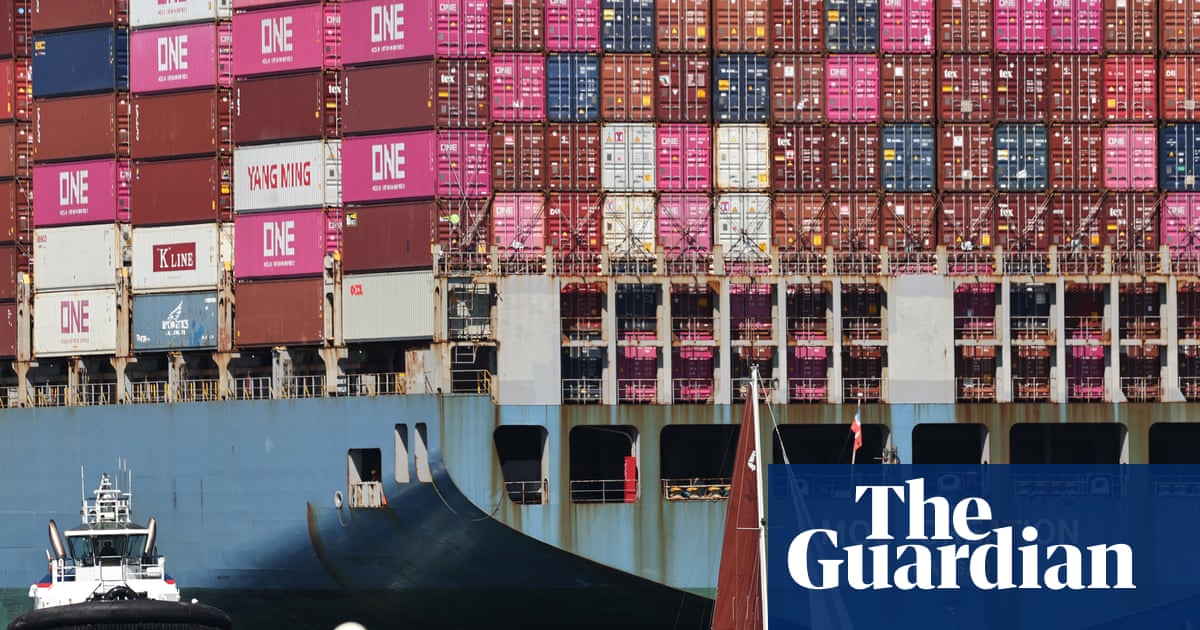
The Trump administration's 90-day tariff pause is nearing its end with few comprehensive trade agreements materialized, raising the prospect of significant new tariffs on dozens of countries, some exceeding 40%. This impending escalation, alongside already elevated tariff levels, is projected to impose substantial costs on US businesses, with mid-sized firms potentially facing an estimated $82.3 billion in additional expenses, and contribute to inflationary pressures for consumers, a concern echoed by Federal Reserve Chair Jerome Powell. Analysts suggest these broad-based tariffs may become a long-term fixture in US trade policy due to their revenue-generating capabilities, signaling persistent economic implications for businesses and markets.
The impending conclusion of the 90-day tariff pause introduces significant market uncertainty, as the Trump administration has failed to materialize its stated goal of securing 90 trade deals. Instead, the US is positioned to implement substantial new tariffs on dozens of countries, with proposed rates reaching as high as 47% on Madagascar and 36% on Thailand. Analysis from the JPMorganChase Institute quantifies the potential impact, estimating an $82.3 billion cost burden on mid-sized US businesses, which could trigger broader economic ripple effects. This aligns with commentary from Federal Reserve Chair Jerome Powell, who affirmed that tariff costs are ultimately passed through to consumers, a view supported by Goldman Sachs, which anticipates rising inflation over the summer. The few agreements reached with nations like the UK and China are characterized by experts as fragile "cessations of hostility" rather than durable trade pacts. Furthermore, insights from Oxford Economics suggest that these high, broad-based tariffs may become a permanent fixture of US policy due to their effectiveness at revenue generation, signaling a potential long-term structural shift away from traditional trade liberalization and toward sustained protectionism.
AI-powered research, real-time alerts, and portfolio analytics for institutional investors.
Overall Sentiment
extremely negative
Sentiment Score
-0.85
Ticker Sentiment
