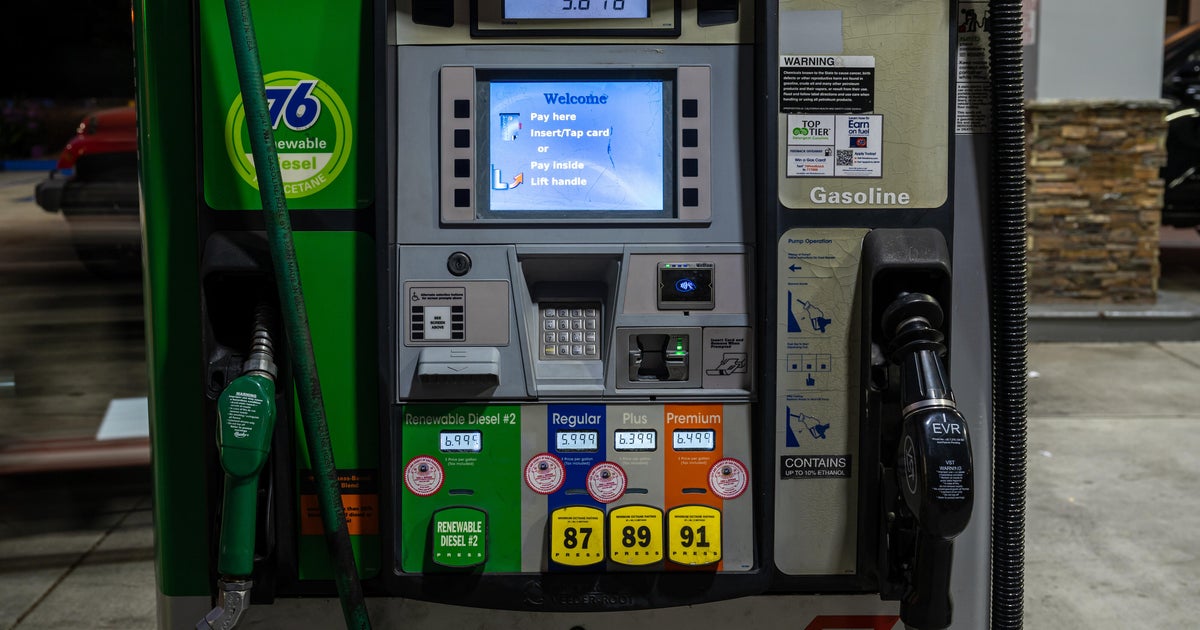
One-fifth of the world’s oil passes through the Strait of Hormuz; the Iran war is driving up crude, gasoline and residential heating oil prices and keeping markets tight. Diesel is rising faster than gasoline due to pre-existing shortages, increasing costs for trucking, shipping and broader goods movement; oil accounts for roughly half the retail gasoline price, so continued disruptions pose upside risk to inflation and transportation costs.
The market move is being driven by a concentrated logistics-risk premium that lives in three instruments: refinery diesel cracks, short-sea tanker timecharter rates, and freight pass-through mechanisms in ground transport. Those three react on different cadences — tanker TCs and headline volatility move in days-to-weeks, refinery crack spreads evolve across weeks-to-months depending on maintenance and regional product flows, and CPI/freight passthrough shows up with a 2–3 month lag in consumer prices. Monitoring these three lead indicators gives earlier signal than headline crude prices alone.
Second-order winners are players that capture product-quality optionality or control transportation bottlenecks: refiners with a diesel-heavy slate and Gulf Coast export capacity (captures export margin) and publicly listed tanker owners who get immediate upside from TC spikes. Losers are margin-sensitive freight providers and input-heavy ag processors that cannot immediately re-price contracts — expect profit-per-mile compression for smaller truckers and working-capital stress for regional distributors. The transmission to broader inflation and to monetary policy is non-linear: a sustained diesel-driven CPI leg would force policy repricing within 3–6 months.
Key catalysts that could extend the move: escalation of attacks causing route rerouting (days), refinery outages that remove regional diesel barrels (weeks), and delayed SPR or strategic diplomatic de-escalation (months). Reversal paths are clear: a credible diplomatic corridor reopening or coordinated SPR release would compress tanker TCs and diesel cracks within 2–6 weeks, while demand destruction from higher mobility costs would knock the top off within a quarter. Watch the diesel-to-gasoline crack ratio, VLCC/Suezmax TC indices, and inventory draws in PADD 3 as high-frequency gauges.
Contrarian lens: the pricing arguably overweights headline route risk versus supply elasticity — US upstream remains near full production and refiners can redirect flows; many US sellers have hedges in place that cap producer benefit. If crack spreads revert to seasonal norms as refinery turnarounds finish, much of the current risk premia could evaporate, creating sharp mean-reversion opportunities in tanker equities and product spreads.
AI-powered research, real-time alerts, and portfolio analytics for institutional investors.
Request DemoOverall Sentiment
mildly negative
Sentiment Score
-0.35
