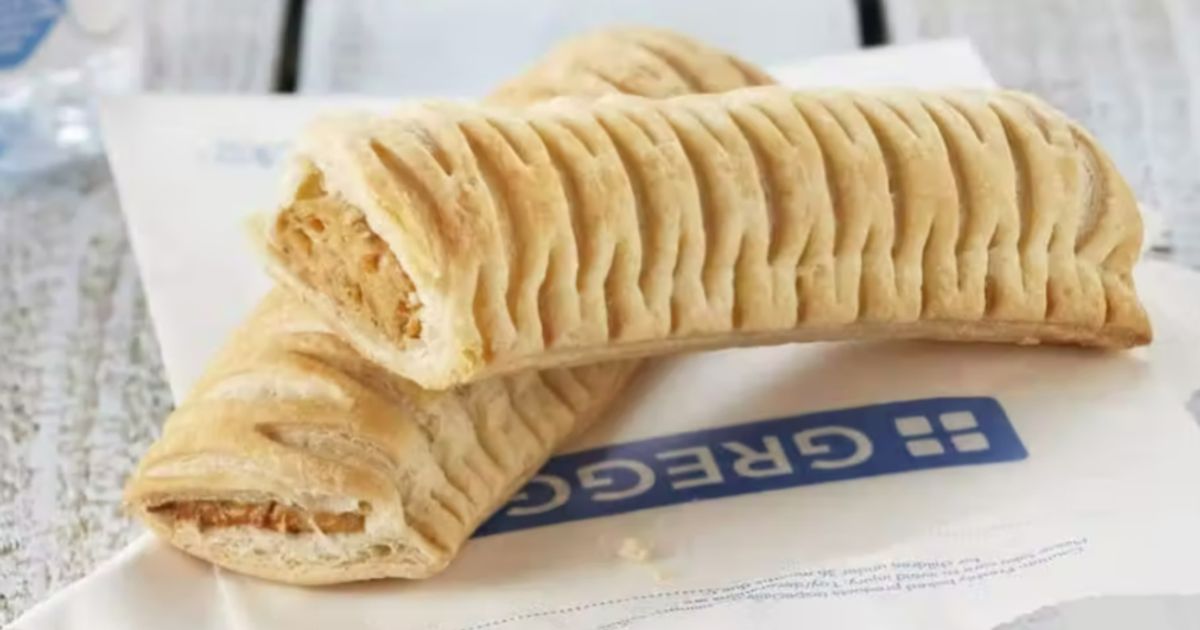
Greggs reported Q4 total sales up 7.4% and company‑managed shop like‑for‑like sales up 2.9%, with full‑year sales for FY25 rising 6.8% to £2.151bn and like‑for‑like company‑managed sales up 2.4%. Management said subdued consumer confidence continued to weigh on the food‑to‑go market despite year‑on‑year market share gains, ending the year with net cash of £47m and forecasting significantly lower capital expenditure in 2026 as supply‑chain capacity investments become operational. The trading update was described as “solid” by commentators, but Greggs shares fell just over 8% to 1,628p in early trade, reflecting cautious investor sentiment despite the resilient top‑line performance.
Market structure: Greggs (GRG.L) is a clear winner among low-cost food-to-go operators — FY25 sales +6.8% to £2.151bn and LFL +2.4% show resilience versus a weak market, and management says market-share of visits rose. Smaller independents and premium food-to-go chains are losers as consumers trade down; pricing power is modest but scale-driven supplier cost improvements (supply‑chain capacity coming online in 2026) should widen gross margins by mid‑to‑late 2026 if implemented on schedule. Cross-asset: continued consumer softness keeps BoE hawkishness in check, likely capping UK gilt yields near-term and sustaining GBP sensitivity; food commodity exposure is moderate but concentrated to bakery inputs (wheat, oil).
Risk assessment: Tail risks include a sharp consumer confidence shock (LFL cut >5% would be high-impact), a major supply-chain delay or food-safety recall, or commercial property cost inflation on lease renewals; net cash £47m limits balance-sheet shock absorbers. Immediate (days) risk = sentiment-driven price volatility (observed −8% drop); short-term (weeks–months) hinge on January trading and guidance clarity; long-term (2026+) depends on successful supply-chain capacity ramp and lower capex delivering >100–200bps margin improvement. Hidden dependency: margin improvement assumes throughput growth; failing to capture incremental volume would compress returns on the recent investment programme.
trade implications: Take a modest tactical long in GRG.L sized 2–3% of equity risk with defined stops (buy zone 1,550–1,650p; target 1,900–2,000p within 6–12 months; stop 1,350p) to capture re‑rating as capacity reduces unit costs and capex normalises. Use options to size conviction: buy Jan 2027 1,600/2,000p bull-call spread to cap premium (breakeven ~1,650p) or sell 6–9 month covered calls (strike ~1,900–2,000p) to harvest yield while waiting for operational leverage. Pair trade: long GRG.L vs short DOM.L (Domino’s) 1:0.5 to express relative resilience of value, adjusting hedge ratio to beta; unwind on GRG >2,000p or DOM outperforming by >15% in 3 months. Contrarian angle: the 8% intraday fall likely overstates downside from a solid operational update — market priced in worse; if supply‑chain benefits materialise, re-rating of mid‑teens multiple by 2–4pts is plausible, implying 15–25% upside over 12 months.
AI-powered research, real-time alerts, and portfolio analytics for institutional investors.
Request DemoOverall Sentiment
mixed
Sentiment Score
0.05
Ticker Sentiment
