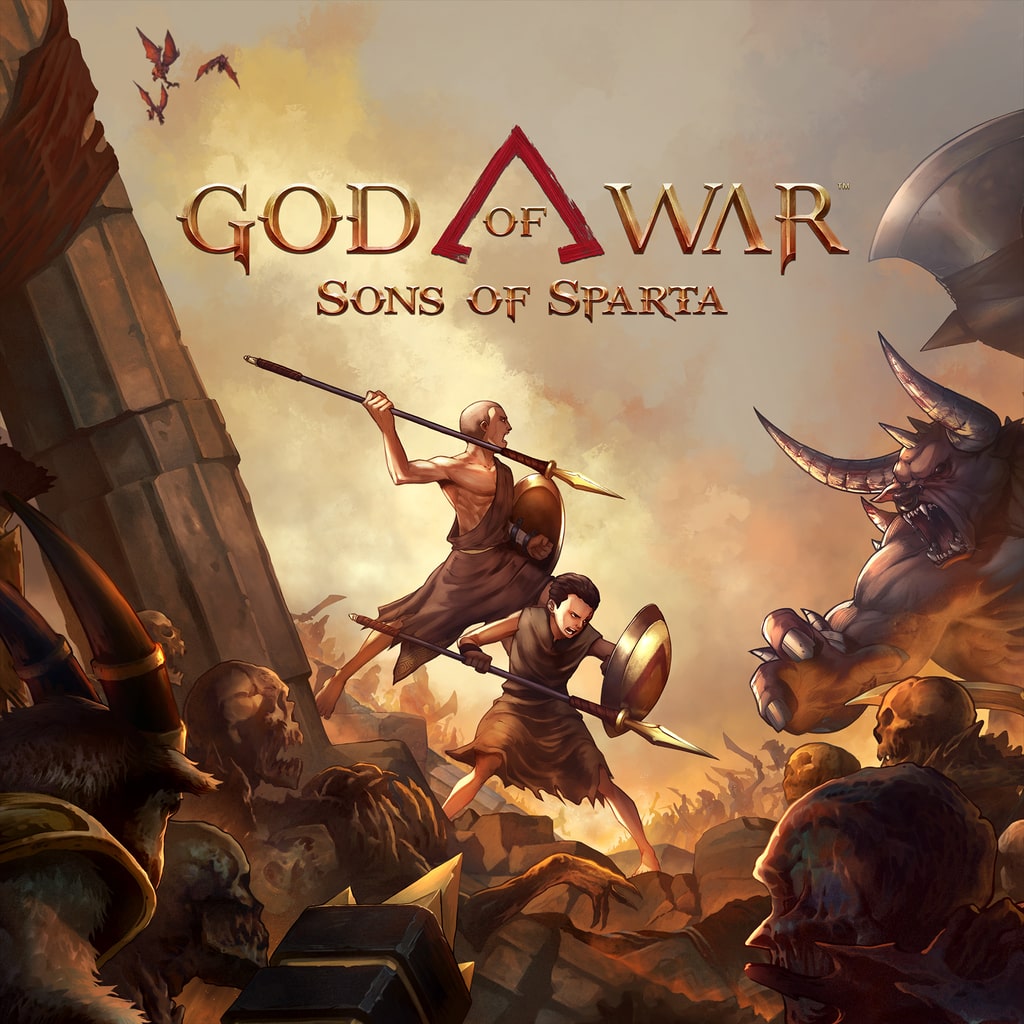
This is a promotional description of an untold prequel chapter in the God of War franchise focusing on a young Kratos and his brother Deimos during Spartan training after a fellow cadet goes missing. The content highlights narrative and franchise development rather than financial metrics; no release dates, publishers, or monetization details are provided, though continued franchise expansions can support future content pipelines and consumer engagement.
Market structure: A high-profile franchise origin story primarily benefits platform owner Sony (NYSE:SONY), first-party studio economics (higher margin per unit) and engine/licensing partners (Unity, NYSE:U). Winners: SONY (software sales, PS+ subscriptions, merch/licensing) and mid-cap peripherals/IP licensors; losers: multi-platform third-party publishers that lose consumer attention and multiplatform marketing share. Expect a modest reallocation of consumer spend rather than industry-wide pricing power shifts; incremental software revenue of ~1–2% of Sony’s games segment per 1–2M first-month unit sales.
Risk assessment: Tail risks include poor critical reception (Metacritic <75) driving <50% of forecast sales, regulatory scrutiny on in-game monetization (loot-box rules in EU/UK) reducing DLC revenue by 10–30%, or supply constraints for special edition hardware. Immediate (days) effects: social/PR momentum; short-term (0–3 months): launch sales cadence; long-term (3–12 months): recurring revenue from DLC/merch. Hidden dependency: exclusivity preserves Sony upside — a cross-platform release would materially reduce capture rate.
Trade implications: Direct plays favor modest, time-boxed exposure to SONY (12-month horizon) and a small volatility play in NVDA (NVDA) on GPU demand if PC remastering occurs. Pair: long SONY / short Take‑Two (TTWO) over 3–6 months captures asymmetric upside from exclusive IP vs. broadly diversified publishers. Use defined-risk option structures (3-month call spreads) to limit downside and tie entry to observable triggers: first-week sell-through >1M units or Metacritic ≥80.
Contrarian angles: Consensus will treat this as a marketing blip; the market underprices long-tail monetization (DLC, remasters, streaming tie-ins) which can add 15–25% to lifecycle value if executed well. Reaction could be underdone (small-cap licensors re-rate) or overdone (expecting immediate massive console sales). Historical parallel: franchise prequel launches (e.g., “Horizon Forbidden West” type cadence) showed 20–30% revenue acceleration over 12 months when DLC and merchandising succeed; failure modes are concentrated on content quality, not distribution.
AI-powered research, real-time alerts, and portfolio analytics for institutional investors.
Request DemoOverall Sentiment
neutral
Sentiment Score
0.00
