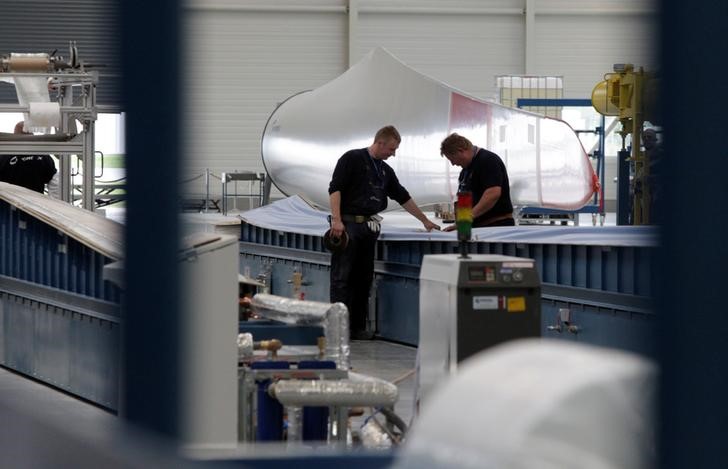
BofA downgraded Nordex SE to "neutral" from "buy" with a €50 price objective vs the current €45.54, citing limited upside after a 56% YTD share surge. The bank trimmed 2026 and 2027 adjusted EBITDA by 2.4% and 1% to €949m and €1.15bn, projects revenue rising from €7.55bn (2025) to €9.24bn (2026) and €10.57bn (2027), and forecasts EPS of €2.23 (2026), €2.89 (2027) and €3.55 (2028). BofA flagged risks from nearly doubled oil prices YTD (fuel on outbound freight ≈1% of sales) and >30% sourcing from China that could face disruption; valuation at 7.6x 2027E EV/EBITDA is ~20% above its ten-year average, underpinning the downgrade.
The industry shock we should model is not just higher input or transport costs but the liquidity and working-capital transmission through the turbine manufacturing ecosystem. Smaller component suppliers and regional assemblers face concentrated short-term cashflow stress when fuel-driven freight or refinery-driven logistics tighten, which tends to compress OEM gross margins only after a 2–6 month lag as invoices, claims and price-escrows ripple through contract chains.
Second-order winners will be manufacturers and integrators with long-term shipping contracts, verticalized logistics, or concentrated local supply footprints — they convert a market-wide dislocation into relative market share gains by securing priority vessel slots and pass-through clauses. Conversely, players that rely on spot-forward freight, have high part diversity, or limited escrow protections will see working-capital cycles lengthen and need to finance receivables, increasing leverage and default risk among Tier-2/3 suppliers over the next 6–18 months.
Regulatory and infrastructure constraints in Europe create asymmetric demand elasticity: if grid bottlenecks slow installations, OEM orderbooks turn from a capacity-constrained to a demand-constrained problem, amplifying margin pressure on those who lack service/maintenance annuities. The clearing mechanism is binary — either logistics normalize (3–9 months) and OEM margins recover, or continued transitory shocks accelerate consolidation with M&A and supplier re-shoring taking 12–36 months to materialize.
Key catalysts to watch are (1) freight fuel cost curves and bunker fuel derivative volumes over the next two quarters, (2) supplier EBITDA revisions and covenant waivers in upcoming earnings seasons, and (3) announced shifts in localization or long-term shipping contracts which typically precede durable market-share moves by 6–12 months.
AI-powered research, real-time alerts, and portfolio analytics for institutional investors.
Request DemoOverall Sentiment
neutral
Sentiment Score
0.00
Ticker Sentiment
