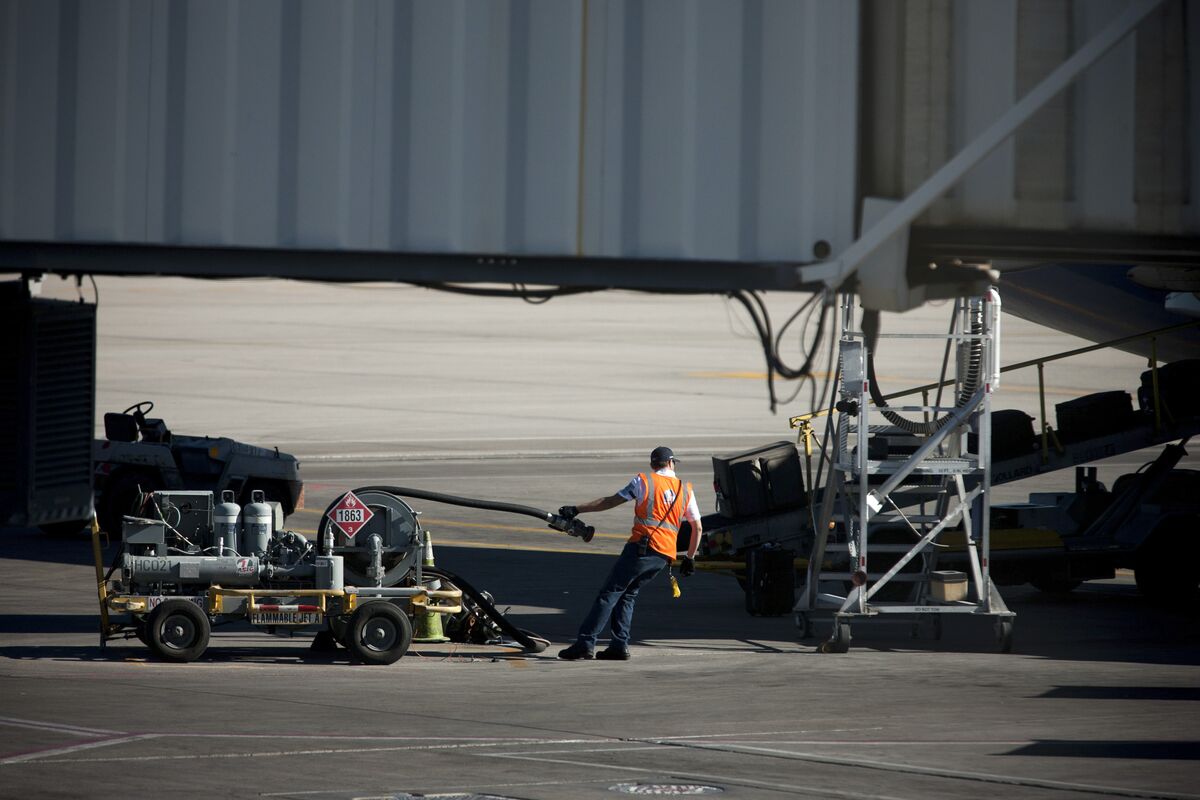
U.S. refiners are producing record volumes of jet fuel but have little spare export capacity, limiting the ability to relieve global shortages. President Trump urged nations facing shortages due to Iran blocking the Strait of Hormuz to buy more U.S. jet fuel, but constrained export capacity means tight supplies are likely to persist and put upward pressure on jet fuel prices and aviation fuel margins.
Physical constraints, not rhetoric, set the near-term price path: US refiners can only divert a small fraction of their barrel slate to jet kerosene without expensive run-slate changes or incremental processing (hydrotreating/merox) — in practice incremental exportable jet volumes are probably <200 kbpd absent major turnarounds or yield sacrifices. Bottlenecks are concentrated at Gulf Coast docks, pipeline export trunks and VLGC/AFRA tanker availability; meaningful additional flows therefore require 4–12 weeks to reconfigure logistics or add storage, not an overnight policy fix.
The clearest beneficiaries are pure-play refiners and Gulf export terminals with flexible middle-distillate yields — they capture near-term crack expansion and payback on capital to increase kerosene output is measured in quarters. Losers are airlines (jet fuel is an unavoidable variable cost) and inland transporters if diesel displacement and blending spreads spill into ULSD; integrated majors are insulated relative to merchant refiners since production and trading desks can blunt short windows of stress. Second-order: tighter jet/ULSD cracks raise working capital needs for cargo carriers, push hedging demand into the options market, and increase short-term physical storage values, favoring storage owners and liquidity providers.
Tail risks and reversal catalysts are obvious and time-bound: a diplomatic de-escalation or coordinated SPR release could compress cracks within days–weeks; refinery turnarounds scheduled over the next 6–12 weeks could temporarily worsen supply but then relieve pressure once completed. Insurance premiums or shipping frictions could tighten physical availability further, making a slow burn to higher forward curves over 3–6 months more likely than a single spike. Market positioning is thin — if jet cracks remain elevated into the fall, expect airlines to accelerate capacity cuts or hedging purchases, which becomes a feedback loop supporting prices for 3–9 months.
AI-powered research, real-time alerts, and portfolio analytics for institutional investors.
Request DemoOverall Sentiment
neutral
Sentiment Score
0.00
