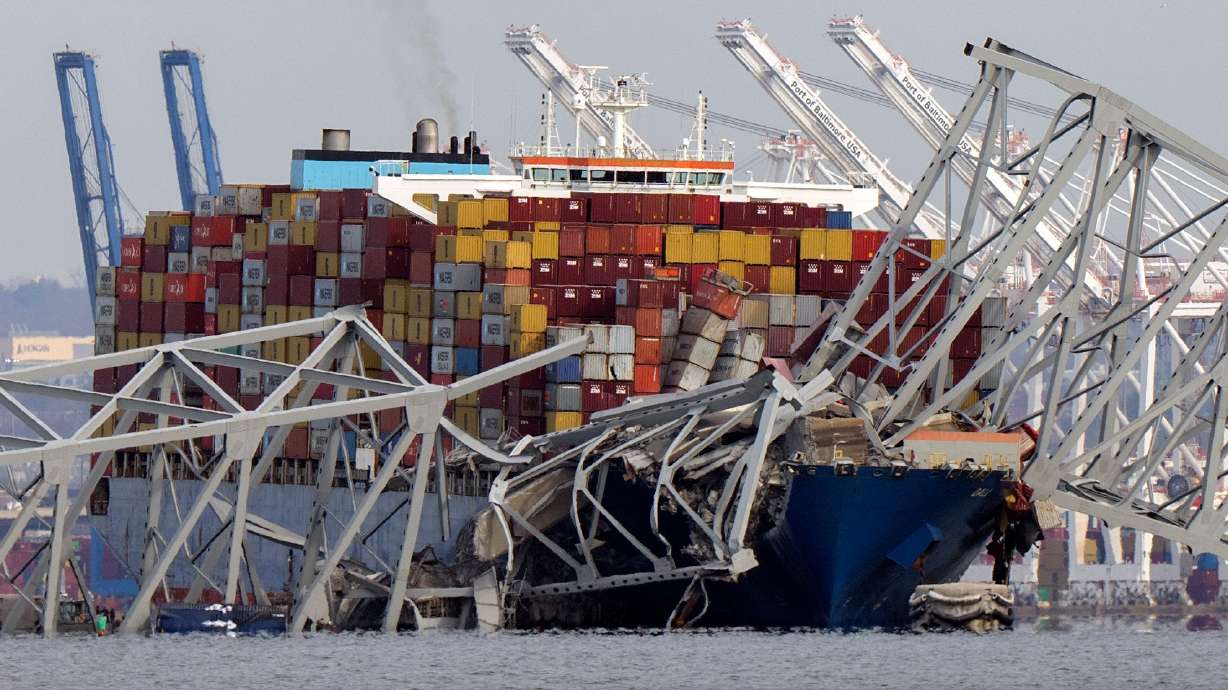
Federal prosecutors have charged Synergy Marine and employee Radhakrishnan Karthik Nair over the 2024 Francis Scott Key Bridge collapse that killed six workers and shut the Port of Baltimore. The indictment alleges the Dali lost power twice due to preventable operational failures, while Maryland estimates bridge replacement costs at $4.3 billion to $5.2 billion and reopening in late 2030. The case adds legal and financial pressure to the shipping operator and related parties, even as a separate settlement in principle was previously announced.
This is less about headline liability and more about a multi-year re-rating of maritime operational risk. The most immediate second-order effect is on U.S. port and marine liability pricing: insurers will not wait for a final verdict to widen cargo, P&I, and contractor premiums, especially for vessels calling dense East Coast channels where a single propulsion failure can create catastrophic third-party losses. That pressure should be most visible in renewal cycles over the next 6-18 months, with the cost eventually passed through to shippers, port operators, and consumers in low-margin inland supply chains.
The legal process also increases the probability of a larger settlement stack and more aggressive contribution claims across the value chain. Even if the operator bears the primary hit, counterparties such as ship managers, class, maintenance vendors, and potentially shipbuilders become more exposed to discovery risk and indemnity disputes; that tends to elongate cash outflows and suppress resale values of older tonnage. The commercial winner is not a single company but the broader ecosystem of marine survey, compliance, and safety-tech providers that can monetize a ‘prove your redundancy’ mandate.
The market may be underestimating how much this reinforces regulatory pressure on port-adjacent infrastructure and tug/escort requirements. If authorities respond with stricter pre-departure certification and stronger notification rules, turnaround times at major U.S. ports can lengthen modestly, which is mildly inflationary for freight but bearish for shippers with weak contracting power. The key catalyst window is 3-12 months: any additional findings that point to known equipment issues before departure would likely trigger a fresh leg lower in names with exposed marine liability profiles and old fleets.
AI-powered research, real-time alerts, and portfolio analytics for institutional investors.
Request DemoOverall Sentiment
strongly negative
Sentiment Score
-0.55
