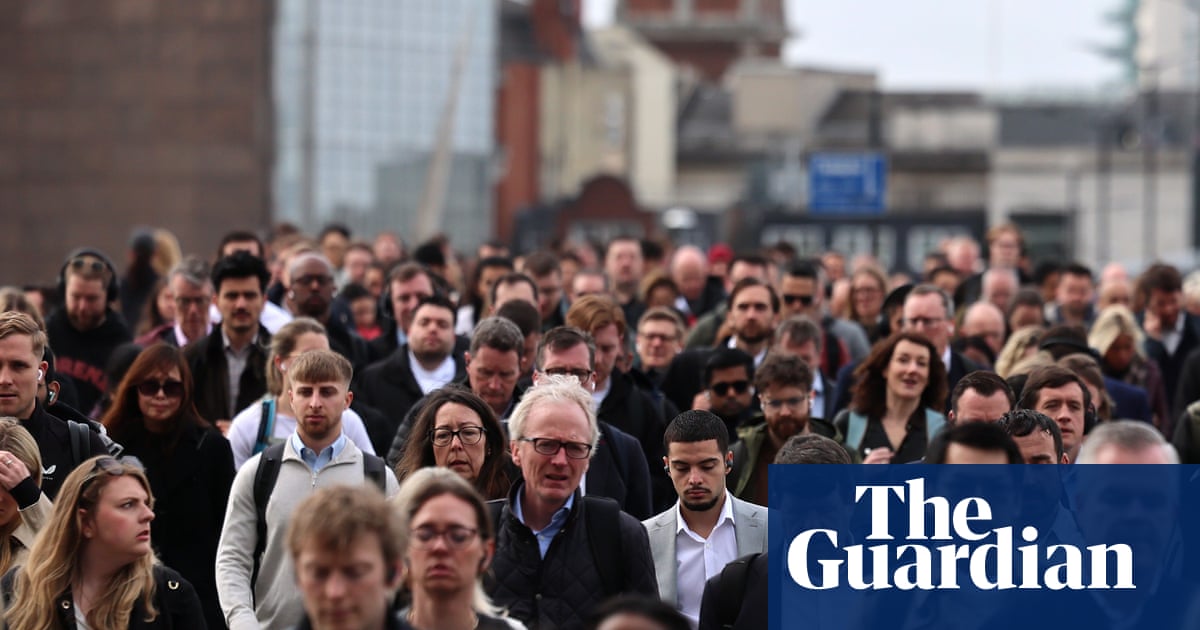
Britain’s tax wedge on workers rose 2.45 percentage points last year, the largest increase among OECD economies, driven by higher employer national insurance contributions and fiscal drag. The UK’s tax wedge still stood below the OECD average at 32.4%, but the rise adds to pressure on Labour’s economic agenda amid criticism over taxes, spending, and employment. The article also highlights heightened downside risk from the Iran war, which could worsen unemployment and weigh on UK growth.
The key market implication is not a one-off labor-cost shock, but a ratchet higher in unit labor intensity at exactly the point where UK growth is already fragile. Employer-side taxes plus wage-floor pressure compress margins first in labor-heavy subsectors, then force a second-order cutback in hiring, hours, and capex; that means the damage to consumption is lagged but persistent, showing up over 2-4 quarters rather than immediately. The most exposed cash flows sit in hospitality, travel, staffing, discretionary retail, and outsourced services where labor is the largest controllable cost and pricing power is weak.
The bigger macro risk is policy inertia. Once thresholds and employer charges move against payroll, the adjustment is sticky and only reversed by a growth scare, so the downside skew is to more tax take and softer employment rather than a quick policy reset. In practice, the fiscal drag also creates a stealth tax hike on mid-income households, which is more damaging to marginal consumption than headline income tax changes because it hits the cohort with the highest propensity to spend.
A second-order trade is relative competitiveness: UK-listed firms with offshore revenue streams or low domestic labor intensity should outperform domestic cyclical names, while UK small caps remain vulnerable because they lack pricing power and financing flexibility. If the Middle East shock widens and energy/import costs rise, this compounds the wage-tax squeeze by widening the gap between nominal and real pay, raising the odds of a consumer-led earnings recession. The market may still be underpricing how quickly employers react by freezing headcount ahead of formal layoffs, which can flatten payroll growth before unemployment spikes.
AI-powered research, real-time alerts, and portfolio analytics for institutional investors.
Request TrialOverall Sentiment
mildly negative
Sentiment Score
-0.35
