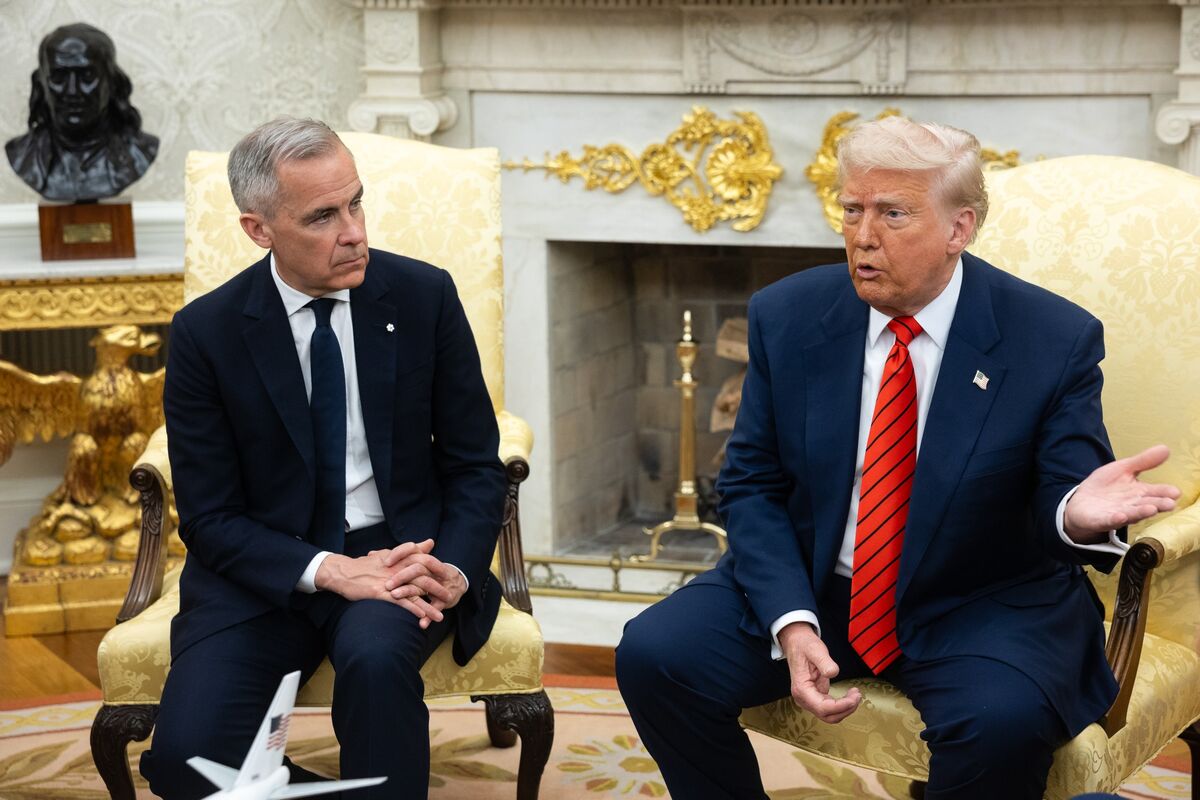
The G-7 summit next week will forgo a joint communique due to disagreements between the U.S. and other members on issues including Ukraine and climate change. Instead of a unified statement, individual statements from leaders on specific topics are expected, reflecting the current divisions within the group.
The upcoming Group of Seven (G-7) summit in Canada is poised to break from precedent by not issuing a joint communique, a development signaling substantial policy disagreements, notably between the United States and other member states. This decision, as reported by individuals familiar with the deliberations, stems from a 'wide gulf' on critical international matters such as the conflict in Ukraine and climate change initiatives. Instead of a unified declaration, G-7 leaders are expected to release standalone joint leaders’ statements on various topics, a move that underscores the current lack of consensus and potential for fragmented policy approaches among these leading economies. This situation is accompanied by a 'moderately negative' sentiment (score -0.4) and an 'uncertain' overall tone, reflecting heightened geopolitical unpredictability and potential challenges in coordinating global responses. The identified themes of 'Geopolitics & War,' 'ESG & Climate Policy,' and 'Trade Policy & Supply Chain' pinpoint the core areas of discord, and the development carries a moderate potential for market impact (score 0.45) as it implies reduced cohesion among major economic powers.
AI-powered research, real-time alerts, and portfolio analytics for institutional investors.
Request DemoOverall Sentiment
moderately negative
Sentiment Score
-0.40
