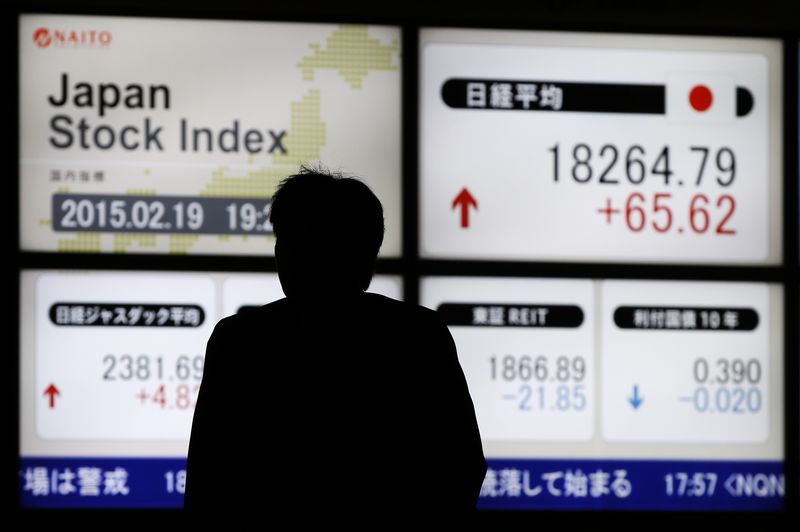
Traders placed $580M in oil bets minutes before Trump's Iran post; crude futures rose ~2.8% (WTI May $90.60, Brent Jun $98.64). The Nikkei 225 closed +1.56% with Tokio Marine up 17.07% to an all-time high, Nikkei volatility jumped 16.71% to 40.93, and USD/JPY traded at 158.59.
Large, concentrated pre-news positioning in crude is acting like a short-dated gamma shock to energy markets: dealers who sold options are now forced to hedge delta into price moves, amplifying intraday moves and steepening near-term implied-volatility/skew. That creates a two-week window where directional oil exposure (or short-vol trades into the squeeze) can produce outsized returns, but also generates sharp mean-reversion risk when dealer books get rebalanced or a liquidity provider steps in.
For Japan and cross-asset flows, elevated equity volatility and a stronger dollar/JPY regime magnify FX-translated profit/loss for exporters and domestic commodity importers, increasing demand for FX and commodity hedges. The knock-on is tactical margin pressure for refiners and commodity-consuming industrials over the next 1–3 months; cashflow reallocation to hedges and working capital is the likely transmission channel rather than immediate capex shifts.
Key catalysts to watch: near-term (days–weeks) is options gamma expiry, large SPR/sales announcements, or an OPEC+ operational statement; medium-term (1–6 months) is Chinese seasonal demand and any escalation/de-escalation in Middle East supply risk. A failed supply disruption (no physical outages) or coordinated release of strategic stocks is the most probable mean-reversion trigger that would unwind the risk premium quickly and punish long-only oil directional carries.
AI-powered research, real-time alerts, and portfolio analytics for institutional investors.
Overall Sentiment
neutral
Sentiment Score
0.08
