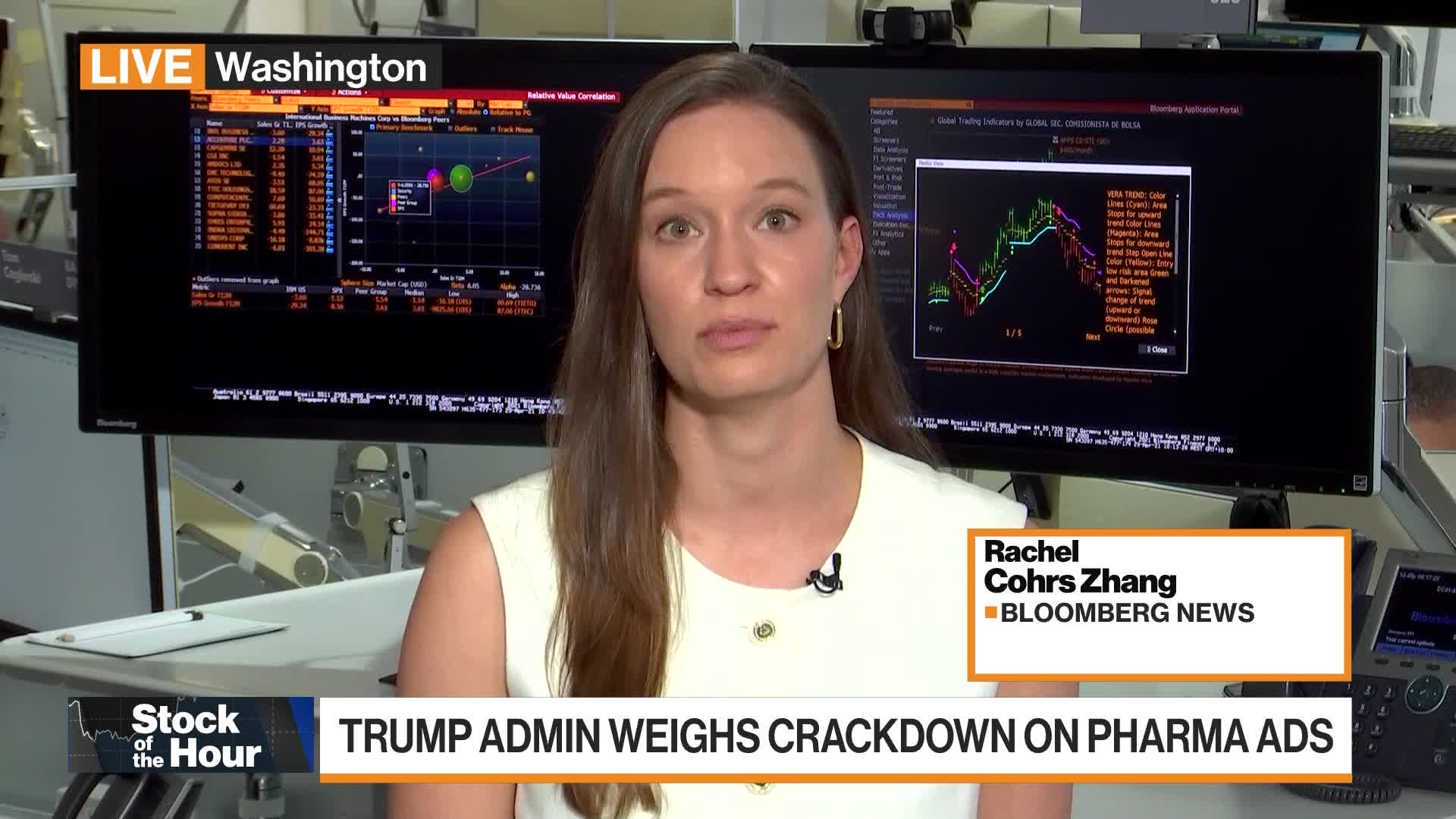
The Trump administration is considering policies that would restrict pharmaceutical companies' ability to advertise directly to consumers, potentially impacting over $10 billion in annual ad spending. This move could significantly alter the marketing strategies of pharmaceutical firms and the revenue streams of media companies that rely on their advertising dollars.
The Trump administration is contemplating new policies designed to make direct-to-consumer (DTC) pharmaceutical advertising more challenging and costly, a move that could significantly impact over $10 billion in annual advertising spending. This potential regulatory overhaul represents a notable headwind for the pharmaceutical sector, likely compelling companies to reassess their marketing strategies and potentially affecting the sales trajectory of products heavily reliant on DTC promotion. Concurrently, media companies that depend on this substantial advertising revenue stream face potential negative repercussions. The market's reaction, indicated by a "strongly negative" sentiment score of -0.6 and a "bearish" tone, alongside a market impact score of 0.6, underscores the perceived adverse consequences of such policy changes, primarily affecting the Healthcare & Biotech and Media & Entertainment industries.
AI-powered research, real-time alerts, and portfolio analytics for institutional investors.
Request DemoOverall Sentiment
strongly negative
Sentiment Score
-0.60
