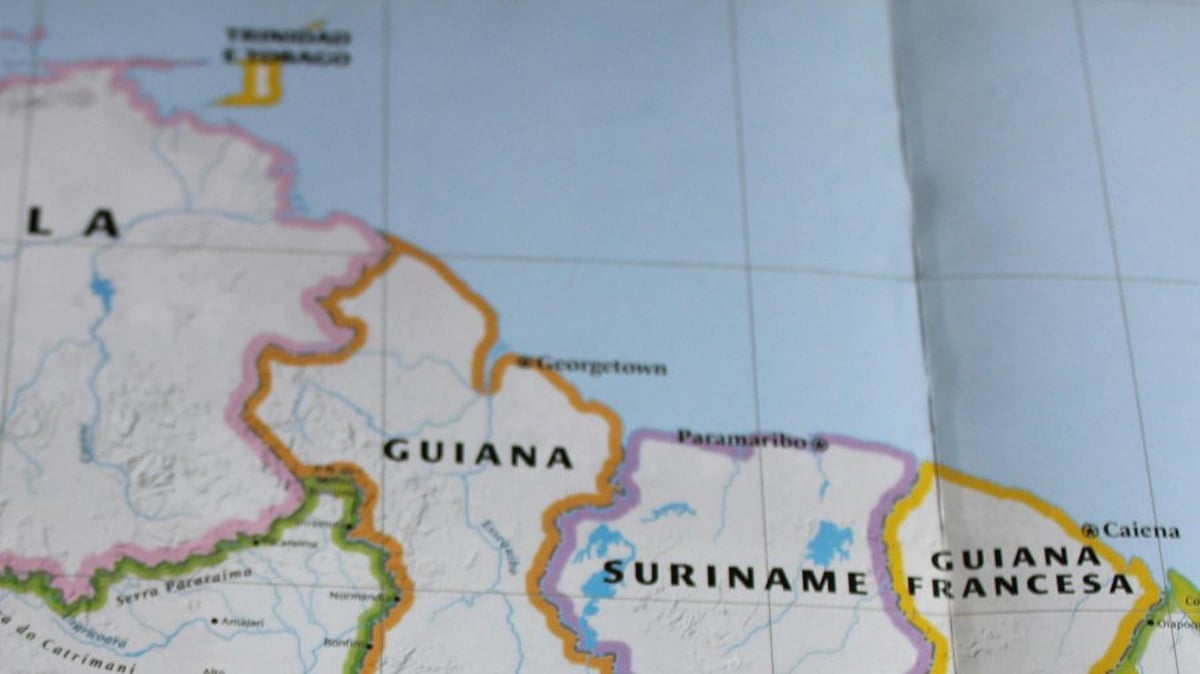
Suriname’s Staatsolie managing director flagged strong interest in a cross-border gas pipeline with Guyana to boost regional gas availability as both countries accelerate offshore oil and gas development. Exxon Mobil’s consortium is scaling Guyana crude output and targeting non-associated gas production in coming years, TotalEnergies-led Gran Morgu (a $12 billion project) in Suriname is expected to start oil output in 2028, and Petronas’ Sloanea gas project (Block 52) is expected to reach FID this year after being declared commercial in 2025. While the proposals form part of a broader ‘energy corridor’ concept including French Guiana and Brazil, no concrete integration steps have been taken, so commercial upside is prospective rather than immediate.
Market structure: A Guyana–Suriname pipeline favors upstream producers with stranded/non‑associated gas (Exxon/XOM exposure to Guyana) and integrated majors financing midstream (TotalEnergies/TTE). Midstream engineering, pipeline contractors and regional power/offtake buyers win via lower transport costs and higher deliverability; LNG spot sellers and short‑haul LNG shipping could see marginal demand erosion in Caribbean/NE South American markets. Expect localized gas price compression (regional gas basis down 10–25% vs current regional premiums if pipeline advances) but limited immediate impact on Henry Hub or global LNG unless corridor scales to Brazil exports.
Risk assessment: Tail risks include failed intergovernmental agreements, regulatory delays, indigenous/community litigation, capex overruns (+30–50% vs budget) and commodity price swings that make FIDs uneconomic. Immediate effects (days) are minimal; watch short‑term (weeks–months) catalysts: Petronas Sloanea FID and government MOUs; long‑term (2–5 years) is material—pipeline commissioning shifts regional supply curves and midstream returns. Hidden dependencies: financing (sovereign guarantees, ECA cover) and local power off‑takers’ creditworthiness; a Suriname sovereign stress event would threaten project economics.
Trade implications: Tactical long in XOM (logical proxy for Guyana gas monetization) and selective long in TTE (Suriname oil plus midstream optionality) while avoiding pure LNG spot carriers that lose regional cargoes. Use option structures (12‑18 month call spreads) to cap downside and target 10–25% IRR if FIDs proceed. Rebalance EM sovereign exposure: reduce duration on Suriname sovereign debt and avoid underwriting pipeline project bonds unless ECA/major credit wrapping is confirmed.
Contrarian angle: Consensus underrates midstream value capture—pipeline reduces flaring, raises gas sales volumes and could materially lift integrated majors’ project IRRs; markets may underprice that until hard contracts surface. Reaction is underdone for XOM/TTE 12–24 month optionality; overdone on small LNG carrier names that face structural regional demand shrinkage. Historical parallel: East Africa gas discoveries showed multi‑year value transfer to midstream once cross‑border export commitments were signed; absence of a binding IGA is the key binary.
AI-powered research, real-time alerts, and portfolio analytics for institutional investors.
Request DemoOverall Sentiment
mildly positive
Sentiment Score
0.22
Ticker Sentiment
