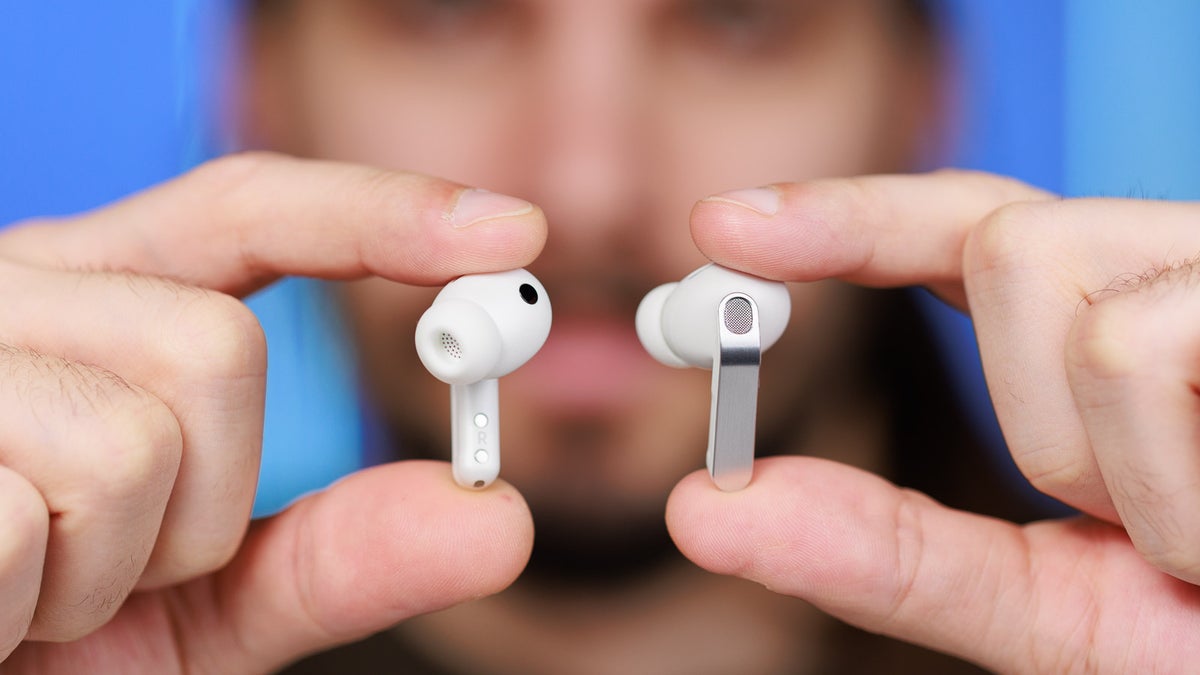
An APK teardown found references to a new Samsung product labeled "Galaxy Buds Able" with model SM-U600, an unfamiliar SM-U prefix that suggests a new product category rather than a refresh. Commentary highlights the possibility Samsung is targeting accessibility/OTC hearing-aid functionality (following Apple's FDA-cleared AirPods Pro 2) or alternatively a fitness/BLE-focused device; branding strings also appear as "Galaxy Able," not "Buds Able." Impact on Samsung's stock is likely limited near term, but entry into hearing-assistive devices could materially expand its addressable market if realized.
Samsung's use of an unfamiliar product family and model namespace implies a strategic move beyond incremental earbuds — the likely objective is to create a mass-market bridge between consumer audio and regulated hearing assistance. If Samsung pursues OTC hearing-capable earbuds or a hybrid accessory, adoption dynamics will be driven by price elasticity more than premium audio features: capturing even 10–20M incremental users over 24 months would meaningfully expand the addressable wearable-audio TAM and reroute replacement cycles from traditional hearing-aid channels.
Supply-chain winners will be component and IP providers that can scale low-power MEMS mics, near-ear DSP/ML stacks, and FDA-friendly acoustic profiling software; losers are niche clinical-hearing incumbents whose margins rely on high ASPs and channel control. Samsung’s vertical manufacturing muscle and existing supplier relationships (SEMs, internal audio ASIC design) mean third-party content-per-device gains are conditional — expect a binary outcome: either Samsung outsources at scale (upside for CRUS/KN/AAC) or internalizes (steeper headwinds for suppliers).
Regulatory and competitive catalysts are decisive: an OTC/hearing-class launch requires clinical validation and possibly regulatory submissions that create 6–18 month visibility windows. Market impacts will therefore play out in stages — initial product announcement and demo (3–6 months), regulatory signaling (6–12 months), and scaled distribution (12–36 months) — with price compression risk of 20–40% for traditional hearing-aid ASPs if consumer earbuds become accepted substitutes.
Key second-order effect: broader acceptance of hearing-assist earbuds materially lowers the social friction for assisted-listening features, accelerating ancillary services (subscription audiology, firmware upgrades, cloud-based profiles) and creating recurring-revenue levers that incumbent consumer audio OEMs have largely under-monetized to date.
AI-powered research, real-time alerts, and portfolio analytics for institutional investors.
Request DemoOverall Sentiment
mildly positive
Sentiment Score
0.15
Ticker Sentiment
