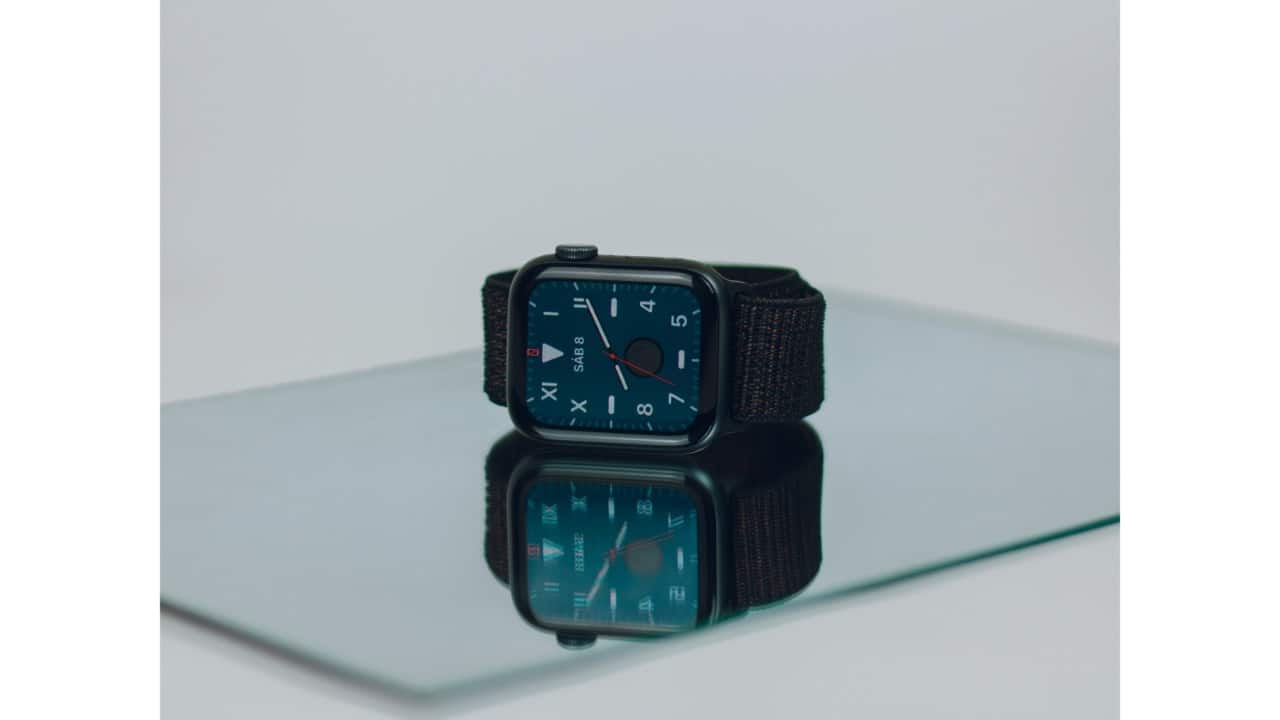
A wearable breath-analysis device called Isaac is entering human clinical trials at Indiana University to compare acetone-based breath readings with traditional blood glucose monitors, initially in adolescents with type 1 diabetes and expanding to adults with type 2, with the developer aiming for an FDA review within a year. The pendant-sized prototype, roughly the footprint of an Apple Watch, supports periodic non-invasive glucose testing and, if validated and approved, could validate a detection method that Apple and other device-makers might miniaturize and commercialize over time, improving accessibility but not yet providing continuous real-time monitoring.
Market structure: An FDA‑validated breath glucose method would expand the non‑invasive diabetes market and create new winners among wearable OEMs (AAPL), sensor miniaturizers, and device software/data platforms. Incumbent CGM vendors (DXCM, ABT, MDT) face mixed impact: limited near‑term revenue loss because Isaac targets periodic screening (type 2/undiagnosed) while CGMs serve continuous management (type 1/high‑risk), but long‑run margin pressure is possible if wearables capture screening and early diagnosis at scale (5–10% addressable mix shift over 3–5 years). Pricing power for premium wearables could rise; commoditization risk grows for standalone CGMs.
Risk assessment: Key tails include FDA rejection or failing concordance vs blood glucose (high impact, low prob but would wipe out adoption expectations), IP litigation with Apple or supplier bottlenecks, and false positives that trigger regulatory safety concerns. Time horizons: immediate (days) — newsflow and sentiment; short (3–12 months) — trial readouts and FDA submission cadence; long (1–5 years) — miniaturization and integration into watches. Hidden dependencies: data/privacy regulation, reimbursement pathways, and detection accuracy across populations (BMI, smoking) could materially slow adoption.
Trade implications: Tactical: establish a modest 2–3% long AAPL exposure for asymmetric upside (buy 9–12 month LEAP calls sized to 1–2% portfolio) anticipating validation and long‑term product optionality; hedge with a small 0.5–1% put spread on DXCM (e.g., 6–9 month bear put spread) to protect against CGM share loss. Pair trade: long AAPL vs short DXCM/MDT on 6–12 month basis if trial cadence accelerates; rotate 1–3% from pure insulin/CGM names into health‑data plays and UI/UX suppliers. Options: consider buying out‑of‑the‑money AAPL calls at 9–12 months rather than short dated calls — low delta optionality to capture multi‑quarter product optionality.
Contrarian angles: Consensus underestimates that initial breath devices are complementary, not substitutive — screening could enlarge the diagnosed market by >10% over 3 years, benefiting labs/insurers (UNH) and data aggregators. Conversely, the market may be overpricing an imminent Apple feature: historically Apple needs 2–4 years to shrink and certify sensors after academic validation; betting on immediate Watch integration is premature. Unintended consequences include tighter insurer controls and selective reimbursement that limit consumer uptake despite FDA approval.
AI-powered research, real-time alerts, and portfolio analytics for institutional investors.
Request DemoOverall Sentiment
mildly positive
Sentiment Score
0.25
Ticker Sentiment
